

bebe faux fur accent rug Performance Analysis
Introduction
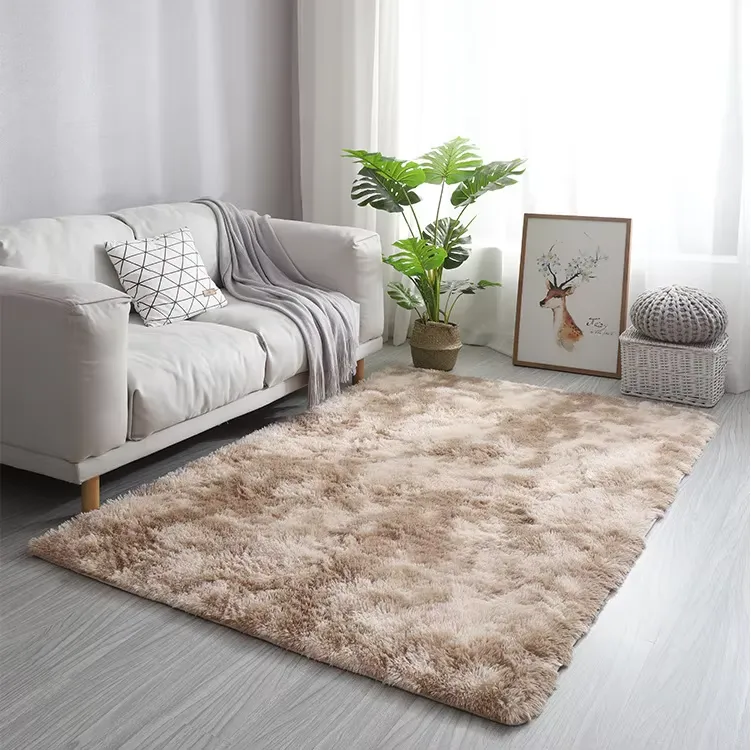
The bebe faux fur accent rug represents a category of decorative floor coverings designed to provide comfort and aesthetic appeal. Positioned within the broader home furnishings industry, these rugs utilize synthetic fibers mimicking animal fur to offer a luxurious feel without the ethical and sustainability concerns associated with genuine fur. Core performance characteristics center around tactile sensation (softness, pile height), visual aesthetics (color, sheen, pattern), and durability against common household wear. A key challenge in this market segment is balancing a perceived premium feel with cost-effective manufacturing and acceptable performance regarding shedding, matting, and cleanability. This technical guide will detail the material science, manufacturing processes, performance metrics, failure modes, and relevant industry standards pertaining to bebe faux fur accent rugs.
Material Science & Manufacturing
The primary material component of a bebe faux fur accent rug is typically a synthetic fiber, most commonly polypropylene (PP) or modacrylic acrylic fibers. Polypropylene is favored due to its low cost, inherent stain resistance, and ability to be manufactured in a wide range of textures and colors. Modacrylic offers superior softness and dyeability, resulting in a more realistic fur-like appearance but at a higher cost. The backing material usually consists of jute, polypropylene, or a combination thereof, often coated with a latex or PVC compound to provide stability and prevent fiber shedding.
Manufacturing commences with the production of the synthetic fibers via melt spinning. Polymer pellets are heated and extruded through spinnerets, forming continuous filaments. These filaments are then crimped to create a bulkier, more textured fiber. The rug construction typically utilizes a tufting process. Individual fiber tufts are inserted into a primary backing material using needles. The density of the tufting significantly influences the rug’s pile height, weight, and overall durability. Following tufting, a secondary backing is applied, usually coated with latex, providing structural integrity. Critical process parameters include fiber denier (fiber thickness), tuft density (tufts per square inch), gauge (distance between needles), and latex coating weight. Precise control of these parameters dictates the rug’s final tactile properties and resistance to deformation. Dyeing can occur before or after tufting, using solution dyeing for enhanced colorfastness or piece dyeing for more complex patterns. Finishing processes may involve shearing to achieve a uniform pile height and brushing to create a softer, more natural feel.
Performance & Engineering
The performance of a bebe faux fur accent rug is assessed through several key engineering parameters. Pile compression resistance is critical, determining how well the rug maintains its loft and softness under foot traffic. This is directly correlated to fiber denier, crimp frequency, and tuft density. Shedding, a common consumer complaint, is influenced by fiber tenacity and the integrity of the tuft lock – the strength of the bond between the fiber tuft and the primary backing. Tensile strength of the backing material is also important to prevent tearing or delamination under stress.
Environmental resistance, specifically moisture resistance, is a concern. Polypropylene inherently possesses low moisture absorption, making it suitable for environments with potential spills. However, the latex backing can be susceptible to moisture damage, leading to mold growth and degradation. Flame retardancy is often addressed through the application of chemical treatments, conforming to flammability standards. Colorfastness to light and washing is evaluated using standardized tests to ensure the rug maintains its aesthetic appearance over time. The rug's overall stability is assessed through dimensional stability tests, verifying minimal shrinkage or distortion after cleaning or exposure to varying temperatures. Force analysis demonstrates that the majority of load is borne by the fiber structure, with the backing providing necessary support and preventing pull-through. The effectiveness of the backing adhesion directly impacts the lifespan and perceived quality of the rug.
Technical Specifications
| Parameter | Polypropylene (Standard) | Modacrylic (Premium) | Jute Backing | Latex Backing |
|---|---|---|---|---|
| Fiber Denier (dtex) | 500-800 | 1000-1500 | N/A | N/A |
| Pile Height (mm) | 20-40 | 30-60 | N/A | N/A |
| Tuft Density (tufts/in²) | 150-250 | 200-300 | N/A | N/A |
| Tensile Strength (backing) (N/5cm) | N/A | N/A | 500-800 | 600-900 |
| Moisture Absorption (%) | <0.1 | <0.5 | 10-15 | <1 |
| Colorfastness to Light (Grade) | 4-5 | 5-6 | N/A | N/A |
Failure Mode & Maintenance
Common failure modes in bebe faux fur accent rugs include fiber shedding, matting (loss of pile loft), and delamination of the backing. Fiber shedding typically arises from inadequate tuft lock strength or abrasion from foot traffic. Matting occurs due to fiber deformation and loss of crimp over time, exacerbated by repeated compression. Delamination results from insufficient adhesion between the tufted primary backing and the latex/PVC secondary backing, often accelerated by moisture exposure. Oxidation of polypropylene fibers, while slow, can lead to brittleness and discoloration upon prolonged exposure to UV radiation. Another failure mode is staining, especially for rugs without adequate stain resistance treatments.
Preventative maintenance includes regular vacuuming to remove loose debris and minimize abrasion. Spot cleaning with a mild detergent solution is recommended for spills, avoiding harsh chemicals that can damage the fibers. Professional cleaning, utilizing low-moisture methods, is advisable for deep cleaning. Avoiding prolonged direct sunlight exposure can mitigate UV-induced degradation. In cases of delamination, adhesive reapplication may offer a temporary fix, but complete replacement is often the most effective long-term solution. Addressing shedding requires gentle brushing and potentially the application of a latex-based rug sealant to reinforce the tuft lock. Avoiding heavy furniture directly on the rug can help prevent excessive compression and matting.
Industry FAQ
Q: What is the difference between polypropylene and modacrylic faux fur, and how does that impact price and performance?
A: Polypropylene is a more economical option offering good stain resistance, but it typically exhibits lower softness and less realistic fur-like texture compared to modacrylic. Modacrylic provides a significantly softer hand feel and superior dyeability, resulting in a more luxurious appearance. This translates to a higher price point. Performance-wise, modacrylic generally demonstrates better resilience and recovery from compression, but polypropylene is more durable against abrasion.
Q: How important is the backing material, and what are the advantages and disadvantages of jute versus latex/PVC?
A: The backing is crucial for structural integrity and preventing shedding. Jute is a natural fiber offering good breathability and environmental friendliness, but it’s susceptible to moisture damage and has lower tensile strength. Latex/PVC provides superior stability, moisture resistance (especially PVC), and adhesion, but it’s less environmentally sustainable.
Q: What testing standards should be considered when sourcing these rugs to ensure quality and safety?
A: Key standards include flammability tests (e.g., California Technical Bulletin 117), wear resistance tests (e.g., ASTM D3886), and colorfastness tests (e.g., ISO 105). VOC emissions should also be assessed to ensure compliance with indoor air quality standards.
Q: How can we minimize shedding in these rugs?
A: Minimizing shedding requires a combination of factors: high tuft density, strong tuft lock adhesion, and quality fiber selection. Regular vacuuming and the use of a rug sealant can also help. The manufacturing process, specifically the quality control of the tufting and backing adhesion, is paramount.
Q: What is the expected lifespan of a typical bebe faux fur accent rug under moderate household use?
A: Under moderate use, a well-constructed bebe faux fur accent rug can be expected to last 3-5 years. Lifespan is heavily influenced by the quality of materials, the tufting density, and the effectiveness of the backing system. Regular maintenance significantly extends its useful life.
Conclusion
Bebe faux fur accent rugs represent a balance between aesthetics, comfort, and cost-effectiveness. Understanding the underlying material science, particularly the properties of polypropylene and modacrylic fibers, is crucial for evaluating performance and durability. The manufacturing process, with its critical parameters of tuft density and backing adhesion, directly impacts the rug’s resistance to shedding, matting, and delamination.
Selecting a rug that meets relevant industry standards (flammability, VOC emissions, wear resistance) and implementing proper maintenance practices are essential for maximizing its lifespan and maintaining its aesthetic appeal. Future advancements may focus on utilizing more sustainable materials, improving tuft lock technology, and developing innovative backing systems to enhance performance and reduce environmental impact.