


beige faux sheepskin rug Material Properties and Performance Analysis
Introduction
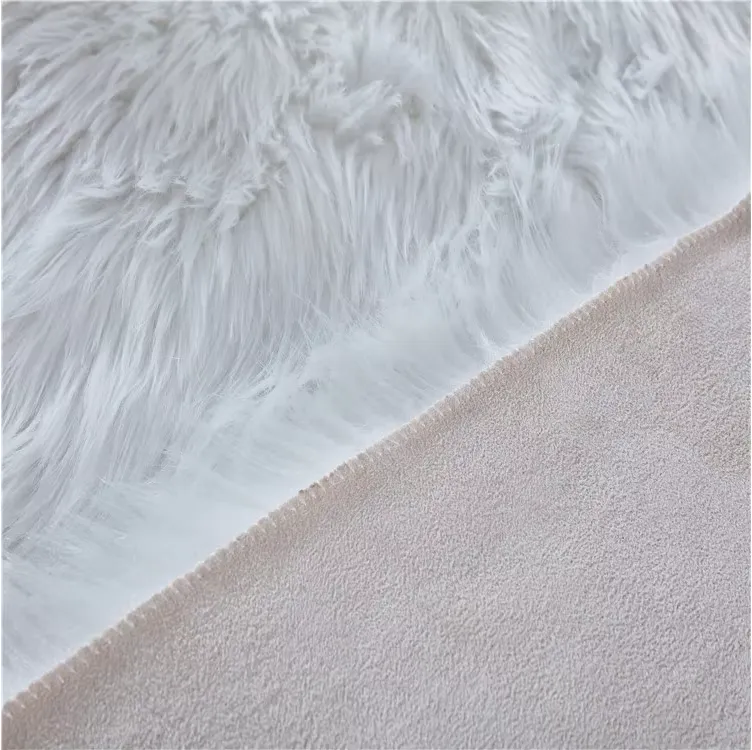
Beige faux sheepskin rugs represent a significant segment within the broader synthetic flooring and textile market, positioned as a cost-effective and ethically sourced alternative to genuine sheepskin. These rugs are typically utilized in residential and light commercial settings, offering aesthetic appeal and perceived comfort. Technically, they are constructed from synthetic fibers – predominantly acrylic and polyester – attached to a backing material, typically jute or polypropylene. Their core performance characteristics center on simulating the tactile qualities of natural sheepskin while offering improved durability and ease of maintenance. The increasing demand for cruelty-free and hypoallergenic alternatives drives market growth. This guide provides an in-depth technical assessment of beige faux sheepskin rug construction, material properties, performance parameters, potential failure modes, and relevant industry standards.
Material Science & Manufacturing
The primary material components of beige faux sheepskin rugs dictate their performance and longevity. Acrylic fibers (typically 60-80% of the pile) are chosen for their wool-like hand feel, bulk, and resistance to sunlight degradation compared to other synthetics. Polyester (20-40%) is often blended to enhance resilience and reduce pilling. The denier of these fibers – a unit of measure for the linear mass of the fiber – typically ranges from 2 to 6, impacting the rug's softness and density. The backing material, typically polypropylene or jute, provides structural integrity. Polypropylene offers superior moisture resistance and durability, while jute is a natural fiber providing a more textured feel but potentially lower lifespan. Manufacturing begins with fiber extrusion, where polymer pellets are melted and forced through spinnerets to form continuous filaments. These filaments undergo crimping to create bulk and texture. The crimped fibers are then tufted into the backing material using specialized tufting machines. Tufting density – measured in stitches per inch (SPI) – is a critical parameter, with higher SPI resulting in a denser, more durable pile. Following tufting, the rug undergoes a shearing process to achieve the desired pile height, typically between 20mm and 50mm. Latex or polyurethane adhesives are used to lock the tufted fibers in place. Quality control focuses on fiber content analysis, pile height consistency, tufting density verification, and adhesive bond strength assessment. Dyeing is conducted prior to tufting, utilizing acrylic dyes formulated for synthetic fibers. Colorfastness to light and washing is crucial, and rigorous testing is employed to ensure dye stability.

Performance & Engineering
The performance of a beige faux sheepskin rug is evaluated based on several key engineering parameters. Pile compression resistance dictates the rug’s ability to maintain its loft and cushioning under sustained weight. This is directly related to fiber denier, crimp frequency, and tufting density. Tensile strength, measured according to ASTM D4967, assesses the resistance of the backing material to tearing and elongation. Dimensional stability – evaluated through washing and drying cycles per ISO 3001 – determines the rug’s ability to retain its shape. Flammability is a critical safety concern. Faux sheepskin rugs are typically treated with fire retardants to meet flammability standards such as California Technical Bulletin 117. The loop pile construction, common in many faux sheepskin rugs, contributes to improved wear resistance and reduced fiber loss compared to cut pile constructions. Static electricity buildup can be a concern with synthetic fibers, particularly in dry climates. Anti-static treatments are often applied to minimize static discharge. The rug’s thermal insulation properties – quantified by its R-value – contribute to comfort and energy efficiency. Slip resistance, assessed using ASTM D2047, is vital for safety, particularly on hard flooring surfaces. The backing material's friction coefficient influences the rug's tendency to slide. Environmental resistance includes resistance to staining from common household spills (water, coffee, wine) and resistance to fading from UV exposure.
Technical Specifications
| Parameter | Unit | Typical Value (Range) | Test Method |
|---|---|---|---|
| Pile Fiber Content | % | Acrylic 60-80%, Polyester 20-40% | ASTM D2385 |
| Pile Height | mm | 20-50 | Visual Inspection / Ruler |
| Tufting Density | SPI (Stitches Per Inch) | 6-12 | Manual Count |
| Backing Material | - | Polypropylene or Jute | Visual Inspection |
| Tensile Strength (Backing) | N/mm | > 20 | ASTM D4967 |
| Colorfastness to Light | Grade (1-5) | > 4 (Grey Scale) | ISO 105-B02 |
| Flammability | - | Passes California TB 117 | California Technical Bulletin 117 |
Failure Mode & Maintenance
Beige faux sheepskin rugs are susceptible to several failure modes. Fiber shedding is a common occurrence, particularly in the initial stages of use. This is due to loose fibers breaking free from the pile. Pilling – the formation of small balls of fiber on the surface – results from fiber abrasion and entanglement. Matting, or crushing of the pile, occurs under sustained pressure, reducing the rug’s cushioning and appearance. Delamination – separation of the pile from the backing – can occur if the adhesive bond fails due to moisture exposure or mechanical stress. Ultraviolet (UV) degradation can cause fading and embrittlement of the fibers, particularly in rugs exposed to direct sunlight. Staining from spills can be difficult to remove, especially if not addressed promptly. Maintenance recommendations include regular vacuuming to remove loose debris and prevent matting. Spot cleaning with a mild detergent and water is recommended for spills. Avoid harsh chemicals and abrasive cleaners, as these can damage the fibers. Professional cleaning is recommended every 12-18 months. To mitigate UV degradation, avoid prolonged direct sunlight exposure or use window coverings. Rotation of the rug can help distribute wear and prevent localized matting. Proper underlayment can improve cushioning and prevent slippage, reducing stress on the backing material.
Industry FAQ
Q: What is the primary difference between acrylic and polyester faux sheepskin, and how does it affect durability?
A: Acrylic provides a softer, more wool-like hand feel and better resistance to sunlight fading. However, polyester generally exhibits superior resilience and resistance to abrasion, leading to potentially better long-term durability, especially in high-traffic areas. A blend of both materials often offers a balanced compromise.
Q: How does the tufting density impact the overall lifespan of the rug?
A: Higher tufting density (more stitches per inch) results in a denser pile, which distributes wear more evenly. This significantly increases the rug’s resistance to matting, shedding, and overall degradation, extending its lifespan. Lower density rugs will show wear patterns much faster.
Q: What are the implications of using a jute backing versus a polypropylene backing?
A: Jute is a natural fiber offering a more textured feel but is susceptible to moisture damage and degradation over time. Polypropylene is fully synthetic, offering excellent moisture resistance and durability, making it a superior choice for rugs in potentially damp environments.
Q: What flammability standards are most relevant for faux sheepskin rugs, and what treatments are commonly used?
A: California Technical Bulletin 117 is a critical flammability standard in the US. Rugs typically undergo treatment with fire retardant chemicals – often halogenated compounds or phosphorus-based treatments – to meet these standards. However, the specific chemicals used are subject to evolving regulations.
Q: How can I prevent excessive shedding in a new faux sheepskin rug?
A: Initial shedding is normal. Frequent vacuuming (at least 2-3 times per week for the first few weeks) will remove loose fibers. Avoid aggressive vacuuming, which can exacerbate shedding. Using a rug pad can also help stabilize the rug and reduce fiber loss.
Conclusion
Beige faux sheepskin rugs represent a compelling value proposition within the floor covering market, offering aesthetic appeal and comfort at a lower cost than genuine sheepskin. The performance characteristics of these rugs are heavily influenced by the selection of materials – specifically the acrylic/polyester fiber blend and the backing material – and the manufacturing parameters, particularly tufting density. Understanding these technical aspects is crucial for procurement professionals and end-users seeking to maximize durability and longevity.
Future developments in faux sheepskin rug technology may focus on utilizing recycled synthetic fibers, enhancing stain resistance through advanced coatings, and developing more sustainable manufacturing processes. Continued adherence to rigorous testing and quality control, along with a thorough understanding of potential failure modes, will be vital to ensuring consistent product performance and consumer satisfaction.