


black faux fur carpet Performance Analysis
Introduction
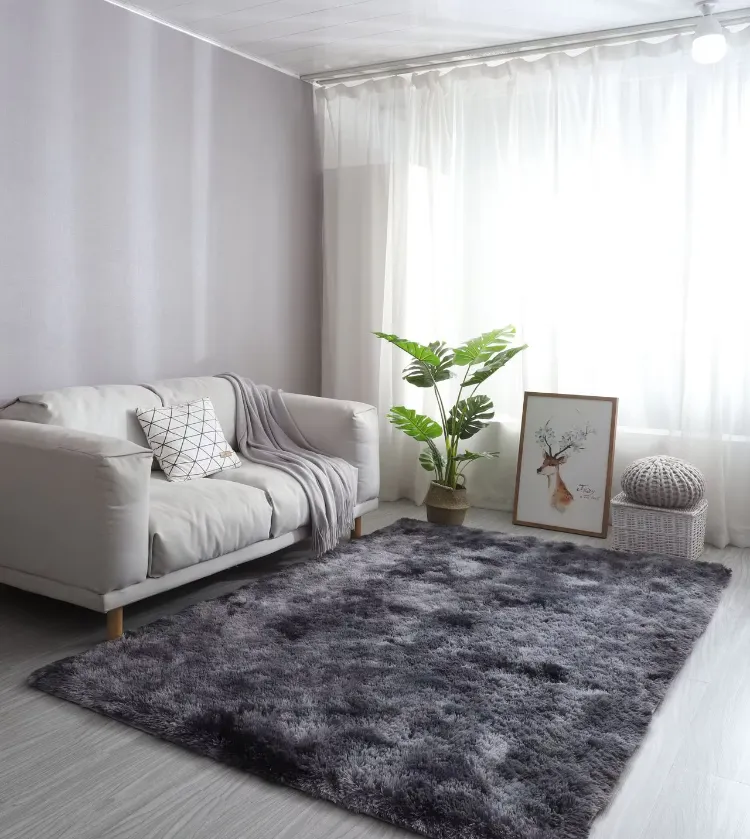
Black faux fur carpet, a synthetic alternative to genuine animal fur, represents a significant segment within the broader floor covering industry. Positioned primarily as a luxury and aesthetic flooring solution, it finds applications in residential, hospitality, and increasingly, commercial spaces desiring a high-end appearance. Technically, it is a pile carpet constructed using synthetic fibers, typically polypropylene or modacrylic, designed to mimic the texture and appearance of natural fur. Core performance characteristics include aesthetic appeal, thermal insulation, sound dampening, and perceived softness. Unlike natural fur, faux fur carpets offer consistent quality, are hypoallergenic, and are significantly more cost-effective. The industry faces challenges in balancing aesthetic desires with sustainability concerns surrounding microplastic shedding and material recyclability.
Material Science & Manufacturing
The primary raw material for black faux fur carpet is typically polypropylene (PP) or modacrylic fiber. Polypropylene is favored due to its low cost, inherent stain resistance, and ability to be easily dyed. Modacrylic offers a softer hand feel and improved flame retardancy but is generally more expensive. The fibers themselves are manufactured through melt spinning, where polymer pellets are heated and extruded through spinnerets to form continuous filaments. These filaments are then crimped to provide bulk and texture. The black coloration is achieved through the addition of carbon black pigment during the polymer extrusion process, ensuring colorfastness throughout the fiber.
Manufacturing involves tufting the fibers into a primary backing material, commonly polypropylene woven or non-woven fabric. Tufting density (stitches per inch) directly impacts carpet durability and pile height. Following tufting, a secondary backing, often jute or synthetic latex foam, is applied to provide additional stability, cushioning, and sound insulation. The pile is then sheared to achieve the desired uniform length and density, creating the characteristic ‘fur’ appearance. Critical parameter control involves maintaining consistent fiber denier (fineness), yarn tension during tufting, and adhesive application during secondary backing adhesion. Improper control can lead to pile shedding, uneven texture, and premature wear. Further processing might include anti-static treatment and application of stain-resistant finishes.
Performance & Engineering
Performance analysis of black faux fur carpet centers on several key engineering considerations. Force analysis focuses on compressive strength (resistance to flattening under furniture) and tensile strength (resistance to tearing or pulling). The pile height and fiber density significantly influence compressive resistance; higher pile and density generally yield better performance. Tensile strength is primarily determined by the fiber type (polypropylene vs. modacrylic) and the backing material’s strength. Environmental resistance includes assessing colorfastness to light exposure (UV degradation) and resistance to moisture and mildew growth. Polypropylene offers inherent moisture resistance, but prolonged exposure to high humidity can still promote mildew.
Compliance requirements vary by region but typically include flammability testing (meeting standards like California Technical Bulletin 117), VOC emission testing (ensuring low levels of volatile organic compounds for indoor air quality), and pile height/density specifications (related to safety and accessibility). The backing materials also require adherence to environmental regulations regarding material sourcing and disposal. Functional implementation often involves specialized underlayment to enhance cushioning and sound absorption. The carpet’s thermal resistance (R-value) contributes to energy efficiency by reducing heat loss. A critical performance consideration is minimizing microplastic shedding during use and cleaning, as these contribute to environmental pollution. Engineering efforts are increasingly focused on developing more durable fibers and backing materials to reduce shedding rates.
Technical Specifications
| Parameter | Polypropylene (Standard Grade) | Modacrylic (Premium Grade) | Units |
|---|---|---|---|
| Pile Height | 25-40 | 30-50 | mm |
| Pile Density | 800-1200 | 1000-1500 | stitches/m² |
| Total Weight | 800-1500 | 1200-2000 | g/m² |
| Fiber Denier | 200-400 | 300-600 | dtex |
| Flammability (Pass/Fail - California TB 117) | Pass | Pass | - |
| VOC Emissions (Formaldehyde) | <0.05 | <0.05 | ppm |
Failure Mode & Maintenance
Black faux fur carpet is susceptible to several failure modes. Fatigue cracking occurs due to repeated compression and flexing, particularly in high-traffic areas, leading to fiber breakage and pile loss. Delamination, or separation of the pile from the backing, results from inadequate adhesive bonding or mechanical stress. Degradation of the fibers, particularly polypropylene, occurs with prolonged UV exposure, causing color fading and embrittlement. Oxidation, triggered by exposure to ozone and other pollutants, can also contribute to fiber weakening. Microplastic shedding is a pervasive issue, resulting from fiber abrasion during use and cleaning.
Maintenance is crucial for extending the carpet's lifespan. Regular vacuuming with a suction-only cleaner (avoiding beater bars that can damage fibers) is essential for removing loose dirt and debris. Spot cleaning with a mild detergent solution is recommended for spills, avoiding harsh chemicals that can discolor the fibers. Professional steam cleaning should be performed annually to deep clean the pile and revitalize the texture. To mitigate microplastic shedding, consider using a HEPA-filter vacuum and reducing the frequency of aggressive cleaning methods. Preventive measures include using area rugs in high-traffic zones and rotating furniture to distribute wear. Addressing delamination typically requires professional re-adhering of the pile to the backing, while severely degraded or damaged sections may necessitate patching or replacement.
Industry FAQ
Q: What is the primary difference in performance between polypropylene and modacrylic faux fur carpet in terms of longevity?
A: Modacrylic fibers generally exhibit superior longevity compared to polypropylene. While polypropylene is cost-effective, modacrylic offers enhanced resistance to UV degradation, oxidation, and abrasion, translating to a slower rate of pile deterioration and color fading over time. However, this increased durability comes at a higher material cost.
Q: How significant is the issue of microplastic shedding from faux fur carpets, and what mitigation strategies are most effective?
A: Microplastic shedding is a significant environmental concern. Faux fur carpets release microfibers during normal use and cleaning. The most effective mitigation strategies include using a vacuum cleaner with a HEPA filter, reducing the frequency of aggressive cleaning (like high-heat steam cleaning), and choosing carpets with denser pile constructions and more durable fiber types.
Q: What specific flammability standards are most relevant for faux fur carpet intended for commercial applications, such as hotels?
A: For commercial applications, particularly in hospitality, compliance with standards like California Technical Bulletin 117 (for flammability) and the NFPA 701 (Standard Methods of Fire Tests for Flame Propagation of Textiles and Films) are critical. These standards assess the carpet’s resistance to ignition and flame spread.
Q: What role does the backing material play in the overall performance and durability of a faux fur carpet?
A: The backing material is integral to the carpet’s performance. It provides dimensional stability, supports the pile, and contributes to cushioning and sound insulation. A robust backing (e.g., woven polypropylene) prevents delamination and maintains pile integrity. The adhesive used to bond the pile to the backing is also crucial; a high-quality adhesive resists degradation and ensures long-term adhesion.
Q: Are there any emerging technologies or materials aimed at improving the sustainability profile of faux fur carpets?
A: Research is ongoing in several areas. This includes developing bio-based polymers as alternatives to traditional polypropylene, exploring closed-loop recycling systems for carpet fibers, and engineering fiber structures that minimize shedding. Some manufacturers are also incorporating recycled content into the backing materials.
Conclusion
Black faux fur carpet represents a complex balance of aesthetic appeal, performance characteristics, and manufacturing considerations. Its performance is heavily influenced by the choice of fiber (polypropylene or modacrylic), the density of the pile, and the integrity of the backing material. While offering a luxurious feel and cost-effective alternative to natural fur, the industry faces growing scrutiny regarding microplastic shedding and the long-term environmental impact of synthetic materials.
Future development will likely focus on enhancing fiber durability, reducing shedding rates through innovative fiber structures, and adopting more sustainable material sourcing and recycling practices. Addressing these challenges is crucial for ensuring the long-term viability and responsible production of black faux fur carpet in a market increasingly focused on environmental responsibility and product lifecycle assessment.