

black faux fur rug 5x7 Technical Performance Analysis
Introduction
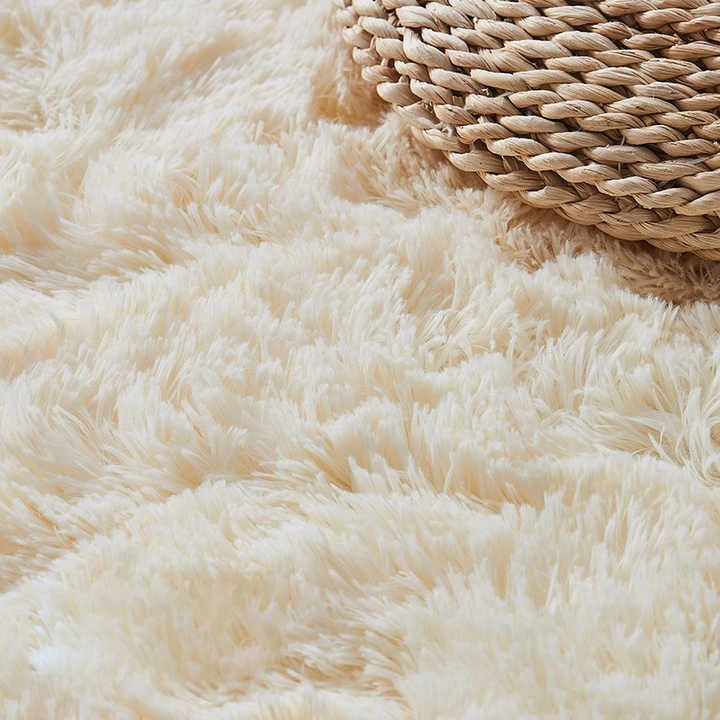
The black faux fur rug 5x7 represents a significant product category within the broader home furnishings industry, specifically addressing the demand for decorative and comfort-focused floor coverings. Positioned as an alternative to genuine fur, these rugs offer aesthetic appeal without ethical concerns or the high cost associated with natural animal products. Technically, the rug’s performance centers on mimicking the tactile properties of real fur – softness, density, and visual depth – while maintaining durability and ease of maintenance. The core performance characteristics revolve around fiber composition, pile height, backing material, and manufacturing techniques used to ensure a consistent and desirable surface texture. This guide will provide an in-depth technical analysis of black faux fur rugs, covering material science, manufacturing processes, performance metrics, potential failure modes, and relevant industry standards. Understanding these elements is critical for procurement managers, quality control engineers, and manufacturers within the textile and home goods sectors.
Material Science & Manufacturing
The primary material constituent of a black faux fur rug 5x7 is typically a synthetic fiber, most commonly polyester or polypropylene. Polyester offers superior dyeability and a softer hand feel, contributing to a more luxurious appearance. Polypropylene, on the other hand, is more resilient to moisture and staining, making it a practical choice for high-traffic areas. The selection impacts both production costs and final product performance. Manufacturing begins with polymer extrusion to create monofilaments, which are then cut into staple fibers of varying lengths. These fibers undergo a crimping process – mechanical or heat-setting – to introduce texture and bulk. The crimp angle and frequency are crucial parameters controlling the final pile density and loft. The fur-like texture is achieved via a tufting or knitting process. Tufting involves inserting the fibers into a primary backing material (typically polypropylene or jute) using needles. Knitting creates interlocked loops, offering potentially higher durability. After tufting or knitting, the rug undergoes shearing to achieve a consistent pile height and remove any loose fibers. A latex or polyurethane foam layer is then applied to the backing to provide cushioning and dimensional stability. Finally, a secondary backing fabric (often felt or canvas) is laminated to the foam layer for enhanced structural integrity and to prevent slippage. Dyeing is typically performed before fiber processing, ensuring uniform color penetration and minimizing dye migration during use. The quality of the dye, its lightfastness, and washfastness are critical considerations. Parameter control during extrusion (denier, filament count), crimping (angle, frequency), and tufting/knitting (stitch density, gauge) are fundamental to achieving desired aesthetics and performance.
Performance & Engineering
The performance of a black faux fur rug 5x7 is assessed through several key engineering parameters. Pile density, measured in ounces per square yard (oz/yd²), dictates the rug’s perceived softness and luxuriousness. Higher density generally correlates with better comfort. Pile height, typically ranging from 0.5 to 2 inches, influences the visual appearance and tactile sensation. Force analysis, specifically compression set testing, determines the rug's ability to recover its original shape after prolonged pressure – a critical factor for maintaining appearance in high-traffic areas. Environmental resistance is crucial. Exposure to ultraviolet (UV) radiation can cause color fading and fiber degradation, necessitating the use of UV-stabilized polymers. Moisture resistance is assessed via water absorption testing, and stain resistance is evaluated using standardized staining protocols (e.g., coffee, wine, oil). Flammability is a significant safety concern, and rugs must comply with relevant fire safety regulations (see Standards & Regulations section). Compliance requirements often specify limits on flame spread and smoke density. The backing material’s tensile strength and tear resistance contribute to the rug’s overall structural integrity. Shear strength testing measures the adhesion between the pile fibers and the backing, a critical determinant of durability. Proper engineering focuses on minimizing fiber shedding and maximizing the rug’s lifespan under typical usage conditions. The rug’s weight contributes to its stability and ability to stay in place, mitigating slip hazards. A heavier rug generally performs better in terms of stability but may be more difficult to move.
Technical Specifications
| Parameter | Polyester Fiber (Standard Grade) | Polypropylene Fiber (Standard Grade) | High-Density Polyester Fiber |
|---|---|---|---|
| Pile Height (inches) | 1.5 | 1.2 | 2.0 |
| Pile Density (oz/yd²) | 800 | 600 | 1200 |
| Fiber Denier | 75 | 150 | 100 |
| Backing Material | Polypropylene | Jute | Polypropylene |
| Tensile Strength (backing - lbs/inch) | 150 | 120 | 180 |
| Water Absorption (%) | 1.0 | 0.5 | 0.8 |
Failure Mode & Maintenance
Black faux fur rugs 5x7 are susceptible to several failure modes. Fiber shedding is a common issue, particularly during initial use, resulting from loose fibers not fully secured during manufacturing. Pile crushing occurs under sustained pressure, reducing the rug’s loft and softness. This is exacerbated by low pile density and inadequate backing support. Color fading is a concern with prolonged UV exposure, especially with lower-quality dyes. Delamination – the separation of the pile from the backing – is a critical failure mode, often caused by insufficient adhesive strength or mechanical stress. Oxidation of the polymer fibers can lead to brittleness and cracking, particularly in polypropylene rugs exposed to heat and light. Staining, while often superficial, can permanently alter the rug’s appearance if not addressed promptly. Maintenance should include regular vacuuming to remove loose debris and prevent matting. Spot cleaning with a mild detergent is recommended for spills. Avoid harsh chemicals and abrasive cleaners. For deeper cleaning, professional rug cleaning services are advised. Periodically rotating the rug can help distribute wear and prevent localized crushing. Proper storage in a dry, well-ventilated area is essential to prevent mold and mildew growth. To mitigate delamination, avoid excessive stretching or pulling of the rug. Promptly address any signs of damage to prevent further deterioration. Replacing the rug may be necessary if delamination is extensive or if the fibers are severely degraded.
Industry FAQ
Q: What is the primary difference between polyester and polypropylene faux fur in terms of durability?
A: Polypropylene generally exhibits higher resilience and is less prone to crushing than polyester. However, polyester offers superior dyeability and a softer hand feel, making it preferred for applications where aesthetics are paramount. Polypropylene is more resistant to staining and moisture damage, making it a more practical choice for high-traffic areas or homes with pets and children.
Q: How can I assess the quality of the backing material?
A: Evaluate the backing’s tensile strength and tear resistance. A high-quality backing should resist ripping and maintain its integrity under stress. The backing material should also be securely bonded to the pile fibers and the foam layer. Look for a backing material with a tight weave and a consistent thickness.
Q: What is the significance of pile density in determining rug performance?
A: Pile density directly influences the rug’s softness, comfort, and perceived value. Higher pile density generally indicates a more luxurious and durable rug. It also contributes to better sound absorption and thermal insulation. However, extremely high pile density can make cleaning more challenging.
Q: How can I prevent color fading due to UV exposure?
A: Choose rugs made with UV-stabilized fibers. Minimize direct sunlight exposure by placing the rug in a shaded area or using curtains or blinds. Regular cleaning can also help remove surface contaminants that accelerate fading. Consider using a UV protectant spray specifically designed for synthetic fibers.
Q: What are the critical fire safety standards that faux fur rugs should meet?
A: Faux fur rugs should comply with relevant fire safety regulations, such as California Proposition 65 and federal flammability standards (16 CFR Part 1610). These standards specify limits on flame spread and smoke density. Look for rugs that have been tested and certified by an independent testing laboratory.
Conclusion
The black faux fur rug 5x7, despite its decorative function, is a complex engineered product whose performance is dictated by a nuanced interplay of material science, manufacturing processes, and adherence to stringent quality control. The selection of fiber type (polyester or polypropylene) fundamentally influences the rug’s durability, aesthetic qualities, and resistance to environmental factors. Achieving optimal performance requires precise control over parameters throughout the manufacturing process, from fiber extrusion and crimping to tufting/knitting and backing application.
Moving forward, innovations in fiber technology and sustainable manufacturing practices will likely play an increasing role in the evolution of faux fur rugs. The development of bio-based polymers and recycled fiber content could reduce the environmental impact of these products. Further research into advanced tufting and knitting techniques may lead to even more durable and luxurious faux fur rugs that closely mimic the feel and appearance of genuine fur, without compromising ethical considerations. Proper maintenance and understanding of potential failure modes are crucial for maximizing the lifespan and aesthetic appeal of these products.