


black faux hide rug Performance Analysis

Introduction
Black faux hide rugs represent a synthetic alternative to genuine animal hide rugs, commonly utilized in both residential and commercial interior design. Positioned within the broader flooring and textile industry, these rugs offer aesthetic appeal at a lower cost point, devoid of the ethical concerns associated with animal products. Their core performance characteristics revolve around replicating the visual texture of animal hide, providing a degree of comfort underfoot, and demonstrating resilience to moderate foot traffic. The material composition typically consists of a polyester or acrylic pile adhered to a durable backing material, often jute or polypropylene. Understanding the nuanced interplay between material selection, manufacturing processes, and performance metrics is critical for both procurement and quality control within the industry. Current market demands prioritize durability, stain resistance, and a realistic aesthetic, driving innovation in fiber technology and backing construction.
Material Science & Manufacturing
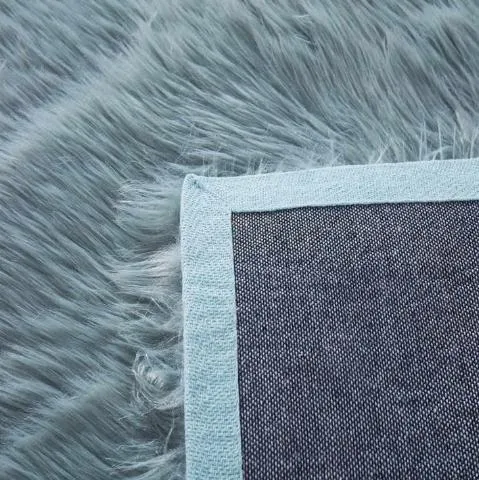
The primary material component of black faux hide rugs is synthetic fiber, predominantly polyester or acrylic. Polyester offers superior abrasion resistance and inherent stain resistance due to its hydrophobic nature. Acrylic, while softer to the touch, is generally less durable and more susceptible to pilling. The denier of the fiber, ranging typically from 300 to 800, influences the rug’s pile height and overall texture. Manufacturing begins with the extrusion of polymer pellets into fibers. These fibers are then heat-set to create a crimped texture, mimicking the natural irregularities of animal hide. The backing material, commonly polypropylene or jute, provides structural integrity. Jute, a natural fiber, offers breathability and is biodegradable, but is susceptible to moisture damage. Polypropylene provides enhanced moisture resistance. The rugs are typically tufted, where the fibers are mechanically inserted into the backing, followed by a coating of latex adhesive to secure the pile. Shearing and carving processes are employed to achieve the characteristic hide pattern. Key parameter control during manufacturing includes consistent fiber density (pile weight in grams per square meter), adhesive application rate, and accurate pattern replication. Colorfastness is achieved through the use of solution-dyed fibers, ensuring resistance to fading from UV exposure and cleaning agents. The manufacturing process adheres to standards for VOC emissions to minimize off-gassing and environmental impact.
Performance & Engineering
The performance of black faux hide rugs is heavily influenced by their resistance to wear, tear, and environmental factors. Force analysis reveals that the primary stresses experienced are compressive (from foot traffic) and tensile (during handling and cleaning). Pile height and fiber density directly correlate to durability; higher pile and density provide greater resilience to compression. The backing material’s tensile strength determines its ability to withstand pulling forces. Environmental resistance is critical, particularly concerning UV stability, moisture resistance, and temperature fluctuations. Polyester demonstrates superior UV resistance compared to acrylic. Moisture can lead to mold and mildew growth in jute-backed rugs, necessitating proper ventilation and immediate drying of spills. Flame retardancy is a significant engineering consideration, often achieved through the application of chemical treatments, adhering to flammability standards. Compliance requirements vary by region, with regulations governing VOC emissions, formaldehyde content, and heavy metal concentration. The rug’s dimensional stability, its resistance to shrinking or stretching, is crucial for maintaining its aesthetic appearance and preventing tripping hazards. This is particularly important in high-traffic areas and humid environments. Consideration should also be given to the rug’s impact on indoor air quality and its suitability for individuals with allergies or sensitivities.
Technical Specifications
| Parameter | Polyester Faux Hide | Acrylic Faux Hide | Jute-Backed |
|---|---|---|---|
| Fiber Material | 100% Polyester | 100% Acrylic | N/A |
| Pile Height (mm) | 25-35 | 20-30 | N/A |
| Pile Weight (g/m²) | 1200-1800 | 800-1500 | N/A |
| Backing Material | Polypropylene | Polypropylene | Jute |
| Tensile Strength (N/mm²) | 30-40 | 20-30 | 15-25 |
| UV Resistance (Rating 1-5, 5=Excellent) | 4-5 | 2-3 | N/A |
Failure Mode & Maintenance
Common failure modes in black faux hide rugs include pile crushing, fiber shedding, delamination of the pile from the backing, and color fading. Pile crushing occurs under sustained compressive stress, particularly in high-traffic areas. Fiber shedding is often a result of low fiber quality or improper tufting techniques. Delamination arises from inadequate adhesive application or degradation of the adhesive over time, exacerbated by moisture exposure. Color fading is primarily caused by prolonged UV exposure. Oxidation of the fibers can also contribute to discoloration. Maintenance is crucial for extending the rug’s lifespan. Regular vacuuming (avoiding beater bars that can damage the fibers) removes abrasive particles that contribute to wear. Spot cleaning with a mild detergent and water is recommended for spills, followed by thorough drying. Professional cleaning is advisable every 12-18 months. To mitigate delamination, avoid excessive moisture and ensure adequate ventilation. For UV protection, consider rotating the rug periodically or using window coverings to minimize direct sunlight exposure. Repairing minor delamination can sometimes be achieved with a rug adhesive, but significant damage typically necessitates replacement. Preventative measures, such as the use of rug pads, can reduce wear and tear and improve overall stability.
Industry FAQ
Q: What is the primary difference between polyester and acrylic faux hide rugs in terms of durability?
A: Polyester generally offers significantly higher abrasion resistance and tensile strength compared to acrylic. This translates to a longer lifespan, particularly in high-traffic areas. Acrylic is softer but more prone to pilling and fiber breakdown under stress. Polyester also holds its shape better over time.
Q: How does the backing material impact the rug’s performance in humid environments?
A: Jute backing, being a natural fiber, is susceptible to moisture absorption, which can lead to mold and mildew growth, structural weakening, and unpleasant odors. Polypropylene backing is hydrophobic and provides superior moisture resistance, making it a more suitable choice for humid environments.
Q: What VOC emission standards should be considered when procuring faux hide rugs?
A: Look for rugs certified to meet CARB Phase 2 or GREENGUARD Gold standards. These certifications ensure that the rug meets stringent limits for volatile organic compound (VOC) emissions, contributing to improved indoor air quality.
Q: What is the recommended cleaning protocol to prevent color fading and maintain the rug’s appearance?
A: Vacuum regularly with a suction-only vacuum. Spot clean spills immediately with a mild detergent and water, blotting gently rather than rubbing. Avoid harsh chemicals or abrasive cleaners. Rotate the rug periodically to ensure even exposure to light. Professional cleaning is recommended every 12-18 months.
Q: What is the typical lifespan of a high-quality black faux hide rug with moderate foot traffic?
A: A well-constructed polyester faux hide rug with a polypropylene backing, receiving regular maintenance, can typically last 5-7 years with moderate foot traffic. Acrylic options, or those with jute backing, may have a lifespan of 3-5 years under similar conditions.
Conclusion
Black faux hide rugs represent a viable and cost-effective alternative to genuine animal hides, offering aesthetic versatility and reduced ethical concerns. The performance of these rugs is fundamentally dictated by the interplay between fiber selection – polyester generally outperforming acrylic in durability – and backing material, with polypropylene providing superior moisture resistance compared to jute. Understanding the potential failure modes, such as pile crushing, delamination, and color fading, is crucial for proactive maintenance and maximizing product lifespan.
The industry’s continued focus on material innovation, including the development of more sustainable and durable synthetic fibers, alongside stringent adherence to environmental regulations regarding VOC emissions, will further enhance the performance and appeal of black faux hide rugs. Procurement decisions should prioritize rugs certified to recognized standards, ensuring both product quality and responsible manufacturing practices.