

black fur throw rug Performance Analysis
Introduction
Black fur throw rugs represent a significant segment of the decorative textile market, functioning as both aesthetic enhancements and thermal comfort provisions within residential and commercial spaces. Technically categorized as pile fabrics with a synthetic or natural fur emulation, these rugs are positioned within the broader flooring and home textiles supply chain. Core performance characteristics center around pile density, fiber composition, backing material durability, and colorfastness. Their prevalence arises from a confluence of affordability, ease of maintenance, and visual appeal, serving a diverse consumer base. However, achieving consistent quality, addressing flammability concerns, and mitigating shedding are critical industry challenges. The market demands durable, visually consistent products that meet increasingly stringent safety and environmental standards.
Material Science & Manufacturing
The construction of black fur throw rugs typically involves a multi-stage process beginning with raw material selection. The ‘fur’ component is predominantly crafted from synthetic fibers – primarily polyester (polyethylene terephthalate) and polypropylene – owing to their cost-effectiveness, resilience, and ease of dyeing to achieve the desired black coloration. Polyester offers superior softness and dye uptake, while polypropylene exhibits higher stain resistance. The base or backing material is commonly composed of jute, felt, or synthetic latex. Jute provides a natural fiber base, offering breathability but lower durability. Felt, often recycled polyester or wool felt, provides cushioning. Synthetic latex is employed for improved dimensional stability and grip.
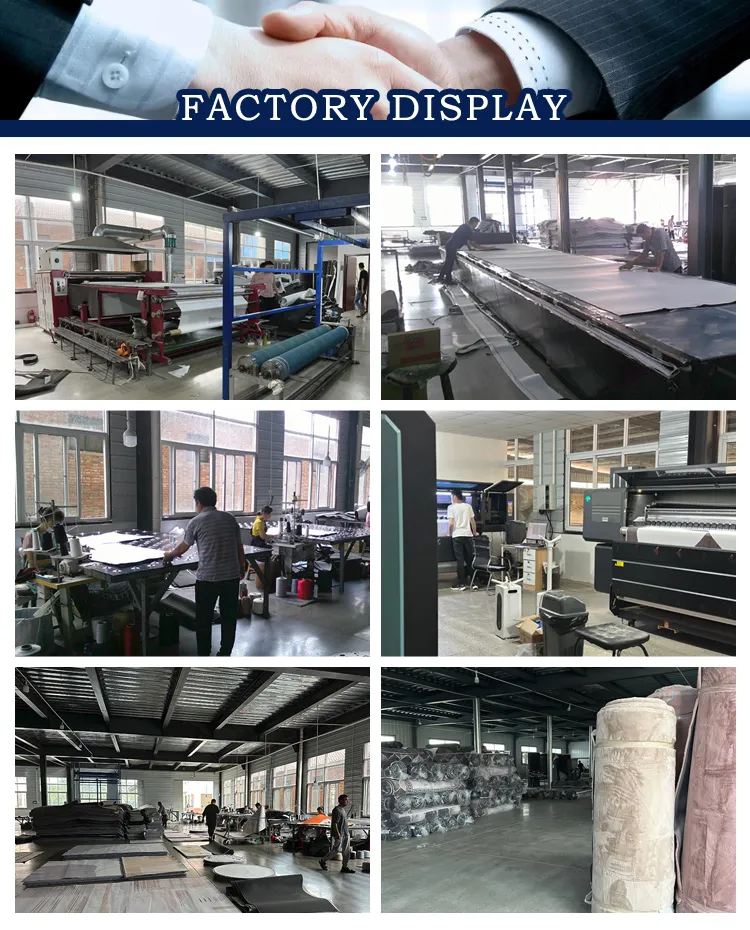
Manufacturing commonly begins with fiber extrusion. Polymer pellets are melted and forced through spinnerets to create continuous filaments. These filaments are then crimped to provide bulk and texture, mimicking natural fur. The crimped fibers are subsequently dyed using disperse dyes (for polyester) or pigment printing (for polypropylene) to ensure colorfastness. The dyeing process requires precise control of temperature, pH, and dye concentration to achieve uniform black saturation. Following dyeing, the fibers are tufted or woven into a backing material. Tufting involves inserting loops of fiber into the backing using needles, while weaving interlaces the fibers to create a more robust structure. Shearing and brushing processes refine the pile height and create the characteristic fur-like texture. Finally, a secondary backing may be applied for added durability and to prevent slippage. Parameter control throughout the manufacturing process, including fiber denier, pile density, and backing adhesion, is paramount to ensuring product performance and longevity.
Performance & Engineering
The performance of a black fur throw rug is governed by several key engineering principles. Pile density, measured in ounces per square yard (oz/yd²), dictates the rug's softness, perceived luxury, and ability to retain heat. Higher pile densities generally correlate with increased comfort but also greater weight and potential for shedding. Fiber tensile strength is critical for resisting abrasion and maintaining structural integrity under foot traffic. Polypropylene fibers generally exhibit lower tensile strength than polyester, requiring a higher pile density to compensate. The backing material's tensile strength and elongation properties determine the rug’s resistance to stretching and deformation.
Environmental resistance is another vital consideration. Exposure to sunlight can cause ultraviolet (UV) degradation of the fibers, leading to fading and embrittlement. UV stabilizers are commonly added to the polymer during extrusion to mitigate this effect. Moisture resistance is crucial to prevent mold and mildew growth. Polypropylene is inherently hydrophobic, while polyester requires treatment with water-repellent finishes. Flammability is a significant safety concern, addressed through the use of flame-retardant treatments. These treatments, typically based on phosphorus or halogen compounds, reduce the rug’s ignitability and flame spread rate. Compliance with fire safety standards (discussed in Section 7) is mandatory for commercial applications. Force analysis during manufacturing and use helps predict wear and tear, optimizing material choices and construction methods for extended product lifespan.
Technical Specifications
| Parameter | Unit | Polyester Fiber Rug | Polypropylene Fiber Rug |
|---|---|---|---|
| Pile Height | mm | 25-50 | 20-40 |
| Pile Density | oz/yd² | 800-1200 | 600-1000 |
| Fiber Denier | dtex | 75-150 | 100-200 |
| Backing Material | - | Jute/Felt/Latex | Jute/Felt/Latex |
| Tensile Strength (Fiber) | MPa | 60-80 | 40-60 |
| Colorfastness (Light) | Grade (1-5) | 4-5 | 3-4 |
Failure Mode & Maintenance
Black fur throw rugs are susceptible to several failure modes. Shedding, the release of loose fibers, is a common issue, particularly in the initial stages of use. This is primarily attributed to the inherent looseness of cut pile fibers and insufficient fiber anchoring during manufacturing. Fatigue cracking of the backing material can occur under sustained mechanical stress, leading to delamination and structural failure. This is exacerbated by exposure to moisture and temperature fluctuations. Color fading, particularly in areas exposed to direct sunlight, results from UV degradation of the dye molecules. Oxidation of the fibers can lead to embrittlement and reduced flexibility over time. Matting, a flattening of the pile, occurs due to prolonged compression and foot traffic.
Preventative maintenance is crucial for extending the rug’s lifespan. Regular vacuuming (using a suction-only attachment to avoid damaging the fibers) removes loose debris and minimizes shedding. Promptly addressing spills prevents staining and potential fiber degradation. Rotating the rug periodically distributes wear evenly. Professional cleaning, typically involving dry cleaning or steam cleaning, can restore pile loft and remove embedded dirt. Avoid harsh chemicals or abrasive cleaners, as these can damage the fibers and backing. For rugs exposed to direct sunlight, consider using curtains or blinds to reduce UV exposure. Inspecting the backing periodically for signs of cracking or delamination allows for timely repairs, preventing catastrophic failure.
Industry FAQ
Q: What is the primary difference in performance between polyester and polypropylene fur throw rugs regarding stain resistance?
A: Polypropylene inherently possesses superior stain resistance compared to polyester. Its hydrophobic nature prevents most water-based liquids from penetrating the fiber, simplifying cleanup. Polyester, while offering a softer feel, is more susceptible to staining, particularly from oil-based substances, and often requires specialized stain removers.
Q: How does the backing material affect the overall durability and longevity of the rug?
A: The backing material significantly impacts durability. Jute provides breathability but is prone to degradation and wear. Felt offers cushioning but may compress over time. Synthetic latex provides the highest level of dimensional stability and grip, resisting stretching and delamination, thus contributing to a longer service life.
Q: What are the key considerations regarding flammability and fire safety standards for black fur throw rugs used in commercial settings?
A: Commercial applications necessitate adherence to stringent fire safety standards, such as those outlined by NFPA 701 in the US and EN 13501-1 in Europe. Flame-retardant treatments are essential to reduce ignitability and flame spread. Rugs should be tested and certified to demonstrate compliance with the relevant standards, often requiring periodic re-testing.
Q: How can shedding be minimized in a black fur throw rug?
A: Shedding is inherent to cut pile fabrics, but can be minimized through several methods. High-quality fiber selection, secure fiber anchoring during tufting or weaving, and a thorough brushing process to remove loose fibers all contribute to reduced shedding. Regular vacuuming also helps remove dislodged fibers.
Q: What is the impact of UV exposure on the color and integrity of the black fur fibers?
A: Prolonged exposure to UV radiation can cause fading of the black dye and degradation of the polymer chains, leading to embrittlement and reduced flexibility. UV stabilizers added during fiber extrusion can mitigate this effect, but minimizing direct sunlight exposure through the use of curtains or blinds is still recommended.
Conclusion
Black fur throw rugs, while aesthetically appealing and cost-effective, present a complex interplay of material science, manufacturing techniques, and performance considerations. The selection of appropriate fiber type (polyester or polypropylene), backing material, and the implementation of quality control measures throughout the production process are crucial for achieving durable, safe, and visually consistent products. Understanding the inherent failure modes – shedding, fatigue cracking, and UV degradation – and implementing preventative maintenance strategies are equally important for maximizing product lifespan and customer satisfaction.
Future advancements in textile technology will likely focus on developing more sustainable fiber sources, improving flame retardancy without harmful chemicals, and enhancing stain resistance through innovative surface treatments. Continued research into fiber morphology and tufting/weaving techniques will further optimize pile density and fiber anchoring, minimizing shedding and maximizing the overall performance of these ubiquitous home décor items. The demand for eco-friendly and high-performance black fur throw rugs will continue to drive innovation within the industry.