

blush pink faux sheepskin rug Material Science and Performance Analysis
Introduction
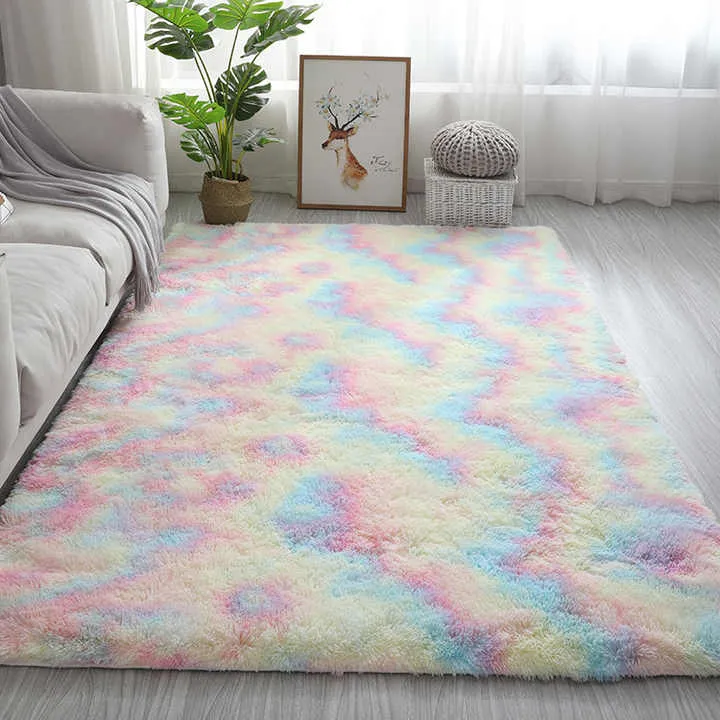
Blush pink faux sheepskin rugs represent a synthetic alternative to traditional sheepskin, predominantly constructed from acrylic, modacrylic, or polyester fibers. Their positioning within the home furnishings supply chain occurs in the finishing goods stage, bridging textile manufacturing and interior design. The core performance characteristics revolve around aesthetic appeal, tactile comfort, and thermal insulation, albeit at a lower magnitude than genuine sheepskin. These rugs are designed to mimic the luxurious feel and appearance of sheepskin without the ethical concerns and higher price point, making them a prevalent choice for bedrooms, living rooms, and children’s spaces. A primary industry challenge centers on balancing realistic texture simulation with durable construction, addressing concerns regarding shedding, matting, and colorfastness.
Material Science & Manufacturing
The foundation of blush pink faux sheepskin lies in the selection of synthetic fibers. Acrylic fibers, favored for their wool-like texture and cost-effectiveness, possess a molecular structure comprised of acrylonitrile monomers. Modacrylic fibers, incorporating modacrylic monomers, offer enhanced flame retardancy and softness. Polyester, a thermoplastic polymer, provides durability and resistance to abrasion. Coloration is achieved through solution dyeing or piece dyeing using azo-free pigments to ensure color stability and environmental compliance. The manufacturing process begins with fiber production – polymerization followed by extrusion and fiber formation. These fibers are then knitted or woven into a base fabric. The crucial step involves ‘flocking’ or attaching the fibers to this base, creating the sheepskin-like pile. This is often achieved using electrostatic flocking, where fibers are electrically charged and attracted to an adhesive-coated substrate. Pile height and density control are critical parameters. Density directly correlates with the perceived luxury and durability. Post-flocking, the rug undergoes brushing and shearing to achieve the desired aesthetic and uniform pile direction. Backing materials, typically jute or non-woven polypropylene, provide structural support and prevent slippage. Parameter control during fiber extrusion – specifically denier, crimp frequency, and tenacity – dictates the final product's texture and resilience. Chemical compatibility of dyes and adhesives with the chosen fibers is paramount to prevent discoloration or pile detachment.

Performance & Engineering
Performance evaluation of blush pink faux sheepskin centers on assessing its physical and mechanical properties under simulated use conditions. Compressive force analysis determines the rug’s ability to retain its shape and cushioning under sustained weight. The pile's resilience, measured by its recovery after compression, directly impacts long-term comfort and aesthetic appearance. Environmental resistance is a key concern, particularly regarding UV exposure and temperature fluctuations. Prolonged UV exposure can cause color fading and fiber degradation. Thermal cycling tests evaluate the rug’s dimensional stability and resistance to cracking in varying temperature ranges. Compliance requirements include flammability testing (meeting standards like California Proposition 65 regarding harmful chemicals) and adherence to VOC emission limits (Volatile Organic Compounds) as set by organizations like CARB (California Air Resources Board). The backing material's tensile strength and tear resistance dictate the overall structural integrity of the rug, preventing delamination. Friction testing assesses the slip resistance, crucial for safety, especially in high-traffic areas. Static electricity build-up is another engineering consideration; antistatic treatments are often applied to minimize static cling. The engineering design of the backing also contributes to the rug's ability to withstand repeated vacuuming and cleaning without significant fiber loss.
Technical Specifications
| Parameter | Unit | Typical Value (Acrylic) | Typical Value (Polyester) |
|---|---|---|---|
| Pile Height | mm | 20-30 | 15-25 |
| Pile Weight | g/m² | 350-500 | 250-400 |
| Fiber Denier | dtex | 2-3 | 1.5-2 |
| Tensile Strength (Backing) | N/cm | 15-20 | 12-18 |
| Colorfastness to Light | Grade (1-5) | 4-5 | 3-4 |
| Flammability (Ignition Delay) | seconds | >5 | >3 |
Failure Mode & Maintenance
Failure modes in blush pink faux sheepskin rugs commonly manifest as pile shedding, matting, color fading, and delamination of the backing. Shedding arises from the inherent loose fiber structure and abrasion during use. Matting occurs as fibers become compressed and tangled, reducing the rug’s plushness. Color fading is primarily caused by UV exposure, leading to pigment degradation. Delamination results from adhesive failure between the pile and the backing, often exacerbated by repeated cleaning or moisture exposure. Oxidation of the fibers, particularly acrylic, can lead to brittleness and cracking over extended periods. Maintenance protocols are crucial for extending lifespan. Regular vacuuming with a suction-only nozzle (avoiding beater bars) removes loose debris and minimizes fiber damage. Spot cleaning with a mild detergent and water is recommended for spills; harsh chemicals can damage the fibers. Professional cleaning is advised for deep cleaning, utilizing dry cleaning methods to avoid excessive moisture. Avoiding direct sunlight exposure minimizes color fading. Rotation of the rug distributes wear evenly, preventing localized matting. To address delamination, re-adhering the pile with a suitable rug adhesive may offer a temporary solution, but complete restoration is often difficult. Preventing excessive moisture exposure and prompt cleaning of spills are crucial preventative measures against adhesive degradation.
Industry FAQ
Q: What is the primary difference in durability between acrylic and polyester faux sheepskin rugs?
A: Polyester generally exhibits superior abrasion resistance and resilience compared to acrylic. While acrylic offers a softer, more authentic wool-like feel, polyester is less prone to matting and retains its shape longer under foot traffic. Polyester also tends to have better colorfastness.
Q: How does the backing material impact the overall performance of the rug?
A: The backing provides structural integrity and prevents slippage. Jute backing is more eco-friendly but less durable and susceptible to moisture damage. Non-woven polypropylene backing offers better moisture resistance and tear strength, contributing to a longer lifespan, but is a synthetic material.
Q: Are there any health concerns associated with the chemicals used in faux sheepskin rug manufacturing?
A: Historically, some faux sheepskin rugs contained formaldehyde. Modern manufacturing processes prioritize the use of azo-free dyes and low-VOC adhesives to minimize health risks. Compliance with standards like California Proposition 65 ensures the absence of harmful chemicals above permissible limits.
Q: What is the recommended cleaning procedure to prevent pile shedding?
A: Gentle vacuuming with a suction-only nozzle is crucial. Avoid using beater bars, as they contribute to fiber breakage and shedding. Spot cleaning with a mild detergent and water, followed by blotting, is recommended. Avoid aggressive rubbing.
Q: How can I improve the lifespan of a blush pink faux sheepskin rug placed in a high-traffic area?
A: Regular rotation of the rug distributes wear evenly. Use rug pads to provide cushioning and prevent slippage, reducing abrasion. Avoid direct sunlight exposure to minimize color fading. Promptly address spills to prevent staining and adhesive degradation. Consider using area rugs over high-traffic zones to protect the faux sheepskin rug.
Conclusion
Blush pink faux sheepskin rugs represent a compelling balance between aesthetics, affordability, and ethical considerations. Their performance is fundamentally dictated by the choice of synthetic fibers, the precision of the flocking process, and the quality of the backing material. Understanding the inherent failure modes – shedding, matting, and delamination – is critical for informed maintenance and longevity.
Future advancements in fiber technology, such as the development of bio-based synthetic alternatives and improved adhesive formulations, hold the potential to enhance the durability and sustainability of these rugs. Continued research into pile construction techniques aimed at minimizing shedding and maximizing resilience will further elevate their performance characteristics and solidify their position within the home furnishings market.