


brown and white faux fur rug Performance Analysis
Introduction
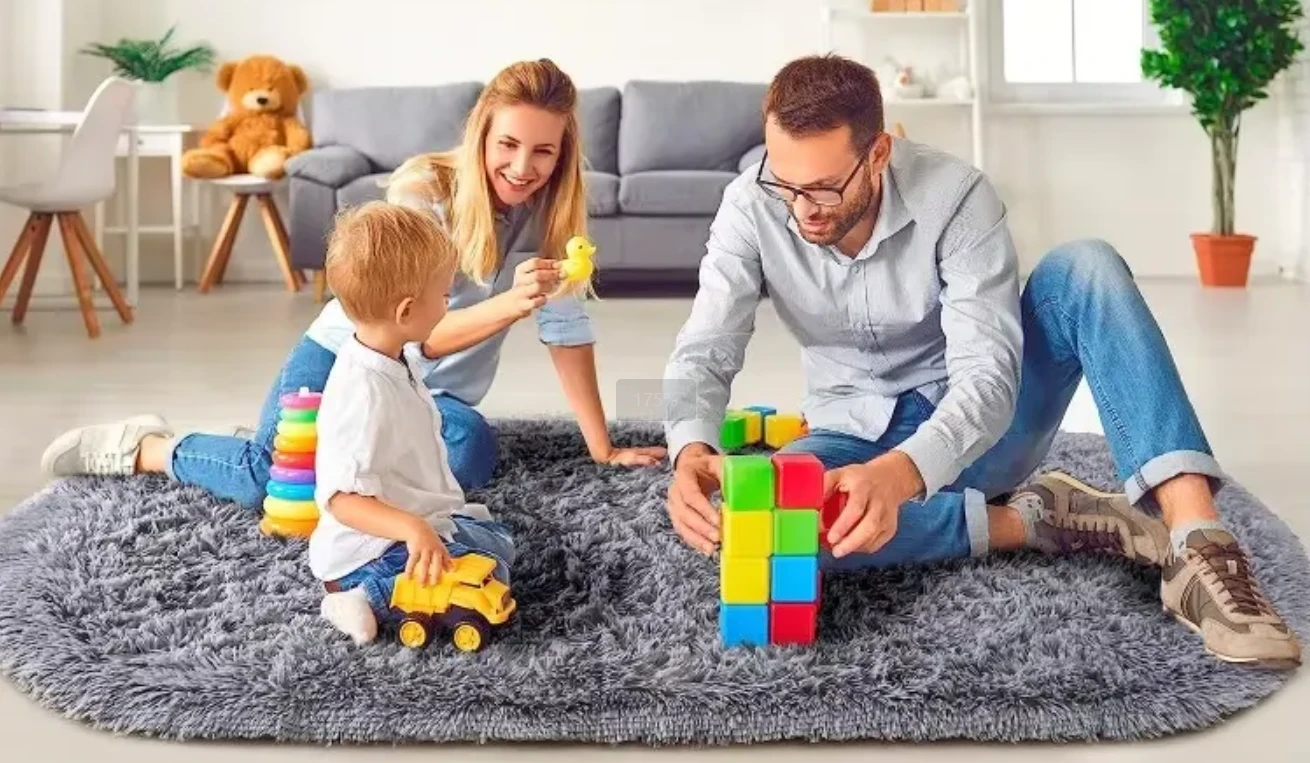
Brown and white faux fur rugs represent a significant segment within the broader decorative textile industry, functioning as floor coverings designed to provide comfort, aesthetic enhancement, and thermal insulation. Positioned between high-end natural fur rugs and lower-cost, functional floor mats, these rugs utilize synthetic fibers engineered to mimic the look and feel of animal fur. Their core performance characteristics center around durability, ease of cleaning, hypoallergenic properties (relative to natural fur), and aesthetic versatility. The production process relies heavily on textile engineering, polymer science, and coloration techniques to achieve realistic textures and desirable color palettes. The market demand is driven by ethical consumerism – the desire for aesthetically pleasing animal-like products without animal harm – and cost-effectiveness.
Material Science & Manufacturing
The primary raw material for brown and white faux fur rugs is typically a synthetic polymer, most commonly polypropylene (PP) or polyester (PET). Polypropylene is favored for its cost-effectiveness, inherent stain resistance, and ability to be easily extruded into fine fibers. Polyester, while slightly more expensive, offers superior resilience, color retention, and a softer hand feel. The manufacturing process begins with polymer production, followed by fiber extrusion. Extrusion involves melting the polymer and forcing it through spinnerets – small nozzles – to create continuous filaments. These filaments are then crimped, cut to the desired length (typically 1-3 inches for rug applications), and heat-set to retain their texture. The coloration process is critical, utilizing either solution dyeing (adding pigment to the polymer melt before extrusion) or piece dyeing (dyeing the finished fiber). Solution dyeing provides superior colorfastness and UV resistance. The fibers are then attached to a backing material, commonly jute or polypropylene webbing, using a tufting or weaving process. Tufting involves inserting fibers through the backing, followed by latex adhesion, while weaving interlocks the fibers directly with the backing. Finally, the rug undergoes a finishing process, including shearing to achieve the desired pile height and density, and quality control inspection. Parameter control during extrusion (temperature, spinneret size, filament draw ratio) profoundly affects fiber fineness, crimp, and overall texture. Dye bath temperature and concentration are crucial for achieving uniform coloration and preventing dye migration.
Performance & Engineering
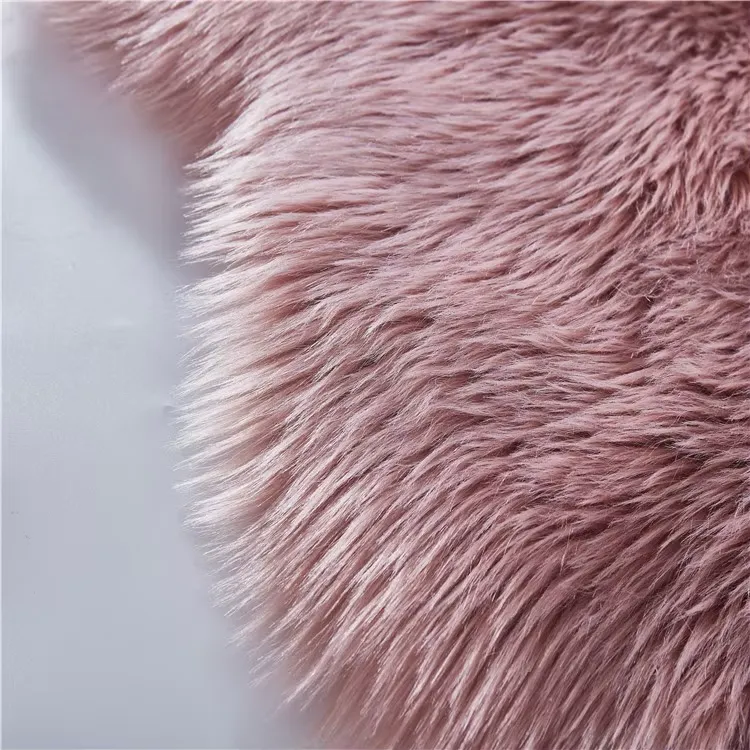
The performance of a brown and white faux fur rug is evaluated across several key engineering parameters. Pile weight (grams per square meter, GSM) directly correlates to the rug's density and perceived luxury; higher GSM generally equates to a plusher feel and increased durability. Pile height (the length of the fibers) influences the aesthetic appearance and underfoot comfort. Tensile strength of the fibers, measured in Newtons (N), determines the rug’s resistance to tearing and abrasion. Colorfastness to light (rated on a scale of 1-8, with 8 being excellent) assesses the rug’s ability to resist fading when exposed to sunlight. Flammability is a critical safety consideration, governed by standards like the Federal Flammability Standard DOC-FF 1-70. Environmental resistance concerns primarily focus on moisture absorption and resistance to mold/mildew growth. Polypropylene generally exhibits lower moisture absorption than polyester. The rug's backing material plays a crucial role in dimensional stability and preventing delamination. Force analysis during manufacturing and use involves assessing the stress distribution within the fibers and backing, optimizing tufting/weaving patterns to minimize stress concentrations. Compliance with VOC emission standards (volatile organic compounds) is increasingly important, ensuring the rug doesn't off-gas harmful chemicals.
Technical Specifications
| Parameter | Polypropylene (PP) | Polyester (PET) | Typical Range |
|---|---|---|---|
| Fiber Material | Polypropylene | Polyester | PP, PET, Acrylic blends |
| Pile Height (mm) | 20-30 | 25-40 | 20-60 |
| Pile Weight (gsm) | 800-1200 | 1000-1500 | 600-2000 |
| Tensile Strength (N/mm²) | 40-60 | 60-80 | 30-90 |
| Colorfastness to Light (1-8) | 5-6 | 6-7 | 4-8 (depending on dye) |
| Moisture Absorption (%) | 0.01-0.1 | 0.4-0.8 | 0.01-1.0 |
Failure Mode & Maintenance
Common failure modes in brown and white faux fur rugs include fiber shedding, matting (loss of pile resilience), color fading, and delamination of the backing. Fiber shedding is often caused by low fiber crimp or inadequate fiber anchoring during manufacturing. Matting results from repetitive compression and loss of fiber springiness, accelerated by foot traffic and improper cleaning. Color fading is primarily caused by UV exposure and the use of low-quality dyes. Delamination occurs when the adhesive bond between the fibers and the backing material weakens, often due to moisture exposure or physical stress. Oxidation of the polymer fibers can occur over extended periods, leading to brittleness and cracking. Maintenance to prevent these failures includes regular vacuuming (using a suction-only nozzle to avoid pulling fibers), prompt stain removal using mild detergents, and avoiding direct sunlight exposure. Periodic rug rotation helps distribute wear evenly. For delamination, re-adhering the backing with a suitable latex adhesive can provide temporary repair, but complete restoration is often difficult. Preventative measures such as using rug pads can protect the rug and underlying flooring, extending lifespan. Regular professional cleaning can also help remove embedded dirt and debris, preserving pile resilience.
Industry FAQ
Q: What is the difference between polypropylene and polyester faux fur, and how does it impact price?
A: Polypropylene is generally less expensive than polyester due to its lower cost of production. However, polyester offers superior softness, resilience, and color retention. Rugs made with polyester will typically have a higher price point reflecting these enhanced performance characteristics. The choice depends on the desired balance between cost and quality.
Q: How can I prevent my faux fur rug from shedding?
A: Initial shedding is normal with new faux fur rugs. Regular vacuuming with a suction-only nozzle helps remove loose fibers. Ensure the rug is placed on a level surface to minimize friction. Avoid aggressive scrubbing or brushing, which can exacerbate shedding. Higher quality rugs with denser pile and stronger fiber anchoring will exhibit less shedding overall.
Q: Is faux fur rug suitable for high-traffic areas?
A: While faux fur rugs offer comfort, they are generally not ideal for very high-traffic areas. The pile can become easily matted and crushed under heavy footfall. If used in such areas, selecting a rug with a higher pile weight (GSM) and a more resilient fiber (like polyester) is recommended, along with regular cleaning and rotation.
Q: How does UV exposure affect the lifespan of a faux fur rug?
A: Prolonged UV exposure can cause color fading and degradation of the polymer fibers, leading to brittleness and reduced lifespan. Solution-dyed fibers offer better UV resistance than piece-dyed fibers. Placing the rug away from direct sunlight or using window coverings can significantly mitigate these effects.
Q: Are faux fur rugs hypoallergenic?
A: Faux fur rugs are generally considered more hypoallergenic than natural fur rugs, as they don't harbor the same allergens (dander, dust mites) associated with animal fur. However, the synthetic fibers themselves can still trap dust and allergens, so regular cleaning is essential to maintain a healthy indoor environment.
Conclusion
Brown and white faux fur rugs represent a sophisticated intersection of textile engineering, material science, and consumer demand for ethical and aesthetically pleasing floor coverings. Their performance is dictated by the choice of polymer (polypropylene or polyester), manufacturing processes, and adherence to quality control standards. Understanding the material properties, potential failure modes, and proper maintenance practices is crucial for maximizing lifespan and preserving the rug's appearance and functionality.
Future development in this sector will likely focus on utilizing recycled polymers, enhancing fiber resilience through innovative extrusion techniques, and developing more sustainable and environmentally friendly dyeing processes. Increased emphasis on VOC emission standards and hypoallergenic properties will also drive innovation, further solidifying the position of faux fur rugs as a versatile and responsible flooring option.