

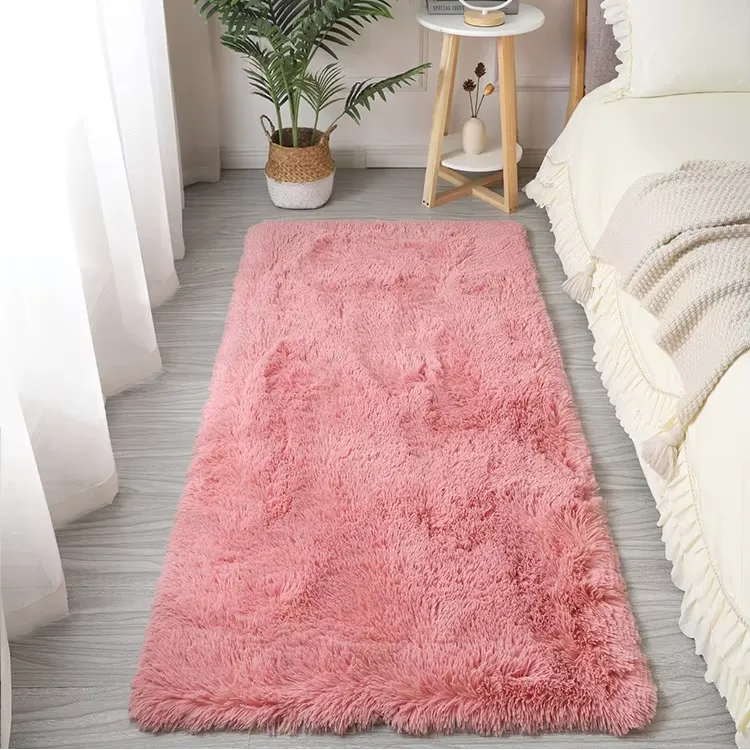
brown faux fur area rug Performance Analysis

Introduction
Brown faux fur area rugs represent a significant segment within the broader decorative flooring market, serving as an accessible alternative to natural fur. Positioned between high-end natural fiber rugs and lower-cost synthetic options, these rugs are valued for their aesthetic appeal, perceived softness, and relative affordability. Their manufacturing process sits within the textile industry, relying heavily on petrochemical feedstocks for fiber production. Core performance characteristics revolve around pile density, fiber composition (typically acrylic or polyester), backing material, and overall dimensional stability. A key industry challenge lies in balancing aesthetic qualities with durability, resistance to matting, and minimizing microplastic shedding during use and cleaning. The increased consumer focus on sustainability also drives demand for more environmentally responsible faux fur manufacturing processes.
Material Science & Manufacturing
The primary raw material for brown faux fur area rugs is typically acrylic or polyester fiber. Acrylic fibers, derived from acrylonitrile, offer a closer visual and tactile resemblance to real fur due to their bulk and crimp. However, acrylic exhibits lower abrasion resistance and a tendency to pill compared to polyester. Polyester, produced from polyethylene terephthalate (PET), provides superior durability, resilience, and resistance to shedding. Coloration is achieved through mass pigmentation during fiber extrusion or through dyeing post-production. The backing material usually consists of jute, polypropylene, or a combination of both. Jute offers a natural, breathable base but is susceptible to moisture damage. Polypropylene provides excellent moisture resistance and structural integrity.
Manufacturing involves several key steps: fiber production (polymerization of acrylonitrile or PET), fiber extrusion (creating filaments), texturing (crimping and bulking fibers to mimic fur), weaving or tufting (creating the rug pile), and finishing. Tufting is the dominant production method, involving inserting fibers into a primary backing material. Pile height is meticulously controlled during tufting, ranging from short-pile shag to long-pile, high-density simulations of animal fur. Density is measured in ounces per square yard (oz/yd²) or grams per square meter (g/m²). Critical process parameters include extrusion temperature (affecting fiber diameter and uniformity), fiber denier (fiber thickness – lower denier creates finer fibers), and tufting gauge (needle spacing, affecting pile density). Quality control measures focus on colorfastness, pile height consistency, and backing integrity. Increasingly, manufacturers are exploring bio-based polyester options derived from recycled PET bottles to address sustainability concerns.
Performance & Engineering
Performance assessment of brown faux fur area rugs necessitates consideration of several engineering principles. Pile compression resistance, measured via a compression set test, dictates how well the rug retains its loft and thickness under sustained pressure from foot traffic and furniture. Tensile strength of the backing material is crucial, preventing tearing and delamination. The flammability of acrylic and polyester fibers is a primary safety concern, requiring compliance with fire retardancy standards. Environmental resistance includes assessing colorfastness to light exposure (measured using the Blue Scale rating) and resistance to staining from common household liquids. Static electricity buildup is another consideration, particularly in dry climates; anti-static treatments are often applied.
Force analysis is relevant to understanding the impact of repeated foot traffic. Stress distribution within the pile fibers and backing material determines the rug’s lifespan. The coefficient of friction between the rug surface and flooring affects slip resistance, mitigating potential safety hazards. Compliance requirements vary by region, including VOC emission limits (California CARB Standard Method V1.1) and flammability standards (e.g., NFPA 701 for fabric structures). Functional implementation considerations involve matching pile height and density to intended use – higher pile for comfort, lower pile for high-traffic areas. Microplastic shedding during washing is an emerging performance issue, requiring careful selection of fiber types and washing procedures.
Technical Specifications
| Parameter | Unit | Acrylic Faux Fur | Polyester Faux Fur |
|---|---|---|---|
| Pile Height | mm | 30-60 | 25-50 |
| Pile Density | g/m² | 800-1800 | 1000-2200 |
| Fiber Denier | dtex | 2-6 | 3-8 |
| Backing Material | - | Jute/Polypropylene Blend | Polypropylene |
| Tensile Strength (Backing) | N/mm | 15-25 | 20-35 |
| Colorfastness to Light (Blue Scale) | - | 4-6 | 5-7 |
Failure Mode & Maintenance
Common failure modes in brown faux fur area rugs include pile matting, fiber shedding, backing delamination, and color fading. Matting occurs due to fiber deformation under compression, exacerbated by low pile density and inferior fiber quality. Fiber shedding is inherent to the manufacturing process, particularly with acrylic fibers, and can be accelerated by abrasion and washing. Backing delamination results from adhesive failure between the pile and backing layers, often caused by moisture exposure or excessive stress. Color fading is primarily caused by UV radiation exposure. Oxidation of acrylic fibers can lead to brittleness and discoloration over time.
Preventive maintenance is crucial for maximizing rug lifespan. Regular vacuuming (using a suction-only nozzle to avoid snagging) removes dust and debris, minimizing abrasion. Spot cleaning with a mild detergent and water is recommended for spills; avoid harsh chemicals. Professional cleaning is advisable every 12-18 months. To mitigate matting, rotate the rug periodically to distribute wear evenly. Protect the rug from direct sunlight to prevent color fading. For minor shedding, a lint roller can effectively remove loose fibers. In cases of significant delamination, professional rug repair is recommended. Avoid aggressive agitation during cleaning, as this can exacerbate fiber shedding and pile distortion. Careful consideration of washing procedures, including using cold water and a gentle cycle, can minimize microplastic release.
Industry FAQ
Q: What is the primary difference in durability between acrylic and polyester faux fur rugs?
A: Polyester faux fur rugs generally exhibit superior durability compared to acrylic counterparts. Polyester fibers possess higher tensile strength and abrasion resistance, leading to less pilling and fiber loss over time. While acrylic offers a softer feel initially, it's more prone to deformation and wear under sustained pressure.
Q: How can I minimize microplastic shedding during washing?
A: Microplastic shedding can be reduced by washing the rug in a laundry bag designed to capture microfibers, using cold water, and selecting a gentle wash cycle. Avoiding harsh detergents and fabric softeners is also beneficial. Air drying is preferable to tumble drying, which can exacerbate fiber breakdown.
Q: What backing material is most resistant to moisture damage?
A: Polypropylene backing material offers the highest level of moisture resistance. Jute, while a natural option, is susceptible to mold and mildew growth when exposed to prolonged moisture. A polypropylene blend can offer a balance of cost and performance.
Q: How does pile density affect the overall performance of the rug?
A: Higher pile density generally equates to greater durability and a more luxurious feel. A denser pile resists matting better and provides a more substantial cushion underfoot. However, very high-density piles can be more challenging to clean effectively.
Q: What flammability standards should I be aware of when purchasing a faux fur rug?
A: Depending on your location, relevant flammability standards include NFPA 701 (for fabrics used in public spaces) and California Technical Bulletin 117 (for residential furnishings). These standards specify requirements for flame resistance and smoke development.
Conclusion
Brown faux fur area rugs represent a complex intersection of material science, textile engineering, and consumer demand for aesthetic comfort. The choice between acrylic and polyester fibers hinges on prioritizing softness versus durability, while backing material selection impacts moisture resistance and structural integrity. Understanding the potential failure modes – matting, shedding, delamination – and implementing appropriate maintenance practices are crucial for maximizing product lifespan.
Looking forward, the industry faces increasing pressure to adopt more sustainable manufacturing processes, exploring bio-based polymers and reducing microplastic shedding. Continued innovation in fiber technology and tufting techniques will be essential for enhancing both the performance and environmental profile of these increasingly popular floor coverings. The balance between cost, comfort, and long-term durability will remain the key driver for product development and market acceptance.