

carpet faux fur Performance Analysis
Introduction
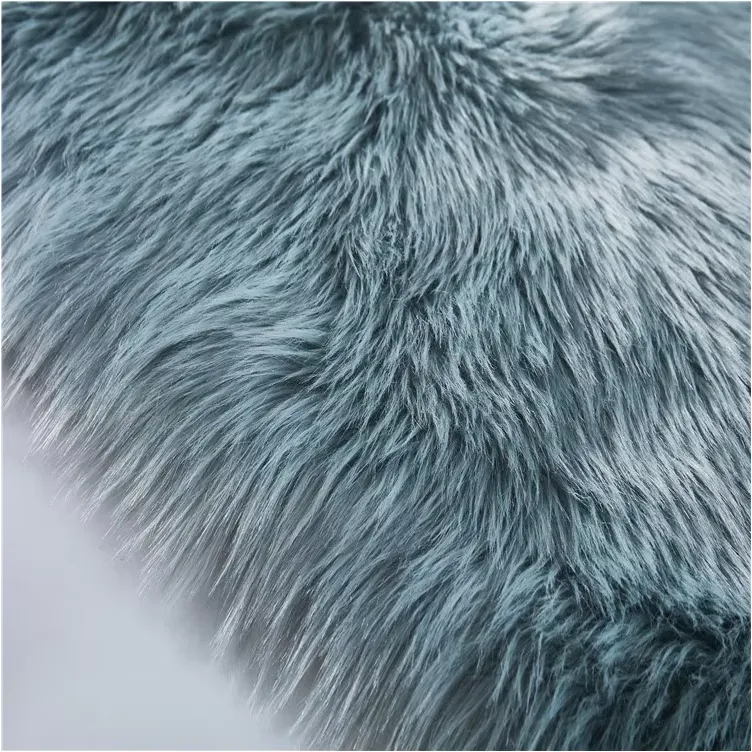
Carpet faux fur, a synthetic pile fabric designed to mimic the appearance and tactile qualities of animal fur, is a significant component within the broader textiles and flooring industries. Technically positioned as a substitute for natural animal hides and traditionally woven carpets, it serves diverse applications ranging from decorative flooring and upholstery to costume design and automotive interiors. The core performance characteristics of carpet faux fur revolve around its aesthetic similarity to natural fur, its durability, ease of maintenance, and cost-effectiveness. The product is typically constructed from synthetic fibers, predominantly polypropylene, polyester, and acrylic, secured to a backing material, frequently jute or polypropylene. A key industry pain point is achieving consistent pile density and fiber uniformity to avoid shedding and maintain a luxurious feel. Another challenge is minimizing the environmental impact of production through sustainable sourcing and manufacturing practices. The material's performance is dictated by the fiber type, pile height, density, and the backing's construction, impacting factors like abrasion resistance, colorfastness, and flammability.
Material Science & Manufacturing
The predominant raw materials used in carpet faux fur production are thermoplastic polymers: polypropylene (PP), polyester (PET), and acrylic. Polypropylene, known for its low cost and excellent stain resistance, is commonly used in high-traffic areas. Polyester offers better UV resistance and color retention, making it suitable for outdoor applications or areas exposed to sunlight. Acrylic fibers provide a softer, more luxurious feel but are generally less durable than PP or PET. The backing materials typically consist of woven jute or non-woven polypropylene fabrics. The manufacturing process generally involves several stages. First, polymer chips are melted and extruded into fibers using a spinneret. Fiber diameter significantly impacts the ‘feel’ of the faux fur, with finer fibers creating a softer texture. These fibers are then cut to a specific length. Next, the fibers are tufted into the primary backing material – jute or polypropylene – using specialized tufting machines. Tufting density, measured in stitches per inch (SPI), is critical for determining the pile’s density and durability. Following tufting, a latex coating is applied to the back to secure the fibers and provide structural integrity. A secondary backing material is then laminated to the latex layer for additional stability and cushioning. Finally, the carpet undergoes shearing to achieve the desired pile height and appearance. Critical parameters controlled during manufacturing include extrusion temperature, fiber denier (fineness), tufting speed, latex coating weight, and shearing blade sharpness. Consistent monitoring of these parameters ensures consistent product quality. Chemical compatibility between the fiber, latex, and backing is paramount; incompatibility can lead to delamination and premature failure.
Performance & Engineering
The performance of carpet faux fur is governed by a range of engineering principles. Force analysis focuses on tensile strength, tear resistance, and compression set – all crucial for withstanding foot traffic and maintaining shape. Tensile strength, measured in pounds per square inch (PSI), indicates the material's resistance to stretching. Tear resistance, evaluated using methods like the Elmendorf tear test, reflects its ability to resist ripping. Compression set, the permanent deformation after sustained pressure, is important for maintaining cushioning and preventing matting. Environmental resistance is a key concern. UV exposure can cause fading and degradation, particularly in polyester and acrylic fibers. The material’s resistance to moisture is also critical, impacting mold and mildew growth. The chemical resistance to cleaning agents and potential spills dictates its longevity and ease of maintenance. Compliance requirements vary based on intended application. For residential use, flammability standards, such as those defined by California Technical Bulletin 117, must be met. For commercial applications, stricter standards relating to fire safety, wear resistance, and slip resistance are often required. Static electricity buildup can be a concern; antistatic treatments may be applied to mitigate this. Pile height and density significantly affect the material's thermal insulation properties. Engineered variations often include incorporating antimicrobial treatments to prevent bacterial growth and allergen accumulation, enhancing hygiene, particularly in healthcare or childcare settings.
Technical Specifications
| Fiber Type | Pile Height (mm) | Pile Density (stitches/inch²) | Backing Material | Tensile Strength (PSI) | Flammability (ASTM D2859) |
|---|---|---|---|---|---|
| Polypropylene (PP) | 25-30 | 120-150 | Jute/Polypropylene | 150-200 | Class 1 |
| Polyester (PET) | 35-40 | 180-220 | Polypropylene | 200-250 | Class 1 |
| Acrylic | 40-50 | 150-180 | Jute | 120-180 | Class 2 |
| Polypropylene (PP) - Enhanced UV | 25-30 | 140-170 | Jute/Polypropylene | 160-220 | Class 1 |
| Polyester (PET) - Solution Dyed | 30-35 | 200-240 | Polypropylene | 220-270 | Class 1 |
| Acrylic - High Pile | 50-60 | 120-150 | Jute | 100-150 | Class 2 |
Failure Mode & Maintenance
Carpet faux fur is susceptible to several failure modes. Fatigue cracking can occur in high-traffic areas due to repeated compression and flexing, leading to fiber breakage and pile loss. Delamination, the separation of the pile from the backing, is often caused by inadequate latex adhesion or chemical incompatibility. Degradation from UV exposure, particularly with polyester and acrylic fibers, causes fading, brittleness, and reduced tensile strength. Oxidation can occur over time, particularly in polypropylene, leading to discoloration and loss of flexibility. Shedding, a common issue, is a result of loose fibers not being securely anchored. Maintenance is crucial to prolong the lifespan of the product. Regular vacuuming, ideally with a brush attachment, removes loose dirt and debris. Spot cleaning with a mild detergent and water is recommended for spills, avoiding harsh chemicals that can damage the fibers. Professional cleaning, employing low-moisture extraction methods, is advisable every 12-18 months. Avoid prolonged direct sunlight exposure. To prevent matting, rotate furniture regularly. In cases of significant delamination, professional re-tufting or replacement may be necessary. Preventative measures include selecting a fiber type appropriate for the intended application and ensuring proper installation to minimize stress on the material.
Industry FAQ
Q: What is the difference between polypropylene and polyester faux fur in terms of stain resistance?
A: Polypropylene inherently possesses superior stain resistance compared to polyester. This is due to its hydrophobic nature, meaning it repels water-based stains more effectively. Polyester, while more UV resistant, absorbs moisture more readily, making it more susceptible to staining from liquids like coffee, wine, or oil. While both can be treated with stain-resistant finishes, polypropylene generally requires less treatment and maintains its stain resistance longer.
Q: How does pile density impact the durability of faux fur?
A: Pile density, measured in stitches per inch, directly correlates with durability. A higher pile density indicates more fibers per unit area, resulting in greater resistance to abrasion and wear. Higher density carpets can withstand increased foot traffic and maintain their appearance for a longer period. Lower density carpets are more prone to fiber loss and matting.
Q: What are the implications of choosing a jute versus a polypropylene backing?
A: Jute backings are a natural fiber, offering better breathability and a more eco-friendly option. However, they are susceptible to moisture absorption and mildew growth, making them less suitable for damp environments. Polypropylene backings are synthetic, providing superior moisture resistance and durability. They are less prone to degradation and offer better dimensional stability. The choice depends on the intended application and environmental conditions.
Q: What flammability standards should be considered for commercial installations?
A: For commercial installations, compliance with standards like NFPA 701 (Standard Methods of Fire Tests for Flame Propagation of Textiles and Films) and local building codes is paramount. These standards typically require the material to exhibit a low flame spread index and limited smoke development. ASTM D2859 provides a classification system for flooring materials based on their flame resistance.
Q: How can I minimize shedding in faux fur carpets?
A: Shedding is a common issue, particularly with new faux fur carpets. Regular vacuuming with a brush attachment helps remove loose fibers. Selecting a higher pile density carpet minimizes initial shedding. Ensuring proper manufacturing quality, with secure fiber anchoring during tufting, is also critical. Using a carpet rake can help to lift and align fibers, reducing the appearance of shedding over time.
Conclusion
Carpet faux fur represents a versatile and cost-effective alternative to natural fur and traditional carpeting. Its performance characteristics, dictated by material selection and manufacturing processes, are critical considerations for various applications. Understanding the interplay between fiber type, pile density, backing material, and environmental factors is essential for selecting a product that meets specific performance requirements and longevity expectations.
The ongoing development of sustainable materials and manufacturing techniques, alongside advancements in fiber technology, are poised to further enhance the performance and environmental profile of carpet faux fur. Future innovations may focus on incorporating recycled materials, reducing VOC emissions, and improving resistance to wear and tear, solidifying its position as a preferred flooring and textile solution across diverse industries.