


champagne fur rug Performance Analysis
Introduction
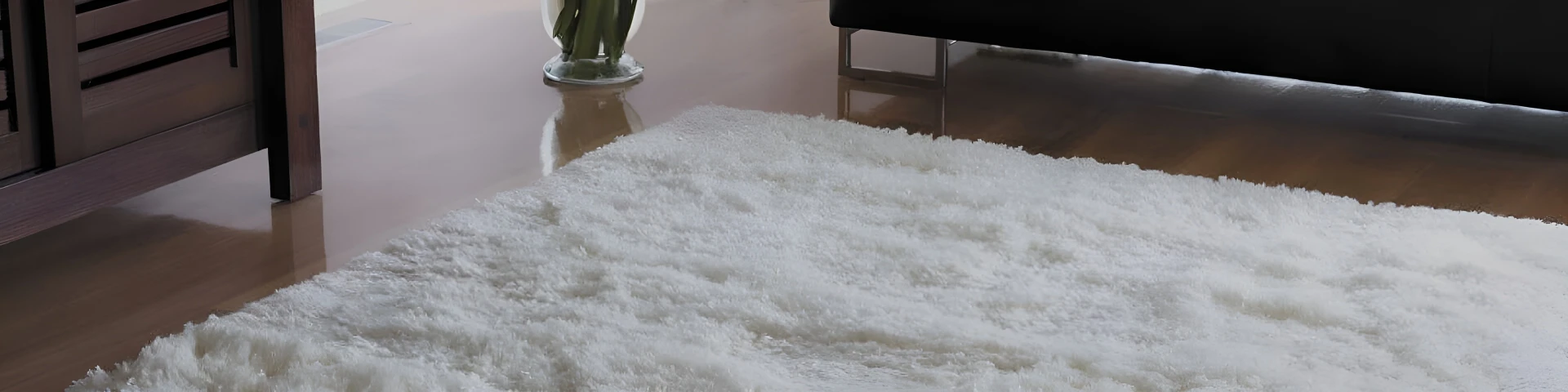
Champagne fur rugs represent a specialized segment within the broader decorative rug market, distinguished by their long pile, soft texture, and aesthetic resembling the froth of champagne. Technically, these rugs are typically constructed from synthetic fibers—primarily polypropylene and polyester—engineered to mimic the luxurious feel of natural animal fur without the ethical concerns or substantial cost. They serve predominantly in residential interior design, adding warmth and textural contrast. Their performance is evaluated based on pile density, fiber durability, colorfastness, and resistance to crushing. This guide provides a detailed analysis of champagne fur rug construction, performance characteristics, potential failure modes, and industry standards, addressing critical considerations for procurement managers and quality control engineers.
Material Science & Manufacturing
The foundational materials of champagne fur rugs are synthetic polymers, overwhelmingly polypropylene (PP) and polyester. Polypropylene is favored for its inherent moisture resistance, low cost, and ability to be extruded into fine, flexible filaments. Polyester offers superior dye uptake, enhancing color vibrancy and retention. The manufacturing process begins with polymer extrusion, creating continuous filaments. These filaments undergo texturing – typically using air jet texturing or crimping – to increase bulk and impart a softer hand feel. The textured filaments are then heat-set to maintain their crimped structure. Crucially, pile height is a defining characteristic, often ranging from 40mm to 70mm, achieved through carefully controlled cutting during manufacturing. The backing material is commonly a jute or polypropylene woven substrate coated with a layer of latex or synthetic rubber to provide dimensional stability and prevent shedding. Density, measured in grams per square meter (GSM), is a critical parameter. Higher GSM values (typically 800-1500 GSM) indicate a denser, more luxurious pile. Fiber denier – a unit of measure for fiber fineness – also impacts texture; lower denier fibers (e.g., 2-3 denier) result in a silkier feel. Coloration is achieved through solution dyeing (adding pigment to the polymer before extrusion) or post-dyeing techniques. Quality control involves rigorous testing of fiber tensile strength, colorfastness to light and washing, and assessment of pile recovery after compression.
Performance & Engineering
Champagne fur rugs are subjected to a range of performance demands, primarily relating to durability and aesthetic maintenance. Key engineering considerations include resistance to compression set – the permanent deformation of the pile fibers after sustained pressure. This is directly related to the polymer type (polyester generally exhibits better resilience than polypropylene) and pile density. The rug’s structural integrity is also affected by the adhesion between the pile fibers and the backing material. Weak adhesion leads to excessive shedding and premature wear. Force analysis reveals that typical foot traffic exerts a cyclical compressive stress on the pile. Repeated stress cycles can cause fiber fatigue, leading to breakage and a reduction in pile height. Environmental resistance is also crucial. Exposure to ultraviolet (UV) radiation can cause color fading and polymer degradation, particularly in polypropylene. The rugs must also exhibit good stain resistance to common household spills. Flammability is a significant safety concern, regulated by standards like California Technical Bulletin 117. Dimensional stability – the rug's ability to maintain its shape and size – is influenced by the backing material and the degree of heat-setting during manufacturing. Compliance requirements often necessitate testing for volatile organic compound (VOC) emissions to ensure indoor air quality standards are met. The structural design aims to distribute load effectively and minimize stress concentrations within the pile.
Technical Specifications
| Parameter | Unit | Typical Range | Test Method |
|---|---|---|---|
| Pile Height | mm | 40-70 | ASTM D593 |
| Pile Density (GSM) | g/m² | 800-1500 | ISO 8546 |
| Fiber Material | - | Polypropylene (PP) / Polyester | Differential Scanning Calorimetry (DSC) |
| Fiber Denier | denier | 2-8 | ASTM D1577 |
| Backing Material | - | Jute/Polypropylene | Visual Inspection |
| Colorfastness to Light | Rating (1-5) | 4-5 | ISO 105-B02 |
Failure Mode & Maintenance
Champagne fur rugs are susceptible to several failure modes. Fiber Fatigue: Repeated compression cycles cause fiber breakage, leading to a decrease in pile height and a matted appearance. This is accelerated by lower-quality polymers and lower pile densities. Shedding: Loss of pile fibers due to insufficient adhesion to the backing. Commonly observed in newly manufactured rugs and those subjected to high traffic. Crushing: Permanent deformation of the pile under sustained weight, resulting in a flattened appearance. Color Fading: Degradation of the dye molecules due to UV exposure, particularly in polypropylene rugs. Staining: Absorption of liquids into the fibers, leading to discoloration. Delamination: Separation of the pile from the backing material. This is a severe failure mode often caused by poor latex adhesion. Oxidation: Degradation of the polymer chains due to exposure to oxygen and heat, leading to brittleness and cracking. Maintenance recommendations include regular vacuuming to remove dust and debris, prompt stain removal using appropriate cleaning agents, avoiding direct sunlight exposure, and rotating the rug periodically to distribute wear evenly. For significant crushing, professional steam cleaning may help to restore some pile height. Preventative measures include the use of rug pads to provide cushioning and reduce compression stress.
Industry FAQ
Q: What is the primary difference between polypropylene and polyester champagne fur rugs in terms of durability?
A: Polyester generally exhibits superior resilience and resistance to crushing compared to polypropylene. While polypropylene is more cost-effective and moisture-resistant, polyester retains its pile height and shape better under sustained compression. Polyester also tends to have better colorfastness. However, high-quality polypropylene rugs can offer acceptable durability for low-traffic areas.
Q: How does pile density (GSM) impact the performance of a champagne fur rug?
A: Higher GSM values indicate a denser pile, resulting in a more luxurious feel and improved durability. A denser pile provides better support and resistance to crushing, and it also reduces the likelihood of fibers becoming matted. Lower GSM rugs are more prone to wear and tear and may flatten more quickly.
Q: What testing standards are relevant for assessing the flammability of these rugs?
A: California Technical Bulletin 117 is a key standard for assessing the flammability of upholstered furniture, including rugs. It specifies requirements for smolder resistance and flame spread. Other relevant standards include NFPA 701 for flame propagation and the European standard EN 13501-1 for fire classification.
Q: What is the recommended maintenance procedure for removing oil-based stains from a champagne fur rug?
A: Blot the stain immediately with a clean, absorbent cloth. Avoid rubbing, as this can spread the stain. Apply a small amount of dry-cleaning solvent to a cloth and gently blot the stained area. Repeat until the stain is removed. Vacuum the area to remove any solvent residue. Always test the solvent in an inconspicuous area first to ensure it does not damage the fibers.
Q: How does the backing material contribute to the overall performance and longevity of the rug?
A: The backing material provides dimensional stability and prevents shedding. Jute backings are natural and breathable but less durable and susceptible to moisture damage. Polypropylene backings offer better durability and moisture resistance. The adhesive used to bond the pile to the backing is critical; a strong, flexible adhesive is essential to prevent delamination.
Conclusion
Champagne fur rugs, while aesthetically appealing, present specific engineering and material science considerations. Their performance is intrinsically linked to the selection of synthetic polymers, manufacturing processes impacting pile density and fiber structure, and the robustness of the backing system. Understanding the potential failure modes – ranging from fiber fatigue and crushing to delamination and UV degradation – is crucial for informed procurement decisions and the implementation of effective maintenance strategies.
The continued development of advanced polymer technologies and improved manufacturing techniques holds the potential to enhance the durability, stain resistance, and overall lifespan of champagne fur rugs. Furthermore, adherence to stringent quality control measures and relevant industry standards, such as those pertaining to flammability and VOC emissions, will be essential to ensure product safety and environmental responsibility. Ultimately, a thorough technical understanding of these factors is paramount for delivering a high-quality product that meets consumer expectations.