

coral faux fur rug Performance Analysis
Introduction
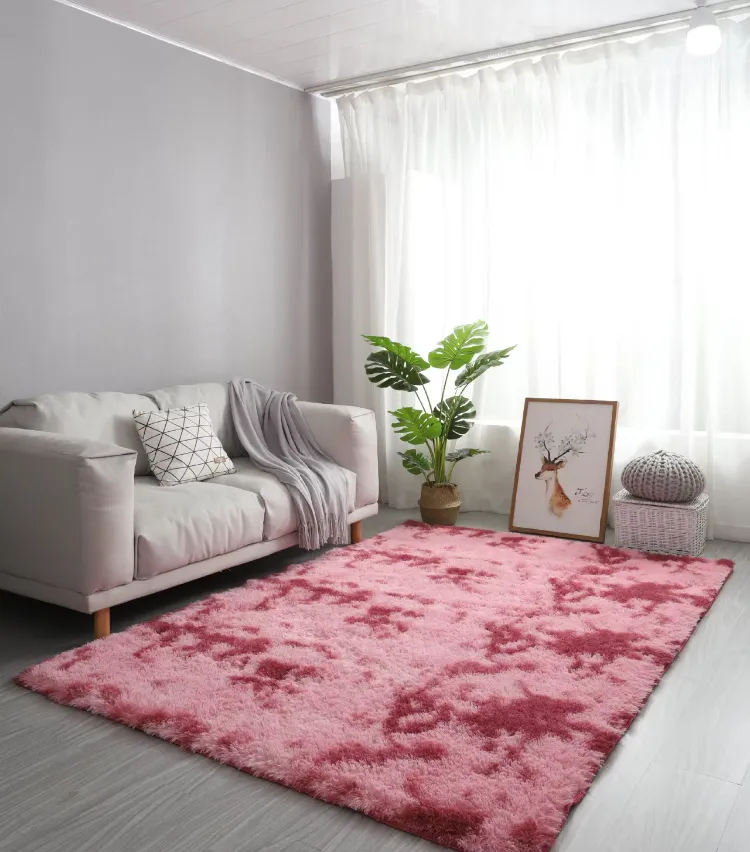
Coral faux fur rugs represent a segment within the broader synthetic floor covering industry, positioned between traditional, natural fiber rugs and mass-produced, lower-cost synthetic options. These rugs are primarily composed of synthetic fibers engineered to mimic the appearance and tactile qualities of genuine animal fur, typically employing acrylic, polyester, or a blend of both. Their technical position lies in providing an aesthetically pleasing, soft, and relatively affordable alternative to real fur, addressing ethical concerns and cost considerations. Core performance characteristics center on pile density, fiber length, and the quality of the backing material, all impacting durability, comfort, and overall aesthetic appeal. Understanding these factors is crucial for both manufacturers and consumers seeking optimal performance and longevity in this product category.
Material Science & Manufacturing
The primary raw materials for coral faux fur rugs are synthetic polymers, predominantly acrylic and polyester. Acrylic fibers (polyacrylonitrile) are favored for their wool-like feel, excellent dyeability, and relatively low cost. However, acrylic exhibits lower abrasion resistance and is more susceptible to pilling compared to polyester. Polyester fibers, often employing polyethylene terephthalate (PET), offer superior durability, resilience, and resistance to crushing. Fiber denier—the thickness of the individual strands—significantly influences the rug's texture; lower denier fibers create a softer, more delicate feel. Manufacturing typically involves extruding the polymer into fibers, which are then cut to the desired length. These fibers are subsequently tufted or woven into a backing material, commonly polypropylene or jute. Tufting involves inserting the fibers into a pre-made backing, while weaving interlocks the fibers for increased structural integrity. Pile height, density (fibers per square inch), and the quality of the backing adhesive are key process parameters requiring stringent control. Post-production processes include shearing to achieve a uniform pile height and dyeing to attain the desired coral color. Chemical compatibility of dyes with the chosen polymer is critical to prevent fading or discoloration.

Performance & Engineering
The performance of a coral faux fur rug is heavily influenced by its ability to withstand compressive forces and maintain its structural integrity under foot traffic. Force analysis reveals that the pile density and fiber tenacity are critical factors in determining resistance to flattening and matting. The backing material plays a crucial role in distributing load and preventing delamination. Environmental resistance is primarily focused on moisture management and UV stability. While inherently resistant to mildew, prolonged exposure to moisture can promote bacterial growth within the pile. UV exposure can cause fading and degradation of the polymer fibers, particularly acrylic. Compliance requirements often revolve around flammability standards (e.g., California Proposition 65 regarding phthalates in PVC backing) and VOC emissions (Volatile Organic Compounds). Functional implementation centers on achieving the desired aesthetic and tactile experience. Pile height dictates the perceived softness, while fiber crimp and density affect the rug’s ability to mimic the appearance of natural fur. The selection of backing material impacts slip resistance and suitability for different flooring types.
Technical Specifications
| Parameter | Units | Acrylic Fiber | Polyester Fiber |
|---|---|---|---|
| Pile Height | mm | 25-40 | 20-35 |
| Pile Density | fibers/in² | 800-1200 | 900-1400 |
| Fiber Denier | dtex | 2-3 | 3-4 |
| Tensile Strength | cN/tex | 60-80 | 70-90 |
| Moisture Absorption | % | 1.5-2.5 | 0.4-0.8 |
| UV Resistance (Colorfastness) | Rating (1-5) | 3-4 | 4-5 |
Failure Mode & Maintenance
Coral faux fur rugs are susceptible to several failure modes. Pilling, the formation of small balls of fiber on the surface, is common, particularly with acrylic fibers due to their lower abrasion resistance. Crushing and matting occur under sustained compressive loads, reducing pile height and aesthetic appeal. Delamination, the separation of the pile from the backing, results from adhesive failure and can be accelerated by moisture exposure. Fading and discoloration arise from prolonged UV exposure, affecting the rug’s appearance. Oxidation of the polymer fibers can lead to brittleness and reduced resilience over time. Maintenance recommendations include regular vacuuming (using a suction-only nozzle to avoid snagging fibers), spot cleaning with a mild detergent and water, and avoiding direct sunlight exposure. For delamination, professional re-gluing may be required. Prevention of pilling involves minimizing abrasive foot traffic and using a rug pad to distribute weight. Periodic rotation of the rug can help even out wear and prevent localized compression.
Industry FAQ
Q: What is the primary difference between acrylic and polyester faux fur in terms of durability?
A: Polyester generally exhibits superior durability and resilience compared to acrylic. While acrylic offers a softer hand feel and excellent dyeability, it is more prone to pilling, crushing, and abrasion damage. Polyester fibers maintain their shape and texture better under stress and are more resistant to wear and tear over time, making them a better choice for high-traffic areas.
Q: How does the backing material impact the overall performance and longevity of the rug?
A: The backing material provides structural support and prevents delamination. Polypropylene is a common, cost-effective option, offering good moisture resistance. Jute provides a more natural feel but is susceptible to moisture damage and degradation. The adhesive used to bond the pile to the backing is also critical; a high-quality adhesive is essential for preventing separation and ensuring long-term structural integrity.
Q: What flammability standards are typically applicable to faux fur rugs?
A: Faux fur rugs are generally subject to flammability standards such as California Proposition 65, which regulates the presence of potentially harmful substances like phthalates in PVC backing. Additionally, compliance with the Federal Flammability Standard FF 1-70 (though often superseded by state and local regulations) may be required. It's crucial to verify compliance with relevant regional standards.
Q: What is the recommended cleaning procedure for a coral faux fur rug to maintain its appearance and prevent damage?
A: Regular vacuuming with a suction-only nozzle is essential to remove loose dirt and debris. Spot cleaning should be performed with a mild detergent diluted in cool water. Avoid harsh chemicals and abrasive cleaners. Blot stains gently rather than rubbing, and allow the rug to air dry completely. Professional cleaning is recommended for deep cleaning and stain removal.
Q: How can I mitigate the risk of fading due to UV exposure?
A: Prolonged exposure to direct sunlight can cause fading and degradation of the polymer fibers. To mitigate this, position the rug away from direct sunlight, use curtains or blinds to filter UV rays, and consider rotating the rug periodically to ensure even exposure. UV protectant sprays specifically designed for synthetic fabrics can also be applied, though their effectiveness varies.
Conclusion
Coral faux fur rugs represent a viable alternative to natural fur, offering aesthetic appeal and affordability without ethical concerns. Their performance characteristics are dictated by a complex interplay of material science – primarily the selection of acrylic or polyester fibers – and manufacturing parameters such as pile density, fiber denier, and backing quality. Understanding these factors is crucial for selecting a rug suited to the intended application and ensuring long-term durability and aesthetic retention.
Future developments in faux fur rug technology may focus on enhancing UV resistance through the incorporation of UV stabilizers into the polymer matrix, improving the sustainability of materials through the use of recycled polymers, and developing more robust bonding adhesives to prevent delamination. Continued research and development in fiber engineering will likely lead to even softer, more realistic, and more durable faux fur options, further solidifying their position in the floor covering market.