


cream fur carpet Performance Analysis
Introduction
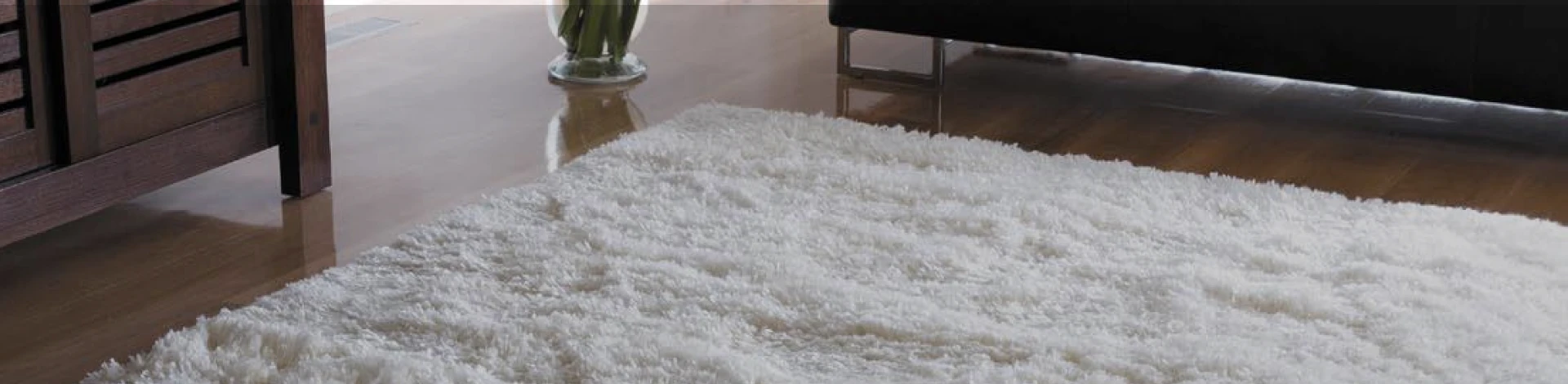
Cream fur carpet, typically defined as a pile carpet incorporating synthetic or natural fibers designed to mimic the appearance and texture of animal fur, occupies a specific niche within the broader floor covering industry. Its primary position is as a luxury flooring option emphasizing comfort and aesthetic appeal. Unlike traditional loop or cut-pile carpets, cream fur carpets rely on a high pile height and specialized fiber processing to achieve a dense, soft surface. Core performance characteristics include thermal insulation, sound absorption, and tactile comfort. However, these benefits are often counterbalanced by increased maintenance requirements and susceptibility to matting. The manufacturing process diverges significantly from conventional carpet weaving and tufting, necessitating specialized equipment and quality control procedures. This guide will delve into the material science, manufacturing techniques, performance parameters, failure modes, and maintenance protocols associated with cream fur carpet, providing a comprehensive technical overview for industry professionals.
Material Science & Manufacturing
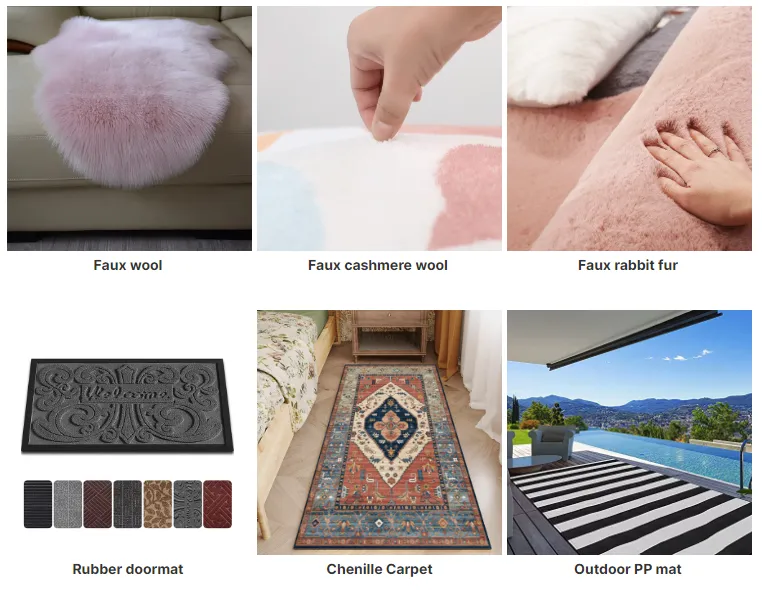
The foundational materials for cream fur carpet typically include a backing material (often polypropylene or jute), a primary and secondary tufting substrate, and the pile fiber itself. Pile fibers commonly employed are modified polyester (primarily polypropylene for cost-effectiveness and stain resistance, though acrylic offers a softer hand feel), and occasionally blends incorporating rayon or wool for enhanced luxury. The key to the "fur" effect lies in the fiber morphology and processing. Polypropylene fibers are extruded with irregular cross-sections, creating a natural crimp and allowing for increased surface area. These fibers are then cut to a substantial pile height (typically 50-100mm) and mechanically “fluffed” or teased to create a dense, three-dimensional structure. Manufacturing begins with primary backing, often polypropylene woven or non-woven. Tufting machines insert the prepared fiber into the primary backing, followed by application of a latex adhesive to lock the tufts in place. A secondary backing is then applied for dimensional stability and enhanced durability. Crucially, the density and uniformity of fiber insertion, the precise application rate of latex adhesive, and the effective control of pile height are paramount parameters. Variations in these parameters directly impact the carpet’s aesthetic appearance, resilience, and longevity. Post-tufting processes involve shearing to achieve a uniform pile height, and a rigorous quality control assessment to identify and rectify inconsistencies in fiber density and pile structure. Colorfastness is achieved through solution dyeing or pre-dyed fibers to ensure resistance to fading from UV exposure.
Performance & Engineering
The performance of cream fur carpet is significantly dictated by its structural characteristics and the inherent properties of the constituent materials. Force analysis reveals that the carpet’s ability to withstand compressive loads is primarily dependent on the fiber density and pile height. Higher density and pile height generally correlate with increased compressive resistance but also greater susceptibility to matting. Environmental resistance is a critical consideration. While polypropylene fibers exhibit excellent resistance to moisture and mildew, the latex adhesive used in the backing is vulnerable to hydrolysis over extended periods of exposure to humidity. UV resistance, while improved with solution-dyed fibers, remains a potential concern, leading to fading and fiber degradation. Compliance requirements vary by region, but typically encompass flammability testing (ASTM E84, EN 13501-1), VOC emission standards (CARB Section 01867, GREENGUARD Gold), and pile fiber content labeling (Federal Trade Commission regulations in the US). From a functional implementation standpoint, the substantial pile height contributes to significant sound absorption, particularly in the mid to high-frequency range. However, this same characteristic can create challenges for cleaning and maintenance, as debris can become deeply embedded within the pile. The carpet’s thermal resistance (R-value) is also noteworthy, providing a degree of insulation and contributing to energy savings. The structural integrity relies on the bonding strength between the pile fibers and the backing, which is affected by adhesive degradation over time.
Technical Specifications
| Parameter | Units | Typical Value (Range) | Test Method |
|---|---|---|---|
| Pile Height | mm | 50-100 | ASTM D598 |
| Pile Density | oz/yd² | 40-80 | ASTM D6866 |
| Total Weight | oz/yd² | 80-120 | ASTM D6866 |
| Fiber Type | - | Polypropylene (PP), Polyester (PET) | Microscopic Analysis |
| Backing Material | - | Polypropylene, Jute | Visual Inspection |
| Flammability (Flame Spread Index) | - | ≤ 450 | ASTM E84 |
Failure Mode & Maintenance
Cream fur carpets are susceptible to several distinct failure modes. Matting, resulting from fiber deformation under sustained compressive loads, is a common issue, particularly in high-traffic areas. This is exacerbated by lower fiber density and inadequate pile height. Fiber shedding is another prevalent concern, especially during the initial usage period, and is linked to inadequate fiber anchoring during tufting. Delamination, the separation of the pile from the backing, occurs due to adhesive failure, often accelerated by exposure to moisture and temperature fluctuations. Oxidation of polypropylene fibers, although slow, can lead to embrittlement and discoloration over long periods. Cleaning-related damage is significant; aggressive vacuuming can contribute to fiber breakage and matting, while improper stain removal techniques can cause discoloration or fiber degradation. Maintenance protocols should emphasize regular, gentle vacuuming with a brush-free attachment. Spot cleaning should employ mild detergents specifically formulated for synthetic fibers. Professional steam cleaning, performed periodically, can help restore pile loft and remove deeply embedded debris. Prevention of excessive moisture exposure is crucial to mitigate the risk of adhesive hydrolysis and delamination. Regularly rotating furniture and implementing walk-off mats at entrances can reduce localized wear and tear and prolong the carpet’s lifespan. Re-fluffing the pile with a specialized carpet rake can also help restore appearance.
Industry FAQ
Q: What is the primary difference between a cream fur carpet using polypropylene versus polyester fibers?
A: Polypropylene offers superior stain resistance and is generally more cost-effective. However, polyester (particularly high-quality varieties) exhibits a softer hand feel and improved resilience, offering better recovery from compression. Polypropylene can also be prone to static build-up, a concern polyester mitigates.
Q: How does latex adhesive failure manifest, and what are the preventative measures?
A: Latex adhesive failure typically presents as delamination, where the pile separates from the backing. Preventative measures include ensuring proper adhesive application rates during manufacturing, maintaining stable humidity levels in the installation environment, and avoiding prolonged exposure to excessive moisture.
Q: What is the expected lifespan of a high-quality cream fur carpet in a moderate-traffic residential setting?
A: A high-quality cream fur carpet, with a pile density of 60-80 oz/yd² and proper maintenance, can reasonably be expected to last 8-12 years in a moderate-traffic residential setting. However, this is highly dependent on cleaning practices and usage frequency.
Q: What specific vacuum cleaner settings are recommended to minimize fiber damage?
A: A vacuum cleaner with adjustable pile height settings should be used, set to the highest possible setting for cream fur carpets. A brush-free attachment is strongly recommended to avoid snagging and breaking the fibers. Suction power should also be adjusted to the lowest effective level.
Q: Are there any specific VOC emission standards that are particularly relevant for cream fur carpets?
A: CARB Section 01867 and GREENGUARD Gold are particularly relevant VOC emission standards. These certifications demonstrate that the carpet meets stringent requirements for low VOC emissions, ensuring good indoor air quality.
Conclusion
Cream fur carpet presents a unique combination of aesthetic appeal and functional performance. However, its longevity and continued utility are heavily reliant on a thorough understanding of the underlying material science, manufacturing processes, and potential failure modes. The selection of appropriate pile fibers, robust adhesive systems, and diligent maintenance protocols are critical factors in maximizing the lifespan and maintaining the desired aesthetic qualities.
Moving forward, advancements in fiber technology, such as the development of inherently flame-retardant polypropylene and improved latex adhesive formulations, will likely enhance the durability and safety of cream fur carpets. Furthermore, increased emphasis on sustainable manufacturing practices and the use of recycled materials will address growing environmental concerns within the flooring industry. A comprehensive approach to design, manufacturing, and maintenance is essential to unlock the full potential of this specialized flooring product.