

dark blue faux fur rug Performance Analysis
Introduction
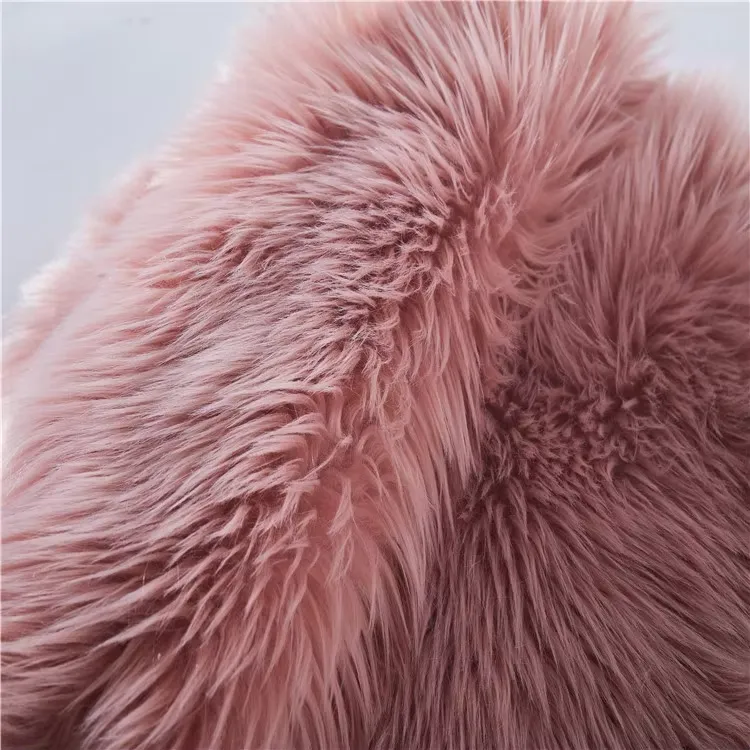
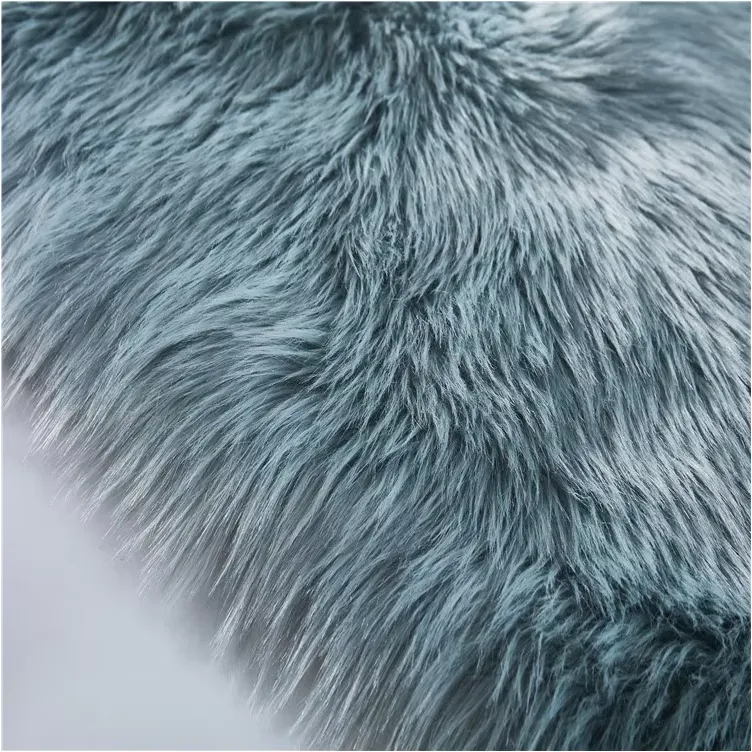
Dark blue faux fur rugs represent a significant segment within the broader floor covering industry, functioning primarily as decorative elements offering both aesthetic appeal and tactile comfort. Unlike natural fiber rugs, these products are entirely synthetic, typically constructed from acrylic, polyester, or polypropylene fibers designed to mimic the look and feel of animal fur. Their positioning in the supply chain involves raw polymer production, fiber extrusion, weaving or knitting, dyeing, finishing treatments (including simulated fur texture creation), and final rug assembly. Core performance characteristics center on visual similarity to genuine fur, durability against pedestrian traffic, colorfastness, ease of cleaning, and cost-effectiveness relative to natural fur alternatives. The industry currently faces challenges related to sustainable material sourcing, reducing microplastic shedding, and enhancing the longevity of the pile fibers.
Material Science & Manufacturing
The foundational material of dark blue faux fur rugs is predominantly acrylic (polyacrylonitrile), polyester, or polypropylene. Acrylic provides a luxurious, soft hand feel due to its inherent bulk and crimp, but exhibits lower abrasion resistance. Polyester is more durable and resilient, offering better stain resistance, while polypropylene is the most cost-effective option, demonstrating good moisture resistance but potentially lower aesthetic fidelity to natural fur. The production process begins with polymer synthesis from petrochemical feedstocks. These polymers are then extruded into fine filaments, typically deniers ranging from 0.5 to 3.0 D. Fiber texturing processes—crimping, looping, and cutting—are critical to develop the fur-like appearance. The fibers are then woven or knitted into a backing material, commonly polypropylene or jute. Dyeing occurs either during the fiber extrusion process (solution dyeing, offering superior colorfastness) or after weaving/knitting (piece dyeing). A crucial step involves “flocking” or “needle punching,” where the fibers are mechanically inserted into the backing to create the dense, plush pile. Pile height varies significantly, typically ranging from 20mm to 80mm, impacting both comfort and aesthetic quality. Parameter control during extrusion—temperature, pressure, and draw ratio—directly influences fiber strength, crimp, and denier uniformity. Dye bath temperature, pH, and dye concentration affect color saturation and lightfastness.
Performance & Engineering
Performance characteristics of dark blue faux fur rugs are dictated by the interplay of fiber properties and rug construction. Force analysis reveals that the pile fibers bear the primary load during pedestrian traffic. Fiber tensile strength, measured using ASTM D2256, is critical to prevent premature pile loss. The backing material contributes to overall rug dimensional stability and resistance to stretching or warping. Environmental resistance is a significant concern. Prolonged exposure to ultraviolet (UV) radiation can cause color fading and fiber degradation. Accelerated weathering tests, conforming to ISO 105-B02, are used to assess UV resistance. Moisture resistance is generally good due to the hydrophobic nature of the synthetic fibers, but prolonged exposure to moisture can promote mildew growth within the backing. Compliance requirements vary by region but typically include flammability standards (e.g., California Proposition 65 regarding formaldehyde emissions), VOC emissions limits (e.g., CARB Section 93120.2), and content labeling regulations. The rug’s total weight (weight per unit area, in g/m²) is an important engineering parameter, affecting its stability and resistance to shifting. The pile density (fibers per unit area) directly correlates with the perceived luxuriousness and comfort of the rug.
Technical Specifications
| Parameter | Acrylic Fiber Rug | Polyester Fiber Rug | Polypropylene Fiber Rug | Units |
|---|---|---|---|---|
| Pile Height | 25-60 | 30-80 | 20-50 | mm |
| Pile Weight | 800-1500 | 900-1800 | 600-1200 | g/m² |
| Fiber Denier | 1.5-3.0 | 1.0-2.5 | 0.8-2.0 | D |
| Tensile Strength | 60-80 | 70-90 | 40-60 | cN/tex |
| Colorfastness to Light (ISO 105-B02) | 4-6 | 6-8 | 5-7 | Grade (1-8) |
| Moisture Absorption | 1-3 | 0.5-2 | 0.1-1 | % |
Failure Mode & Maintenance
Dark blue faux fur rugs are susceptible to several failure modes. Pile crushing is a common issue, arising from repeated compression under foot traffic, leading to a flattened appearance. Fiber shedding, especially during initial use, is inherent due to loose fibers and cut ends. This can be mitigated through rigorous quality control during manufacturing. Color fading, induced by UV exposure, is a significant concern, particularly for rugs placed in direct sunlight. Matting, characterized by a loss of pile definition, occurs due to fiber entanglement and soil accumulation. Delamination, where the pile separates from the backing, is a more severe failure resulting from adhesive failure or backing degradation. Oxidation of the polymer fibers can occur over extended periods, leading to brittleness and cracking. Maintenance recommendations include regular vacuuming (using a suction-only nozzle to avoid fiber pull), spot cleaning with a mild detergent and water solution, and avoiding prolonged exposure to direct sunlight. Professional cleaning is recommended annually. Preventative measures include rotating the rug to distribute wear evenly and using rug pads to provide cushioning and protect the underlying floor.
Industry FAQ
Q: What is the primary difference between acrylic and polyester faux fur in terms of durability?
A: Polyester generally offers superior durability compared to acrylic. While acrylic provides a softer hand feel, polyester fibers exhibit higher tensile strength and abrasion resistance, leading to better pile retention and resistance to wear and tear over time. This difference translates to a longer lifespan for polyester-based rugs, particularly in high-traffic areas.
Q: How can I prevent color fading in a dark blue faux fur rug exposed to sunlight?
A: Minimizing direct sunlight exposure is the most effective preventative measure. Using curtains, blinds, or placing the rug in a shaded area can significantly reduce UV radiation. Look for rugs treated with UV stabilizers during the manufacturing process. Regular rotation of the rug can also help distribute light exposure and prevent uneven fading.
Q: What are the environmental concerns associated with faux fur rugs, and are there more sustainable options?
A: The primary environmental concern is the reliance on petrochemicals for fiber production. Additionally, microplastic shedding during use and washing is a growing concern. Some manufacturers are exploring recycled polyester and polypropylene options, reducing dependence on virgin materials. Bio-based polymers are also under development, offering a potentially more sustainable alternative, though currently at a higher cost.
Q: What is the best method for cleaning a dark blue faux fur rug to avoid damaging the fibers?
A: Regular vacuuming with a suction-only nozzle is crucial to remove loose debris. For spot cleaning, use a mild detergent diluted in cool water, applying gently with a soft cloth. Avoid harsh chemicals or abrasive cleaners. Do not machine wash or tumble dry, as this can cause significant damage to the fibers. Professional cleaning is recommended for deep cleaning.
Q: What is the significance of pile weight (g/m²) in determining the quality of a faux fur rug?
A: Pile weight is a key indicator of rug density and overall quality. Higher pile weight generally correlates with a more luxurious feel, better resilience, and increased durability. A higher pile weight means more fibers are packed into a given area, resulting in a thicker, plusher pile that can withstand more wear and tear without appearing flattened.
Conclusion
Dark blue faux fur rugs represent a complex balance of aesthetic design, material science, and manufacturing engineering. The choice of fiber – acrylic, polyester, or polypropylene – dictates fundamental performance characteristics such as durability, colorfastness, and tactile feel. Understanding these material properties and the intricate manufacturing processes is crucial for procurement professionals seeking to optimize value and longevity.
The industry is increasingly focused on addressing sustainability concerns through the exploration of recycled materials and bio-based polymers, as well as mitigating microplastic shedding. Continuous innovation in fiber technology and rug construction will be essential to meet evolving consumer demands for both luxury and environmental responsibility. Proper maintenance and adherence to recommended cleaning practices are also vital to maximizing the lifespan and preserving the aesthetic appeal of these products.