

dark gray faux fur rug Performance Analysis
Introduction
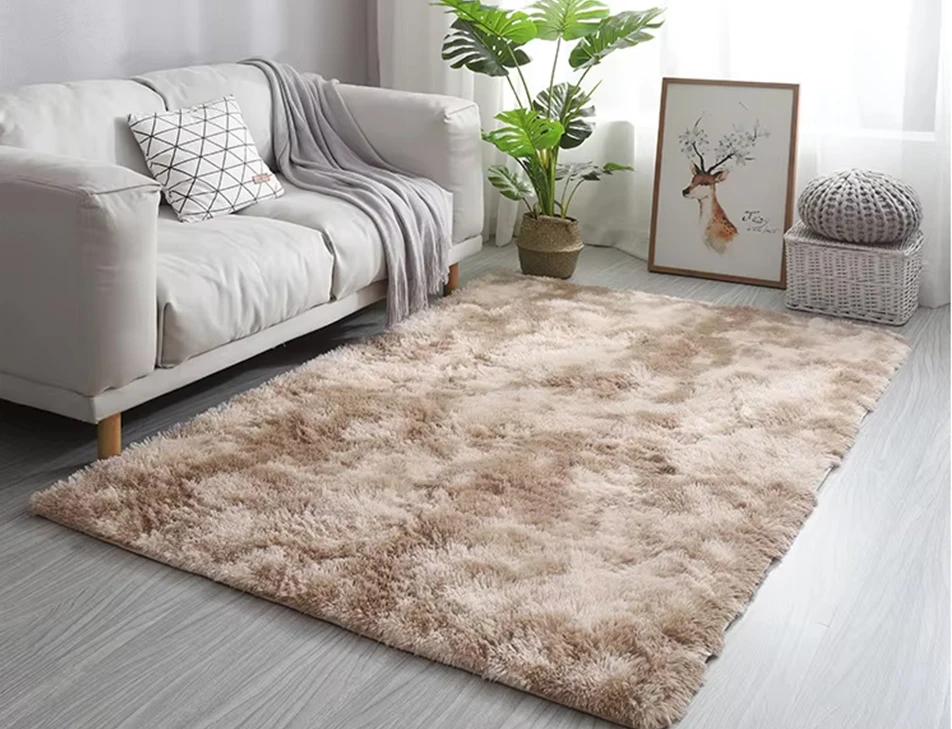
Dark gray faux fur rugs represent a significant segment within the broader home textiles market, functioning as decorative floor coverings offering a combination of aesthetic appeal and tactile comfort. Positioned as an alternative to genuine fur, these rugs address ethical concerns related to animal welfare and offer a more accessible price point. Technically, they are composite materials, consisting of a backing layer, typically jute or polypropylene, and a pile surface constructed from synthetic fibers – primarily polyester or acrylic – processed to mimic the appearance and feel of animal fur. Core performance characteristics encompass pile density, fiber length, colorfastness, and resistance to abrasion and shedding. The industry faces challenges related to achieving realistic fur textures, ensuring durability under high-traffic conditions, and minimizing microplastic shedding during use and laundering. This guide provides a detailed examination of the material science, manufacturing processes, performance criteria, failure modes, and relevant standards associated with dark gray faux fur rugs.
Material Science & Manufacturing
The primary material component of a dark gray faux fur rug is the synthetic fiber used for the pile. Polyester is frequently favored due to its inherent resilience, dyeability, and cost-effectiveness. Acrylic fibers offer a softer hand feel and a closer visual resemblance to natural fur, but generally exhibit lower abrasion resistance. The denier of the fiber – a unit of measurement for linear mass – significantly impacts the texture; lower denier fibers produce a finer, more delicate feel. Coloration is achieved through solution dyeing or yarn dyeing, with solution dyeing offering superior colorfastness. The backing material, usually polypropylene or jute, provides structural integrity. Polypropylene is preferred for its water resistance and mold resistance, while jute offers a more natural fiber content and biodegradability but is susceptible to moisture damage. Manufacturing typically involves tufting or weaving. Tufting involves inserting the fibers into a primary backing material using needles, followed by coating with a secondary backing for enhanced durability. Weaving, while less common for faux fur, creates a more tightly constructed rug. Critical process parameters include needle gauge, stitch rate, yarn tension, and coating weight. Controlling these parameters is vital for achieving desired pile density, consistent fiber height, and minimizing shedding. The 'gray' color is achieved through precise pigment mixing and consistent dye application to ensure uniform shading across the rug’s surface.
Performance & Engineering
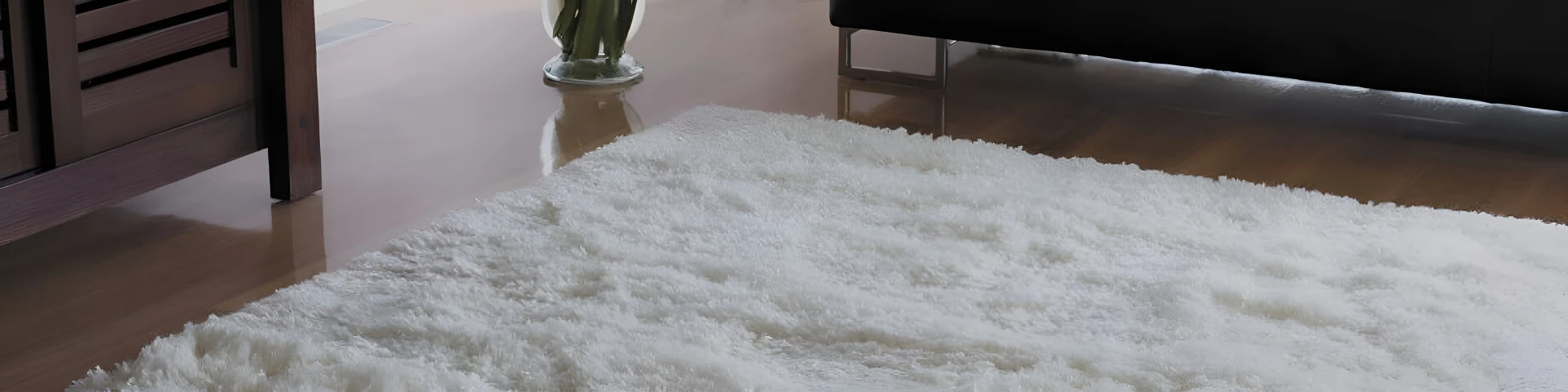
The performance of a dark gray faux fur rug is governed by several engineering considerations. Compressive strength, measured as the force required to compress the pile to a specific density, dictates the rug's resilience and its ability to retain its shape under foot traffic. Pile retention, the ability of the fibers to remain securely anchored in the backing, is crucial for minimizing shedding. This is largely determined by the quality of the tufting or weaving process and the adhesive used in the secondary backing. Abrasion resistance, typically assessed using the Wyzenbeek test (ASTM D4157), determines the rug's ability to withstand wear and tear. Environmental resistance, specifically resistance to UV degradation and moisture, influences the rug’s lifespan and color stability. Polyester exhibits better UV resistance than acrylic. Flammability is another key concern, governed by standards like California Technical Bulletin 117. The rug's construction and the inclusion of flame retardants can significantly impact its fire safety performance. Static electricity buildup can be problematic with synthetic fibers; anti-static treatments are often applied to mitigate this issue. Force analysis reveals that the majority of stress is concentrated on the pile fibers, requiring them to withstand repeated compression and shear forces. Proper fiber selection and secure anchoring are critical for mitigating premature wear.
Technical Specifications
| Parameter | Unit | Typical Value (Polyester Pile) | Typical Value (Acrylic Pile) |
|---|---|---|---|
| Pile Height | mm | 25-50 | 30-60 |
| Pile Density | g/m² | 800-1500 | 600-1200 |
| Fiber Denier | dtex | 100-300 | 80-250 |
| Abrasion Resistance (Wyzenbeek) | Cycles to Wear | 5,000-15,000 | 2,000-8,000 |
| Colorfastness to Light (ISO 105-B02) | Rating (1-8) | 6-7 | 5-6 |
| Water Absorption | % | <0.5 | <1.0 |
Failure Mode & Maintenance
Common failure modes in dark gray faux fur rugs include pile shedding, matting (loss of pile resilience), color fading, and delamination of the backing. Shedding is often exacerbated by low-quality fiber anchoring or excessive abrasion. Matting occurs due to plastic deformation of the fibers under sustained compression. Color fading is primarily caused by UV exposure, particularly with acrylic fibers. Delamination results from a weakening of the adhesive bond between the pile and the backing, often due to prolonged exposure to moisture or mechanical stress. Oxidation of the synthetic fibers can also occur over time, leading to brittleness and discoloration. Maintenance recommendations include regular vacuuming with a suction-only nozzle to remove loose debris and prevent matting. Spot cleaning with a mild detergent and water is recommended for spills. Avoid harsh chemicals or abrasive cleaners, as these can damage the fibers. Professional cleaning is advisable for deep cleaning and stain removal. To mitigate shedding, avoid vigorous agitation and excessive foot traffic. Rotation of the rug can help distribute wear evenly. Protecting the rug from direct sunlight can minimize color fading. Storing the rug in a dry, well-ventilated area when not in use can prevent mold and mildew growth.
Industry FAQ
Q: What is the primary difference between polyester and acrylic faux fur, and how does this impact its suitability for high-traffic areas?
A: Polyester generally offers superior abrasion resistance and resilience compared to acrylic. This means polyester faux fur rugs will maintain their appearance and structural integrity for a longer period in high-traffic areas. Acrylic provides a softer feel but is more prone to wear, matting, and shedding under similar conditions. Therefore, polyester is the preferred choice for areas with frequent foot traffic.
Q: How can I minimize microplastic shedding from a faux fur rug?
A: Microplastic shedding is a growing concern with synthetic textiles. Regular vacuuming with a HEPA filter vacuum cleaner can capture loose microfibers. Washing the rug in a garment bag designed to trap microplastics can also help. Choosing rugs with tightly woven or tufted piles and avoiding harsh washing detergents can also reduce shedding. Research into biodegradable synthetic fiber alternatives is ongoing.
Q: What flammability standards apply to faux fur rugs, and what fire safety features should I look for?
A: Faux fur rugs are typically subject to flammability standards such as California Technical Bulletin 117 (for residential use) and NFPA 701 (for commercial use). Look for rugs that are treated with flame retardants. However, it's important to note that flame retardant treatments can sometimes have environmental or health concerns. Consider rugs made with inherently flame-resistant fibers, such as modacrylic, as an alternative.
Q: How does the backing material influence the overall performance and durability of the rug?
A: The backing material provides structural support and helps prevent delamination. Polypropylene backings are more water-resistant and mold-resistant, making them suitable for damp environments. Jute backings are more breathable and biodegradable but are susceptible to moisture damage and decay. The quality of the adhesive used to bond the pile to the backing is also critical for durability.
Q: What steps can be taken to restore a matted faux fur rug?
A: Gently brushing the pile with a soft-bristled brush can help restore some of the fluffiness to a matted rug. Applying a light mist of water followed by brushing can also help to re-fluff the fibers. In some cases, a specialized rug revitalizing spray may be beneficial. However, severely matted rugs may not be fully restored.
Conclusion
Dark gray faux fur rugs represent a complex intersection of textile engineering, material science, and aesthetic design. Their performance characteristics are dictated by the careful selection of synthetic fibers, the intricacies of the manufacturing process, and adherence to relevant industry standards. Understanding the potential failure modes – including shedding, matting, and delamination – is crucial for informed procurement and proper maintenance.
Future development in this sector will likely focus on improving the sustainability of materials, reducing microplastic shedding, and enhancing the durability and resilience of faux fur fibers. Advancements in fiber technology, such as the development of biodegradable synthetic alternatives and more robust fiber anchoring methods, will play a key role in shaping the future of this product category.