

dark gray fur rug Performance Analysis
Introduction
Dark gray fur rugs represent a significant segment within the broader decorative floor covering industry. Positioned as a premium aesthetic choice, these rugs utilize synthetic or natural fibers processed to mimic the appearance and texture of animal fur. Technically, they are composite materials designed for both visual appeal and tactile comfort. The core performance characteristics revolve around pile density, fiber resilience, and colorfastness. A key differentiating factor lies in the manufacturing process which impacts durability, shedding, and resistance to matting. Their application spans residential interiors, boutique hospitality spaces, and increasingly, staged commercial displays where a luxurious aesthetic is desired. Understanding the materials, construction, and potential failure modes is crucial for procurement managers seeking long-term value and minimal lifecycle costs.
Material Science & Manufacturing
The vast majority of dark gray fur rugs are not constructed from genuine animal fur due to cost and ethical concerns. Instead, they rely on synthetic fibers – primarily polyester, polypropylene, and acrylic – to replicate the look and feel. Polyester offers good stain resistance and color retention, but lower resilience compared to polypropylene. Polypropylene is exceptionally durable and resists moisture, making it suitable for higher-traffic areas, however, it is prone to oil-based staining. Acrylic provides a softer, more luxurious feel but can pill over time. The dyeing process to achieve the dark gray shade is critical; disperse dyes are commonly used for polyester, while pigment dyes are favored for polypropylene. The backing materials typically consist of jute, felt, or synthetic latex applied to a woven or non-woven fabric.
Manufacturing involves several key stages. Fiber extrusion dictates the denier (fiber thickness) and crimp – parameters affecting pile density and softness. The fibers are then tufted or woven into a primary backing. Tufting involves inserting fibers through the backing, secured with latex adhesive. Weaving interlocks the fibers directly within the backing structure, offering higher density and durability. Following this, a secondary backing is applied for structural integrity and cushioning. Shearing and brushing processes define the pile height and create the desired fur-like texture. Crucially, parameter control during latex application (temperature, viscosity, coat weight) directly impacts the rug’s long-term stability and resistance to delamination. Quality control includes rigorous testing for colorfastness to light and washing, pile retention, and resistance to abrasion, often employing Martindale abrasion testing.

Performance & Engineering
The performance of a dark gray fur rug is governed by several engineering considerations. Pile density (measured in ounces per square yard or grams per square meter) dictates the perceived softness and underfoot comfort. Higher density generally equates to better resilience and longevity, though it also impacts cost. Fiber height influences the aesthetic appeal and cleaning requirements. Longer piles provide a more luxurious look but are more susceptible to matting and trapping debris. The backing material provides dimensional stability and resistance to warping. Force analysis, particularly compressive stress analysis, is critical to assess how the rug responds to foot traffic and furniture loads.
Environmental resistance is paramount. Colorfastness to UV exposure is assessed using the Blue Scale rating (1-8, with 8 being the highest). Resistance to moisture absorption is crucial to prevent mold and mildew growth, particularly in humid environments. The flammability of the rug is regulated by standards like the Federal Flammability Standard DOC-FF 1-70, requiring testing for burning rate and char length. Compliance requirements also include VOC emissions testing (Volatile Organic Compounds) to ensure the rug doesn’t off-gas harmful chemicals, addressed by standards like CARB (California Air Resources Board) Section 93120. The structural integrity of the backing material determines the rug's ability to withstand repeated stress without delamination. Proper edge finishing (serging, binding) prevents unraveling and enhances durability.
Technical Specifications
| Parameter | Polyester Fur Rug | Polypropylene Fur Rug | Acrylic Fur Rug | Typical Range |
|---|---|---|---|---|
| Pile Material | 100% Polyester | 100% Polypropylene | 100% Acrylic | Polyester, Polypropylene, Acrylic, Blends |
| Pile Height (mm) | 30-60 | 30-50 | 40-70 | 25-80 |
| Pile Density (g/m²) | 800-1500 | 1000-2000 | 600-1200 | 600-2500 |
| Backing Material | Jute/Latex | Synthetic Latex | Felt/Latex | Jute, Felt, Synthetic Latex, PVC |
| Colorfastness to Light (Blue Scale) | 6-7 | 7-8 | 5-6 | 5-8 |
| Abrasion Resistance (Martindale Cycles) | 10,000-20,000 | 20,000-30,000 | 8,000-15,000 | 8,000-30,000 |
Failure Mode & Maintenance
Dark gray fur rugs are susceptible to several failure modes. Shedding is a common initial issue, particularly with lower-quality rugs, resulting from loose fibers dislodging during use. Matting occurs in high-traffic areas as the pile fibers become compressed and lose their resilience. Delamination, the separation of the pile from the backing, is a significant long-term failure, often caused by substandard latex application or repeated moisture exposure. Oxidation of polypropylene fibers can lead to brittleness and discoloration over time, especially with prolonged UV exposure. Crushing of the pile can occur due to heavy furniture or concentrated loads. Oil-based stains are particularly difficult to remove from polypropylene rugs.
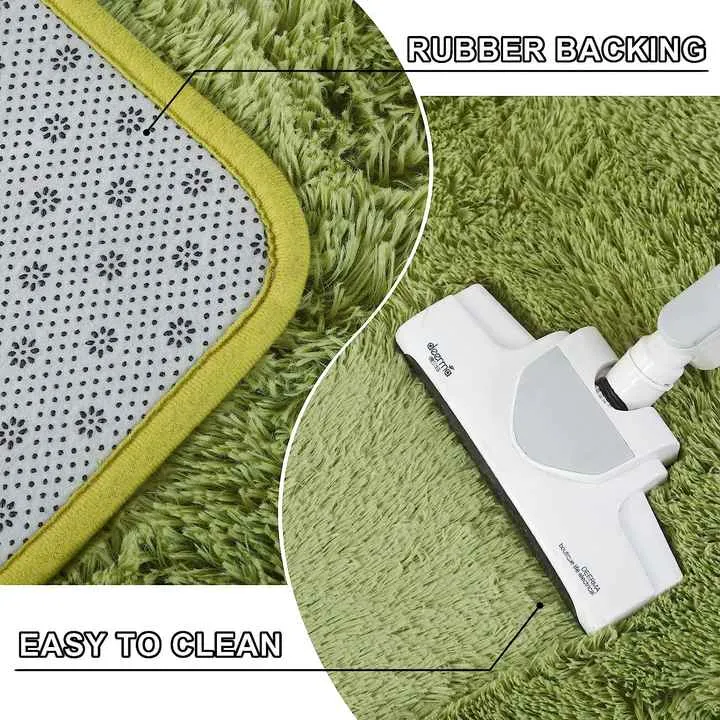
Preventative maintenance is crucial. Regular vacuuming (2-3 times per week) with a suction-only vacuum cleaner (avoid beater bars) minimizes shedding and debris accumulation. Spot cleaning with a mild detergent and water is recommended for spills; avoid harsh chemicals. Professional cleaning every 12-18 months can restore pile loft and remove deeply embedded dirt. Rotation of the rug (180 degrees) helps distribute wear evenly. Avoid prolonged direct sunlight exposure to minimize color fading and oxidation. For delamination, repair options are limited; re-gluing the pile is often ineffective, and replacement is typically the most practical solution. Utilizing rug pads provides cushioning, prevents slippage, and protects both the rug and the underlying floor.
Industry FAQ
Q: What is the primary difference between a polyester and polypropylene fur rug in terms of stain resistance?
A: While both offer reasonable stain resistance, polypropylene exhibits superior resistance to most aqueous-based stains. However, polypropylene is vulnerable to oil-based stains which can be extremely difficult to remove. Polyester, conversely, resists oil-based stains better but is more susceptible to water-based stains and can absorb liquids more readily.
Q: How does pile height affect the maintenance requirements of a dark gray fur rug?
A: Longer pile heights (above 50mm) provide a more luxurious aesthetic but require more frequent and thorough vacuuming to prevent matting and debris buildup. They are also more challenging to spot clean effectively. Shorter pile heights are easier to maintain and are less prone to trapping dirt, but may lack the same level of plushness.
Q: What are the implications of choosing a rug with a jute backing versus a synthetic latex backing?
A: Jute backings are more eco-friendly but less durable and prone to moisture absorption, potentially leading to mold growth. Synthetic latex backings offer superior durability, moisture resistance, and dimensional stability. However, some latex formulations may contain VOCs, requiring careful consideration of emissions standards.
Q: How important is colorfastness testing, and what does the Blue Scale rating signify?
A: Colorfastness testing is critically important to ensure the rug maintains its color over time, particularly with exposure to sunlight. The Blue Scale rating (1-8) quantifies the degree of color change after exposure to standardized light sources. A higher rating (7-8) indicates excellent colorfastness, while a lower rating suggests significant fading is likely.
Q: What is the typical lifespan of a well-maintained dark gray fur rug, and what factors contribute to its longevity?
A: A well-maintained dark gray fur rug can last between 5-10 years, depending on traffic levels, fiber type, and maintenance practices. Factors contributing to longevity include high pile density, durable backing material, resistance to UV degradation, proper vacuuming and cleaning, and avoidance of harsh chemicals or excessive moisture.
Conclusion
Dark gray fur rugs represent a complex interplay of material science, manufacturing processes, and engineering principles. Understanding the nuances of fiber selection, backing construction, and performance characteristics is crucial for informed procurement. While offering a desirable aesthetic, these rugs are susceptible to specific failure modes such as shedding, matting, and delamination. Proactive maintenance and adherence to industry standards regarding flammability and VOC emissions are paramount to maximizing the rug’s lifespan and ensuring long-term value.
Future developments in this sector may focus on bio-based synthetic fibers, improved latex formulations with reduced VOCs, and innovative backing materials offering enhanced durability and moisture resistance. The trend towards sustainable materials and eco-friendly manufacturing processes will likely drive further innovation in the dark gray fur rug industry, demanding increased transparency and traceability throughout the supply chain. The integration of smart textiles with embedded sensors for monitoring wear and tear represents another potential avenue for future development.