

dark teal faux fur rug Technical Analysis
Introduction
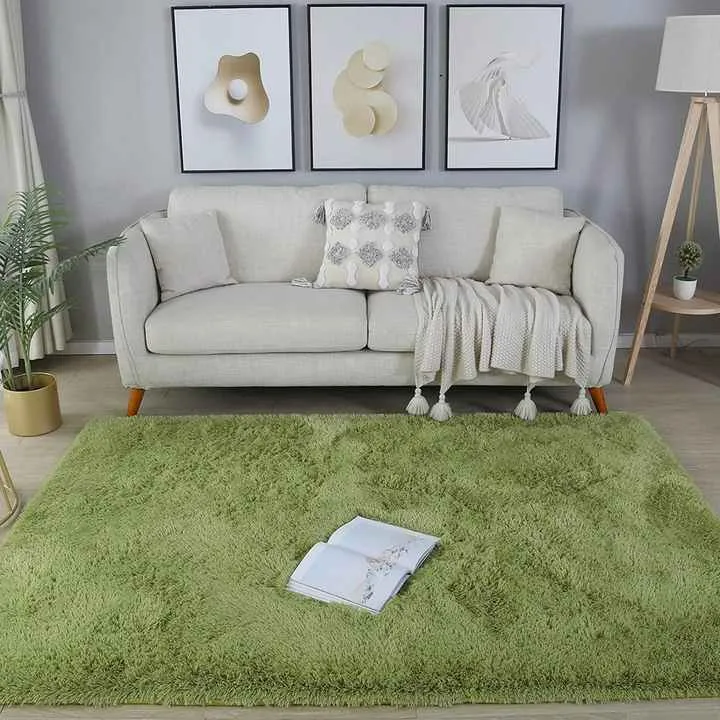
Dark teal faux fur rugs represent a significant segment within the broader decorative textile market, serving as both functional floor coverings and aesthetic elements in residential and commercial spaces. These rugs are characterized by their plush texture, vibrant color, and inherent cost-effectiveness compared to genuine fur products. The manufacturing process involves the creation of synthetic fibers mimicking the appearance and feel of animal fur, typically utilizing polyester or acrylic materials. Their position in the supply chain spans raw material production (polymer synthesis), fiber extrusion, knitting or weaving, dyeing, and final finishing processes. Core performance characteristics include pile height, density, colorfastness, and resistance to wear and tear. This guide provides an in-depth technical analysis of dark teal faux fur rugs, covering material science, manufacturing techniques, performance parameters, potential failure modes, and relevant industry standards.
Material Science & Manufacturing
The primary material constituting dark teal faux fur rugs is typically a synthetic polymer – most commonly polyester (polyethylene terephthalate – PET) or acrylic (polyacrylonitrile). Polyester offers excellent durability, resilience, and color retention, while acrylic provides a softer hand feel and a closer approximation to natural fur. The color, dark teal, is achieved through the incorporation of specific dyes during the fiber extrusion process. Raw materials are sourced from petrochemical industries, undergoing polymerization to create the polymer resin. This resin is then melted and extruded through spinnerets to form continuous filaments. These filaments are subsequently drawn (stretched) to increase their tensile strength and oriented to improve their dimensional stability. Manufacturing involves two primary methods: knitting and weaving. Knitting produces a looser pile with a more casual appearance, while weaving results in a denser, more structured pile. After formation, the rug undergoes dyeing, typically using solution dyeing (dyeing the fibers before weaving or knitting) or piece dyeing (dyeing the finished rug). Key parameters controlled during manufacturing include denier (fiber thickness), crimp frequency (influencing pile texture), and dye concentration (affecting color consistency and depth). Pile height is regulated by loop length during knitting or weaving. Backing materials, typically polypropylene or jute, are applied using adhesive bonding to provide structural integrity and prevent slippage.
Performance & Engineering
The performance of a dark teal faux fur rug is governed by several engineering principles. Pile density and height directly influence its pressure distribution characteristics, impacting comfort underfoot. Higher pile density generally correlates with increased support and cushioning. Tensile strength, determined by the polymer composition and fiber orientation, dictates the rug's resistance to tearing and deformation. Environmental resistance, specifically concerning moisture and UV exposure, is crucial for longevity. Polyester demonstrates superior resistance to moisture absorption compared to acrylic, reducing the risk of mildew growth. However, prolonged UV exposure can lead to color fading in both materials. The backing material’s tensile strength and adhesion strength contribute significantly to overall structural integrity. Compliance requirements vary geographically. Flammability testing (e.g., DOC-FF1-70) is often mandated to ensure the rug meets safety standards. Force analysis involves assessing the rug’s resistance to compression, shear, and bending forces. Static load testing determines the rug’s ability to support weight without permanent deformation. Abrasion resistance is assessed using methods like the Wyzenbeek abrasion test, quantifying the rug’s durability under repeated rubbing. Colorfastness to light and washing is evaluated using standardized tests to predict color degradation over time. The backing material also plays a crucial role in preventing dimensional changes and maintaining shape stability.
Technical Specifications
| Parameter | Polyester Faux Fur | Acrylic Faux Fur | Unit |
|---|---|---|---|
| Pile Height | 20-50 | 25-60 | mm |
| Pile Density | 800-1500 | 600-1200 | g/m² |
| Tensile Strength (Warp) | 200-300 | 150-250 | N/5cm |
| Tensile Strength (Weft) | 180-280 | 120-220 | N/5cm |
| Colorfastness to Light (Rating 1-5) | 4-5 | 3-4 | - |
| Moisture Absorption | <0.5 | 1-2 | % |
Failure Mode & Maintenance
Dark teal faux fur rugs are susceptible to several failure modes. Matting and crushing of the pile are common due to prolonged compression and foot traffic. This is exacerbated by lower pile densities and inadequate backing support. Fiber shedding is inherent to the manufacturing process and continues with use, particularly in lower-quality rugs. Color fading can occur due to prolonged exposure to ultraviolet radiation, especially in acrylic fibers. Delamination of the backing material is a critical failure mode, leading to structural instability and potential safety hazards. This can result from inadequate adhesive bonding or degradation of the adhesive over time. Stain retention, particularly from oil-based substances, can occur if the fibers are not treated with a stain-resistant finish. Oxidation of the polymer fibers can lead to brittleness and cracking over extended periods, though this is less common with modern polymers. Maintenance involves regular vacuuming to remove loose fibers and debris. Spot cleaning with a mild detergent is recommended for spills. Avoid harsh chemicals and excessive moisture. Professional cleaning is advised for deep cleaning and stain removal. Periodically rotating the rug can help distribute wear evenly. Avoid direct sunlight exposure to minimize color fading. Repairing delamination requires re-bonding the backing material, often necessitating professional intervention.
Industry FAQ
Q: What is the primary difference between polyester and acrylic faux fur in terms of long-term durability?
A: Polyester generally exhibits superior abrasion resistance and resilience compared to acrylic. While acrylic provides a softer feel initially, polyester retains its structural integrity and pile height for a longer duration under consistent foot traffic and wear. Polyester is also less prone to pilling and fiber breakage.
Q: How does the backing material influence the overall performance of the rug?
A: The backing material provides crucial structural support, preventing slippage and contributing to the rug's dimensional stability. A high-quality backing (e.g., polypropylene with a durable adhesive) resists tearing, delamination, and distortion. The backing’s weight and construction directly impact the rug's resistance to crushing and deformation.
Q: What are the recommended cleaning procedures to maintain the color and texture of a dark teal faux fur rug?
A: Regular vacuuming is essential to remove dirt and debris. Spot cleaning should be performed with a mild detergent and cool water, avoiding harsh chemicals. Avoid excessive moisture, as this can damage the backing and potentially lead to mildew growth. Professional cleaning is recommended for thorough cleaning and stubborn stains. Direct sunlight should be avoided to minimize color fading.
Q: What flammability standards are typically applicable to faux fur rugs?
A: In the US, DOC-FF1-70 is a common flammability standard. Internationally, standards like EN 13501-1 (Europe) and GB/T 17591 (China) may apply, depending on the intended market. These standards assess the rug’s resistance to ignition and the rate of flame spread.
Q: How does the manufacturing process (knitting vs. weaving) affect the rug’s performance characteristics?
A: Weaving typically produces a denser, more durable pile with better shape retention, making it suitable for high-traffic areas. Knitting results in a looser, more plush pile that offers greater comfort but may be less resistant to crushing and wear. The choice depends on the intended application and desired aesthetic.
Conclusion
Dark teal faux fur rugs offer a compelling combination of aesthetic appeal, cost-effectiveness, and relative durability within the floor covering market. Understanding the material science – particularly the characteristics of polyester and acrylic polymers – is crucial for predicting performance and longevity. Manufacturing processes, encompassing fiber extrusion, knitting/weaving, and dyeing, directly influence the final product’s quality and performance attributes. Careful consideration of technical specifications, including pile height, density, and tensile strength, is paramount when selecting a rug for a specific application.
Ongoing advancements in polymer technology and manufacturing techniques continue to improve the performance and sustainability of faux fur rugs. Future developments may focus on bio-based polymers and enhanced stain-resistant finishes. Proper maintenance practices, including regular vacuuming and prompt stain removal, are essential for maximizing the lifespan of these products. Adherence to relevant international standards ensures safety and compliance within the global marketplace.