

double pelt faux fur rug Technical Analysis
Introduction
Double pelt faux fur rugs represent a significant advancement in synthetic floor coverings, designed to mimic the luxurious feel and appearance of genuine animal fur while addressing ethical and cost concerns. Positioned within the broader textile and home furnishings industry, these rugs serve as a decorative and comfort-enhancing product for residential and commercial spaces. Their technical merit lies in the replication of pile density and fiber characteristics found in natural fur, achieving comparable softness, thermal insulation, and aesthetic appeal. Core performance characteristics include durability, stain resistance, ease of cleaning, and hypoallergenic properties, differentiating them from traditional wool or animal hide rugs. The industry addresses growing consumer demand for sustainable and cruelty-free alternatives, creating a specific niche for high-quality faux fur products. This guide provides a detailed technical analysis of double pelt faux fur rugs, covering material composition, manufacturing processes, performance attributes, potential failure modes, and relevant industry standards.
Material Science & Manufacturing
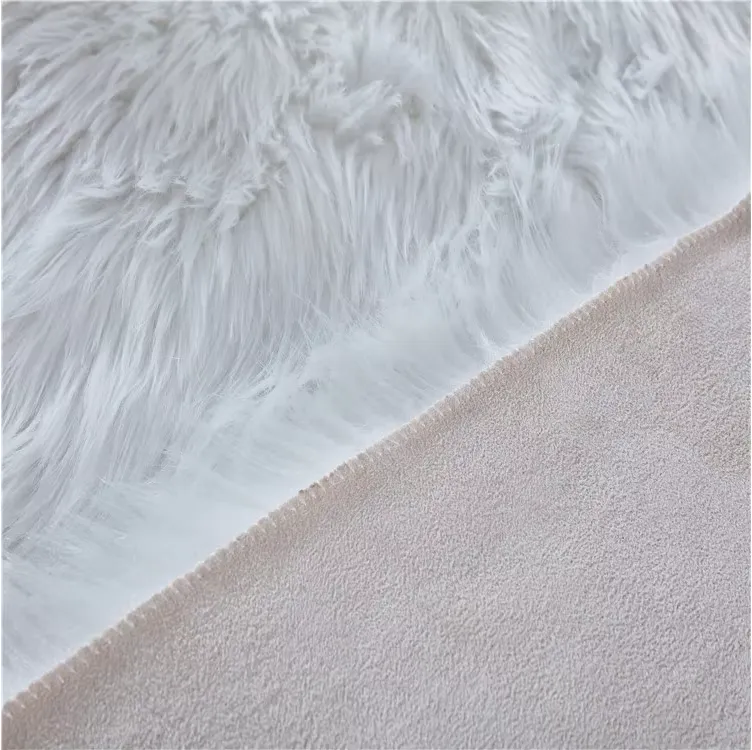
The foundation of a double pelt faux fur rug rests upon two key material components: the backing and the pile fiber. The backing is typically constructed from polypropylene (PP) or polyester (PET) non-woven fabric, chosen for its cost-effectiveness, dimensional stability, and resistance to moisture. Polypropylene offers superior resistance to abrasion and chemicals, while polyester provides better resilience and colorfastness. The pile fiber, responsible for the rug's aesthetic and tactile qualities, traditionally comprises modified acrylic or polyester fibers. Modern advancements utilize microfiber technology, incorporating ultra-fine denier fibers to emulate the softness and texture of natural fur.
Manufacturing involves a multi-stage process. Initially, the backing material undergoes a surface treatment to enhance adhesive bonding. The pile fibers are then meticulously tufted or woven into the backing, creating the desired pile height and density. The “double pelt” designation refers to a manufacturing technique where two layers of pile fiber are incorporated, significantly increasing the rug's thickness and simulating the density of a genuine animal pelt. Following tufting/weaving, the rug undergoes a shearing process to achieve a uniform pile height and refine the overall appearance. A latex or polyurethane coating is applied to the backing for added stability and to prevent fiber shedding. Finally, a finishing process may include dyeing, printing, and anti-static treatments. Critical parameters during manufacturing include fiber denier, pile height, tuft density, yarn twist, and coating application rate. Precise control of these parameters dictates the rug’s final performance characteristics. Fiber crimp significantly influences loft and recovery, while the backing weight contributes to the overall durability.

Performance & Engineering
The performance of a double pelt faux fur rug is governed by a combination of material properties and structural design. Force analysis reveals that the rug's resistance to compression and deformation depends on the pile density and fiber resilience. Higher pile density translates to greater resistance to flattening and improved recovery from foot traffic. The backing material plays a crucial role in resisting tensile stress and preventing delamination. Environmental resistance is a key consideration, particularly concerning UV exposure and temperature fluctuations. Prolonged exposure to ultraviolet radiation can cause fiber degradation and color fading, necessitating the use of UV stabilizers during fiber production. Temperature variations can impact the rug’s dimensional stability; polyester exhibits better thermal stability than acrylic.
Compliance requirements vary depending on the intended application and geographic location. In residential settings, flammability standards (e.g., California Proposition 65) are paramount, requiring the rug to meet specific fire resistance criteria. Commercial applications may demand additional requirements related to stain resistance, slip resistance (ASTM D2047), and wear resistance (ASTM D3884). The rug’s pile structure influences its ability to retain dirt and allergens. Microfiber constructions generally exhibit improved dust-trapping capabilities compared to traditional pile structures. Proper engineering design focuses on maximizing fiber interlocking and minimizing fiber shedding to enhance the rug's longevity and maintain its aesthetic appeal. The rug’s weight per square meter (GSM) is a critical performance indicator, directly correlating to its durability and perceived quality. A higher GSM typically indicates a denser and more robust construction.
Technical Specifications
| Parameter | Units | Typical Value (Low-End) | Typical Value (High-End) |
|---|---|---|---|
| Pile Fiber Material | - | Polyester | Microfiber Acrylic |
| Backing Material | - | Polypropylene (PP) | Polyester (PET) |
| Pile Height | mm | 30 | 60 |
| Pile Density | oz/sq yd | 800 | 1500 |
| Total Weight (GSM) | g/m² | 1200 | 2500 |
| Tensile Strength (Backing) | N/5cm | 150 | 300 |
| Colorfastness to Light | Grade (1-5) | 4 | 6 |
Failure Mode & Maintenance
Double pelt faux fur rugs, while durable, are susceptible to several failure modes. Fatigue cracking can occur in the backing material due to repeated compression and stress from foot traffic, especially in high-traffic areas. Delamination, or separation of the pile from the backing, is a common issue exacerbated by poor adhesive bonding or exposure to moisture. Fiber degradation, primarily caused by UV exposure, leads to discoloration and reduced pile strength. Oxidation of the fibers, particularly in acrylic compositions, can result in brittleness and loss of softness. Another frequent failure is matting – the collapse of the pile fibers leading to a flattened appearance.
Preventative maintenance is crucial for prolonging the rug’s lifespan. Regular vacuuming, employing a brush attachment to lift the pile, removes dirt and debris that contribute to fiber abrasion. Prompt stain removal is essential; using a mild detergent and avoiding harsh chemicals minimizes fiber damage. Rotating the rug periodically ensures even wear distribution. Direct sunlight exposure should be minimized to prevent UV degradation. For significant soiling or matting, professional cleaning is recommended. Avoid excessive steam cleaning, as it can compromise the adhesive bond. In case of delamination, specialized rug repair adhesives can be used to re-bond the pile to the backing, offering a cost-effective alternative to replacement. Regular inspection for wear and tear allows for timely intervention, preventing minor issues from escalating into major failures.
Industry FAQ
Q: What is the primary difference between polyester and acrylic faux fur fibers in terms of longevity?
A: Acrylic fibers generally offer superior resistance to crushing and maintain their loft for a longer period. However, polyester exhibits better resistance to abrasion and degradation from environmental factors such as moisture and mildew. Microfiber polyester blends are increasingly favored for their balance of softness, durability, and cost-effectiveness. The choice depends on the intended use and expected traffic levels.
Q: How does the backing material impact the rug's overall performance and cost?
A: The backing provides structural integrity and prevents delamination. Polypropylene is more economical and offers good abrasion resistance, while polyester provides better resilience and dimensional stability. Heavier-weight backings generally contribute to increased durability but also increase the rug's cost.
Q: What testing standards are relevant for assessing the flammability of faux fur rugs?
A: Key standards include California Proposition 65 (for residential use) and various national fire safety regulations. These tests evaluate the rug's resistance to ignition, flame spread, and smoke development. Compliance with these standards is crucial for product safety and market access.
Q: What is the effect of pile height and density on the rug's comfort and maintenance requirements?
A: Higher pile height generally equates to increased softness and a more luxurious feel. However, higher piles also tend to trap more dirt and require more frequent and thorough vacuuming. Higher pile density contributes to improved resilience and recovery, reducing matting but potentially making the rug more challenging to clean.
Q: How can I mitigate the risk of fiber shedding in a new faux fur rug?
A: Initial fiber shedding is common in new rugs. Regular vacuuming during the first few weeks helps remove loose fibers. Applying a rug protector spray can help encapsulate the fibers and reduce shedding. Avoiding excessive agitation and using a gentle vacuum setting are also recommended.
Conclusion
Double pelt faux fur rugs offer a compelling alternative to traditional floor coverings, delivering aesthetic appeal, comfort, and ethical sourcing. Their performance characteristics are intrinsically linked to material selection, manufacturing precision, and adherence to relevant industry standards. Understanding the interplay between fiber properties, backing construction, and environmental factors is critical for optimizing rug durability and lifespan. The continuous development of microfiber technologies and innovative manufacturing processes promises further improvements in the quality, performance, and sustainability of these products.
Future innovations will likely focus on enhancing stain resistance, reducing fiber shedding, and incorporating recycled materials into both the pile and backing constructions. Furthermore, advancements in UV stabilization techniques will mitigate fiber degradation and extend the rug’s aesthetic appeal. The growing demand for eco-friendly and cruelty-free home furnishings positions double pelt faux fur rugs for continued growth and market acceptance, solidifying their role as a versatile and technically advanced flooring solution.