


emerald green faux fur rug Performance Analysis
Introduction
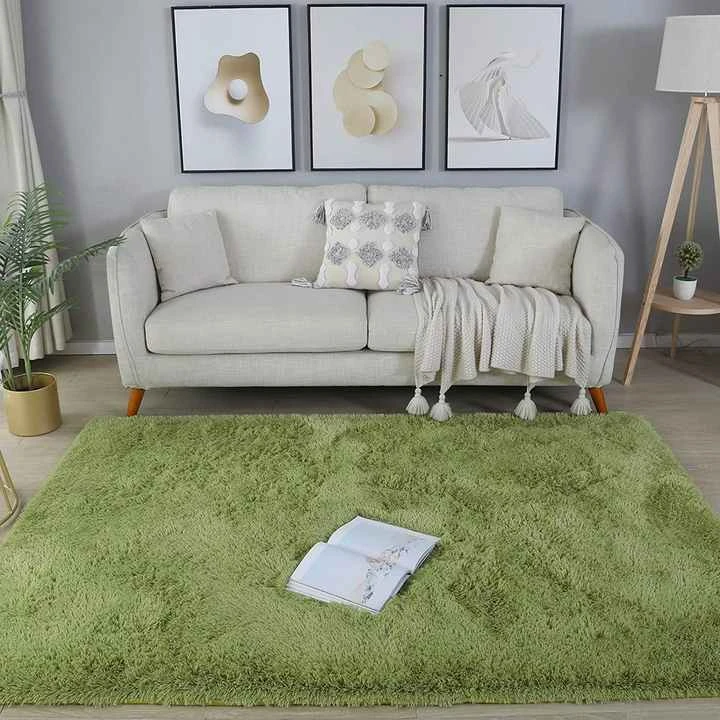
Emerald green faux fur rugs represent a significant segment within the decorative textile market, positioned as a cost-effective and ethically sourced alternative to genuine fur. Their utilization spans residential interiors, commercial spaces (photography backdrops, event staging), and increasingly, specialized applications demanding soft, non-abrasive surfaces. This technical guide provides a comprehensive analysis of the materials, manufacturing processes, performance characteristics, potential failure modes, and relevant industry standards pertaining to emerald green faux fur rugs, targeting procurement managers, quality control engineers, and interior design professionals. Core performance attributes include pile density, fiber composition, colorfastness, and durability, all crucial factors influencing longevity and aesthetic appeal. The rising demand for vegan and cruelty-free products drives continued innovation in faux fur production, with a focus on enhanced realism, improved texture, and sustainable manufacturing practices.
Material Science & Manufacturing
The primary raw material in emerald green faux fur rugs is typically a synthetic polymer, most commonly polyester (polyethylene terephthalate – PET) or acrylic (polyacrylonitrile). Polyester offers superior durability, resilience, and resistance to crushing, while acrylic provides a softer hand feel and greater resemblance to natural fur. The emerald green coloration is achieved through mass pigmentation of the polymer melt during extrusion or, alternatively, through dyeing processes applied to the finished fiber. Manufacturing commences with polymer pellet production, followed by fiber extrusion. This extrusion process utilizes spinnerets to form continuous filaments, which are then crimped to create texture. The crimped fibers are subsequently attached to a backing material—typically polypropylene or jute—using a tufting or weaving process. Tufting involves inserting fiber bundles into the backing, followed by latex adhesive application to secure the fibers. Weaving creates a more robust, interlocked structure. Critical process parameters include extrusion temperature (250-280°C for polyester, 220-250°C for acrylic), fiber denier (typically 1-5 denier for softness), pile height (ranging from 25mm to 75mm), and latex adhesive viscosity. Maintaining consistent fiber denier and pile height is vital for achieving uniform pile density and aesthetic quality. Post-manufacturing processes involve shearing to achieve the desired pile length and density, brushing to enhance softness, and quality control inspection for defects.
Performance & Engineering
The performance of an emerald green faux fur rug is governed by several key engineering principles. Pile density directly correlates to the rug’s thermal insulation properties and perceived luxuriousness. Higher pile densities (measured in ounces per square yard or grams per square meter) trap more air, increasing R-value – a measure of thermal resistance. Fiber tensile strength is crucial for resisting wear and tear from foot traffic. Polyester fibers generally exhibit higher tensile strength than acrylic fibers. Colorfastness, determined by exposure to light (AATCC 163) and washing (AATCC 107), is paramount for maintaining the vibrancy of the emerald green hue. UV degradation can lead to fading, especially with prolonged exposure to sunlight. The backing material contributes significantly to dimensional stability and prevents stretching or warping. Force analysis reveals that the rug's ability to withstand compression and rebound is determined by the fiber properties and backing rigidity. Compliance requirements vary based on intended use; rugs intended for children’s rooms must meet flammability standards (e.g., California Proposition 65) and contain non-toxic dyes. Furthermore, the rug’s slip resistance, assessed through ASTM D2047, is critical for preventing falls, especially on smooth flooring surfaces. Environmental resistance considerations include moisture absorption, mold growth potential, and resistance to common household cleaning agents.
Technical Specifications
| Parameter | Polyester Faux Fur | Acrylic Faux Fur | Polypropylene Backing |
|---|---|---|---|
| Fiber Composition | 100% Polyester | 100% Acrylic | 100% Polypropylene |
| Pile Height (mm) | 25-60 | 30-75 | N/A |
| Pile Density (g/m²) | 800-1800 | 600-1500 | N/A |
| Tensile Strength (MPa) | 60-80 | 40-60 | 20-30 |
| Colorfastness to Light (AATCC 163) | Grade 4-5 | Grade 3-4 | N/A |
| Moisture Absorption (%) | 0.5-1.0 | 1.5-2.5 | 0.1-0.3 |
| Flammability (ASTM D2859) | Class 1 | Class 1 | Class 1 |
Failure Mode & Maintenance
Emerald green faux fur rugs are susceptible to several failure modes. Matting and crushing of the pile occur due to prolonged compression from foot traffic, reducing thermal insulation and aesthetic appeal. Fiber shedding is common, particularly in lower-quality rugs, resulting from inadequate fiber anchorage in the backing. Color fading, as previously noted, is caused by UV exposure and can be exacerbated by improper cleaning agents. Latex adhesive degradation leads to fiber loosening and eventual pile loss, often manifesting as areas of thinning. Delamination—separation of the pile from the backing—is a critical failure mode resulting from adhesive failure. Oxidation of the polymer fibers, especially acrylic, can cause brittleness and cracking over time. Maintenance practices significantly influence rug longevity. Regular vacuuming (using a brush attachment) removes dust and debris, preventing matting. Spot cleaning with a mild detergent and water is recommended for spills. Avoid harsh chemicals and excessive moisture. Professional cleaning is advisable every 12-18 months to restore pile loft and remove embedded dirt. To mitigate UV degradation, consider placing the rug away from direct sunlight or using window coverings. Rotating the rug periodically distributes wear evenly and prolongs its lifespan. For latex degradation, careful and gentle cleaning is essential, avoiding excessive rubbing.
Industry FAQ
Q: What is the primary difference between polyester and acrylic faux fur in terms of durability and cost?
A: Polyester faux fur generally exhibits superior durability and resistance to crushing compared to acrylic faux fur, resulting in a longer lifespan. However, acrylic often provides a softer, more realistic hand feel, mimicking the texture of genuine fur more closely. Consequently, acrylic faux fur is typically more expensive than polyester variants, though price fluctuations are dependent on fiber denier and pile density.
Q: How does the backing material impact the overall performance and longevity of the rug?
A: The backing material plays a crucial role in dimensional stability, preventing stretching and warping. Polypropylene backings offer excellent moisture resistance and are cost-effective. Jute backings provide natural breathability but are more susceptible to moisture damage. A robust backing is essential for securely anchoring the fibers, minimizing shedding and delamination.
Q: What flammability standards are relevant for faux fur rugs intended for residential use?
A: For residential use in the US, California Proposition 65 is a key regulation regarding the presence of harmful chemicals in consumer products, including dyes. ASTM D2859 provides a standardized test method for assessing the flammability of pile fabrics. Compliance with these standards is critical for ensuring consumer safety.
Q: How can I prevent color fading due to UV exposure?
A: Minimizing direct sunlight exposure is the most effective preventive measure. Employing window coverings, such as curtains or blinds, can significantly reduce UV radiation reaching the rug. Alternatively, consider rotating the rug periodically to distribute UV exposure evenly. UV protectant sprays can also be applied, but their effectiveness varies.
Q: What cleaning agents are safe to use on an emerald green faux fur rug without causing discoloration or damage?
A: A mild detergent diluted in cool water is recommended for spot cleaning. Avoid harsh chemicals, bleach, or solvents, as these can damage the fibers and cause discoloration. Always test the cleaning solution on an inconspicuous area of the rug before applying it to a larger area. Excessive moisture should be avoided to prevent mold growth.
Conclusion
Emerald green faux fur rugs represent a sophisticated blend of aesthetic appeal, cost-effectiveness, and ethical sourcing. Understanding the intricacies of their material science, manufacturing processes, and performance characteristics is crucial for informed procurement and long-term maintenance. The interplay between fiber composition (polyester vs. acrylic), pile density, backing material, and dyeing techniques dictates the rug’s durability, colorfastness, and overall quality.
Continued innovation in polymer technology and manufacturing processes will undoubtedly lead to even more realistic, sustainable, and high-performing faux fur rugs in the future. Prioritizing adherence to industry standards (ASTM, AATCC) and implementing proper maintenance practices will maximize the lifespan and aesthetic value of these increasingly popular decorative textiles.