

extra soft faux fur mat Performance Analysis
Introduction
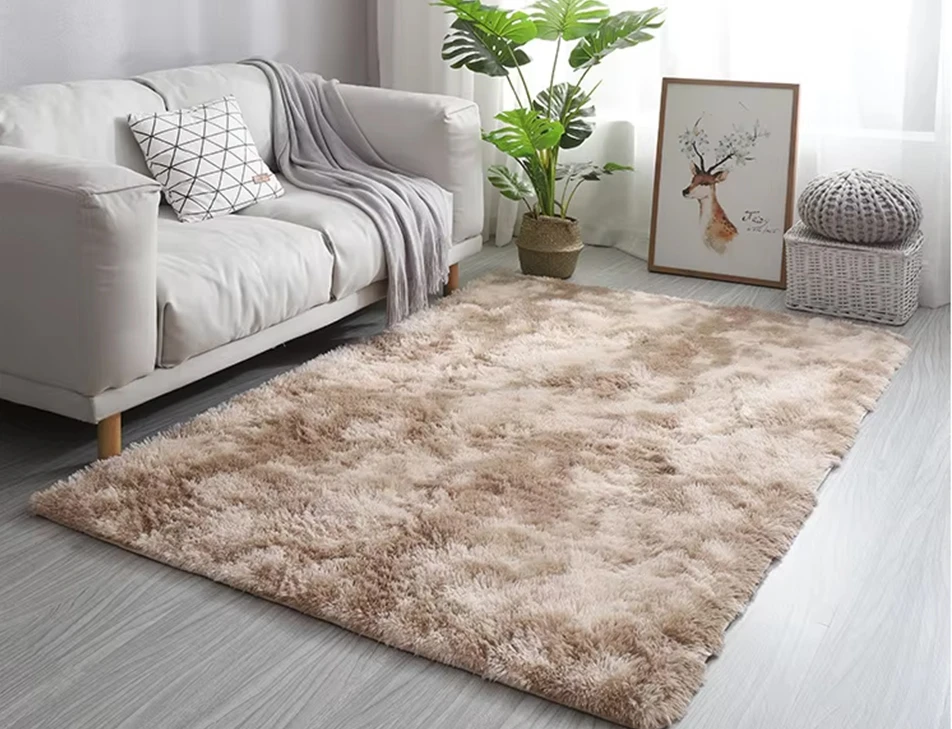
Extra soft faux fur mats represent a significant advancement in indoor comfort and aesthetic applications. Positioned within the broader textile and flooring industry, these mats serve as a non-woven floor covering designed to mimic the luxurious feel of animal fur while offering superior practicality and ethical sourcing. Their core performance attributes center on providing cushioning, thermal insulation, and a visually appealing surface. Unlike natural fur, faux fur is manufactured, allowing for controlled properties such as pile height, density, and colorfastness. The industry faces increasing demand for sustainable and hypoallergenic flooring solutions, and extra soft faux fur mats directly address these concerns. The primary challenges involve balancing cost-effectiveness with durability, maintaining consistent fiber quality, and ensuring compliance with flammability and VOC emission standards. This guide details the material science, manufacturing processes, performance characteristics, failure modes, and industry standards governing these products.
Material Science & Manufacturing
The foundation of extra soft faux fur mats lies in synthetic polymer fibers, predominantly polypropylene (PP) and polyester (PET). Polypropylene is favored for its inherent softness, low cost, and resistance to moisture, while polyester offers improved resilience, color retention, and resistance to abrasion. The fibers themselves are typically produced via melt spinning, where the polymer is heated and extruded through spinnerets to create continuous filaments. These filaments undergo texturing – crimping or looping – to enhance bulk and tactile properties. The backing material is crucial for structural integrity. Common options include: felt (typically needle-punched nonwoven polyester or polypropylene), latex foam, and thermoplastic elastomers (TPE). Latex provides good cushioning and affordability but can exhibit degradation over time. TPE offers superior durability and resistance to compression set. Manufacturing involves several key steps: fiber preparation (spinning, texturing, dyeing), nonwoven fabric formation (needle punching, thermal bonding), backing application (latex coating, TPE extrusion), and finishing (shearing, brushing to achieve desired pile height and density). Parameter control during these processes is paramount. Precise temperature regulation during melt spinning affects fiber diameter and tensile strength. Consistent pressure during needle punching impacts fabric density and uniformity. Proper curing of latex or TPE backings is essential for adhesion and durability. Dyeing processes utilize specialized formulations to ensure colorfastness and avoid fiber damage. Chemical compatibility between the fiber, backing, and adhesives is a critical consideration to prevent delamination or degradation.
Performance & Engineering
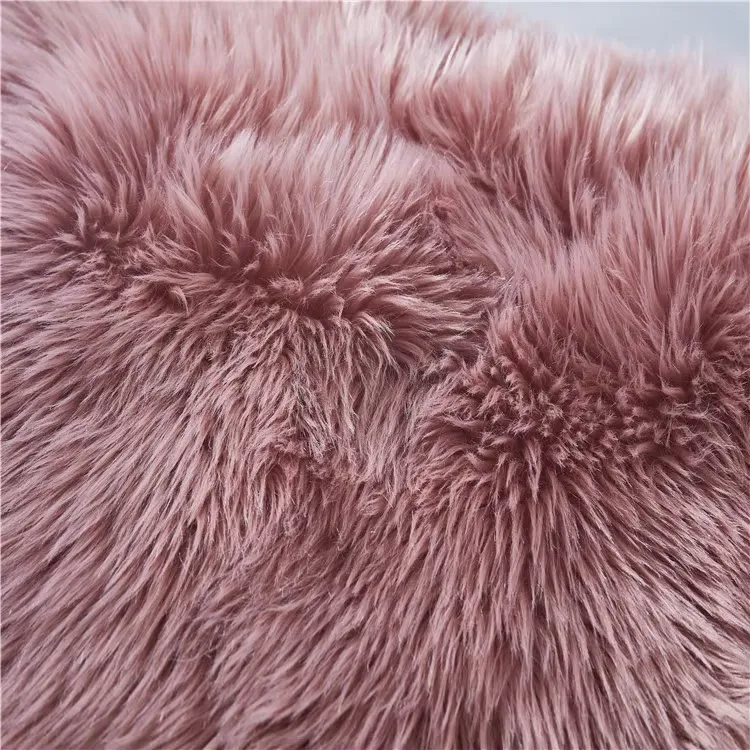
Performance evaluation of extra soft faux fur mats centers around several key engineering properties. Compressive strength and resilience determine the mat’s ability to withstand repeated foot traffic and recover its shape. Pile density (weight per unit area – typically measured in gsm) correlates directly with cushioning and thermal insulation. Tensile strength (both longitudinal and transverse) indicates resistance to tearing and pulling forces. Environmental resistance is a critical factor. Exposure to UV radiation can cause fiber degradation and color fading. Moisture absorption affects weight, dimensional stability, and susceptibility to mildew growth. Flammability is a paramount safety concern, necessitating adherence to strict fire safety standards (see Section 7). Force analysis is used to model the stress distribution under load, optimizing backing material selection and fiber density for durability. Coefficient of friction is important for slip resistance. Engineering considerations also include the mat’s dimensional stability—its resistance to shrinkage or expansion due to temperature or humidity changes. Compliance requirements vary by region. In the US, the Consumer Product Safety Improvement Act (CPSIA) regulates lead and phthalate content. In Europe, REACH regulations restrict the use of hazardous substances. The backing material’s load-bearing capacity and its resistance to cracking or delamination are critical to long-term performance. The mat’s overall thickness and pile height impact its effectiveness as a thermal barrier and noise reducer.
Technical Specifications
| Parameter | Unit | Typical Range (Low-End Product) | Typical Range (High-End Product) |
|---|---|---|---|
| Pile Height | mm | 20-30 | 40-60 |
| Fiber Density | gsm | 300-500 | 800-1200 |
| Fiber Composition | - | 100% Polypropylene | 70% Polyester / 30% Polypropylene |
| Backing Material | - | Latex Foam | Thermoplastic Elastomer (TPE) |
| Tensile Strength (Longitudinal) | N/50mm | 10-20 | 30-50 |
| Water Absorption | % | <2.0 | <1.0 |
Failure Mode & Maintenance
Extra soft faux fur mats are susceptible to several failure modes. Fiber shedding is common, particularly during initial use and with low-quality products. This is due to loose fibers not being adequately secured during manufacturing. Pile crush, resulting in a flattened appearance, occurs under sustained compression. The backing material can delaminate from the fiber layer, particularly with latex-backed mats exposed to moisture or temperature fluctuations. UV degradation causes fiber discoloration and embrittlement. Oxidation can occur in polypropylene fibers, leading to a loss of softness and increased brittleness. Wear and tear from foot traffic results in localized fiber loss and mat thinning. Staining is a common issue, particularly from oil-based substances. Maintenance is crucial for extending the mat’s lifespan. Regular vacuuming removes dust and debris. Spot cleaning with a mild detergent and water addresses spills. Avoid harsh chemicals and abrasive cleaners. Professional cleaning is recommended for deep cleaning and stain removal. To minimize pile crush, rotate the mat periodically. Protect the mat from direct sunlight to prevent UV degradation. Address delamination promptly with appropriate adhesive repair. Proper storage in a cool, dry environment prevents mildew growth and material degradation. Periodic inspection for loose fibers or backing damage allows for timely repairs.
Industry FAQ
Q: What is the primary difference between polypropylene and polyester faux fur, and how does this affect durability?
A: Polypropylene is softer and more cost-effective, but polyester exhibits superior resilience and abrasion resistance. Polyester fibers retain their shape better under stress and are less prone to flattening, leading to a longer lifespan, particularly in high-traffic areas. However, high-quality polypropylene blends can offer a good balance of softness and durability.
Q: What flammability standards are typically applied to faux fur mats, and how are they tested?
A: Common flammability standards include the California Bulletin 95 (for residential use) and the NFPA 701 (for commercial use). Testing involves exposing a sample to a flame and measuring the flame spread rate, smoke development, and afterglow. Compliance is crucial to ensure safety and prevent fire hazards.
Q: How does the backing material impact the overall performance and longevity of the mat?
A: The backing provides structural support and cushioning. Latex foam is economical but prone to degradation. TPE offers superior durability, compression set resistance, and moisture resistance, leading to a longer product lifespan. The adhesion between the backing and fiber layer is also critical; poor adhesion leads to delamination.
Q: What steps are taken to mitigate VOC emissions from faux fur mats, particularly those with latex backings?
A: Manufacturers employ low-VOC latex formulations and ensure thorough curing to minimize residual monomers. Furthermore, ventilation during the manufacturing process helps to remove VOCs. Independent testing, such as GREENGUARD certification, verifies low emission levels.
Q: How can I determine if a faux fur mat is suitable for use in a high-moisture environment, such as a bathroom?
A: Look for mats specifically labeled as water-resistant or mildew-resistant. Check the fiber composition; polypropylene is inherently more moisture-resistant than polyester. Ensure the backing is waterproof or has a moisture barrier. Regular ventilation and quick drying of spills are also essential.
Conclusion
Extra soft faux fur mats provide a compelling alternative to traditional flooring and natural fur products. Their performance characteristics are governed by a complex interplay of material science, manufacturing processes, and engineering considerations. Understanding the properties of the constituent materials – polypropylene, polyester, latex, and TPE – is crucial for assessing durability, comfort, and environmental resistance. Adherence to industry standards, such as those related to flammability and VOC emissions, is paramount for ensuring product safety and compliance.
The continued development of advanced fiber technologies and backing materials promises to further enhance the performance and sustainability of these products. Future research should focus on improving fiber resilience, reducing VOC emissions, and developing bio-based polymers for more environmentally friendly faux fur mats. Careful maintenance, including regular cleaning and protection from UV exposure, is essential for maximizing the lifespan and aesthetic appeal of these versatile floor coverings.