

fake animal hide rug Performance Analysis
Introduction
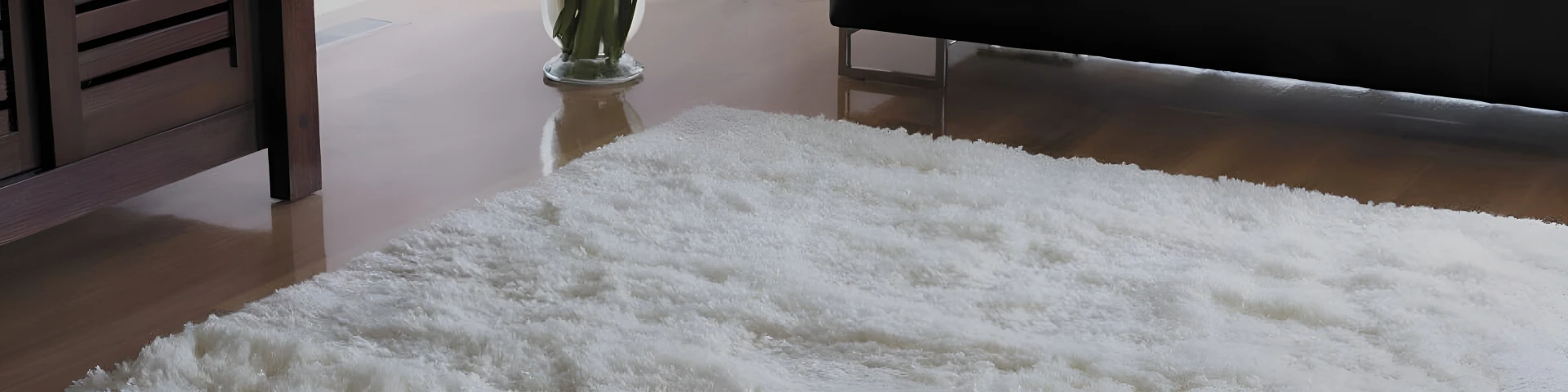
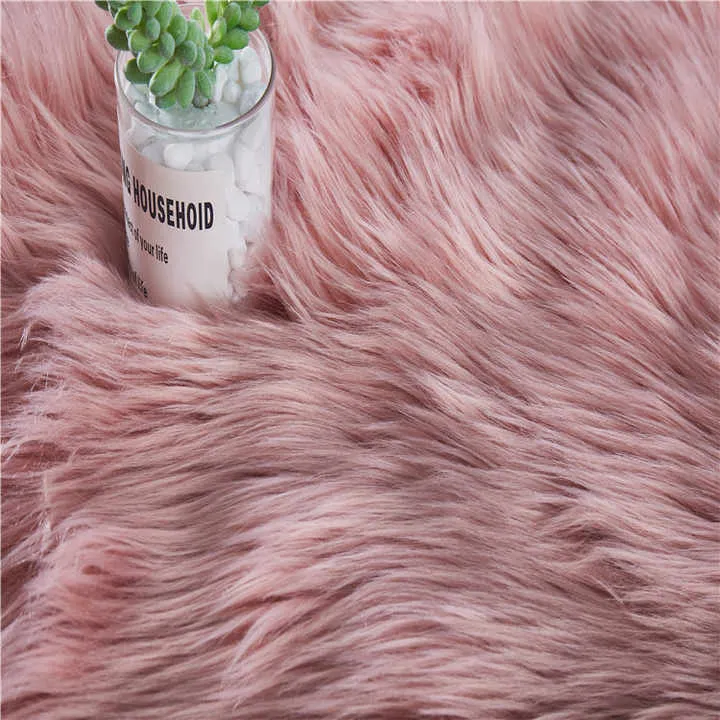
Fake animal hide rugs, also known as faux fur rugs or synthetic animal skin rugs, are floor coverings designed to mimic the appearance and texture of genuine animal hides. These rugs typically utilize synthetic fibers, primarily acrylic, polyester, and modacrylic, layered and processed to replicate the patterns and feel of natural animal furs such as cowhide, sheepskin, or exotic animal skins. Positioned within the broader flooring and home textiles industry, these rugs represent a cost-effective, ethical, and often more durable alternative to their natural counterparts. Core performance characteristics include aesthetic realism, durability to foot traffic, ease of cleaning, and resistance to shedding. This guide will provide a detailed examination of the materials, manufacturing processes, performance parameters, potential failure modes, and industry standards associated with fake animal hide rugs.
Material Science & Manufacturing
The core material in the production of fake animal hide rugs is synthetic fiber, with acrylic and polyester being the most prevalent. Acrylic fibers offer a softer texture and closer resemblance to natural fur due to their crimp and bulk. However, they are comparatively less durable and susceptible to matting. Polyester fibers, conversely, exhibit superior abrasion resistance, resilience, and colorfastness, though may lack the luxurious feel of acrylic. Modacrylic fibers are often blended to enhance flame retardancy and provide a balance between softness and durability. The manufacturing process begins with fiber production via polymerization. These fibers are then spun into yarns, which undergo dyeing to achieve the desired coloration and patterning. The yarn is subsequently tufted or woven into a backing material, typically polypropylene or jute. Crucially, the pile height, density, and pattern of tufting directly influence the rug’s aesthetic realism and performance. Patterning is achieved through specialized tufting machines, capable of varying yarn color and texture within a single pass. Following tufting or weaving, a latex coating is often applied to secure the fibers and enhance dimensional stability. Finally, a secondary backing – typically a felt or action backing – is laminated to the rug to provide additional cushioning and prevent slippage. Critical process control parameters include yarn denier (linear mass density), pile density (stitches per square inch), backing weight (grams per square meter), and latex adhesion strength. Ensuring consistent fiber quality, precise dyeing, and meticulous tufting/weaving are paramount to producing a high-quality, durable rug.
Performance & Engineering
The performance of a fake animal hide rug is dictated by several engineering considerations. Abrasion resistance, quantified by the Wyzenbeek test (ASTM D4157), is critical for longevity in high-traffic areas. A higher Wyzenbeek count indicates greater durability. Tensile strength of the backing material directly impacts the rug’s resistance to tearing and delamination; polypropylene backings generally exhibit better tensile strength than jute. Colorfastness to light exposure is assessed using the Xenon arc lamp test (ISO 105-B02), determining the rug’s ability to retain its color when exposed to ultraviolet radiation. Pile retention, or resistance to fiber shedding, is a key indicator of manufacturing quality and fiber binding strength. Flammability is a significant safety concern, addressed through the use of inherently flame-retardant fibers like modacrylic or application of flame-retardant coatings, tested according to standards such as the pill test (ASTM D2859). Environmental resistance encompasses resistance to staining (assessed using various staining agents and cleaning protocols), moisture absorption (important to prevent mold growth), and resistance to common cleaning chemicals. Force analysis considers the load-bearing capacity of the rug, preventing excessive compression and maintaining its structural integrity. Finally, compliance requirements such as lead content restrictions (RoHS Directive) and VOC emission limits (California Section 01350) must be met to ensure environmental and health safety.
Technical Specifications
| Parameter | Acrylic Fiber Rug | Polyester Fiber Rug | Modacrylic Blend Rug | Typical Unit |
|---|---|---|---|---|
| Pile Height | 20-30 mm | 15-25 mm | 25-35 mm | mm |
| Pile Density | 800-1200 | 1000-1500 | 900-1300 | stitches/m² |
| Fiber Denier | 2-3 | 3-4 | 2-3 | dtex |
| Backing Material | Polypropylene/Jute | Polypropylene | Polypropylene/Latex | - |
| Abrasion Resistance (Wyzenbeek) | 500-800 cycles | 800-1200 cycles | 600-900 cycles | cycles |
| Colorfastness to Light (ISO 105-B02) | Grade 4-5 | Grade 5-6 | Grade 4-5 | Grade (1-7) |
Failure Mode & Maintenance
Fake animal hide rugs are susceptible to several failure modes. Fiber shedding, particularly in acrylic rugs, is a common issue stemming from insufficient fiber binding during manufacturing or repeated abrasion. Matting and crushing of the pile occur due to prolonged foot traffic, compressing the fibers and reducing their resilience. Delamination, the separation of the pile from the backing, results from inadequate latex adhesion or mechanical stress. Color fading is induced by prolonged exposure to ultraviolet radiation, impacting aesthetic appearance. Staining occurs when spills are not promptly addressed, as synthetic fibers can absorb certain liquids. Oxidation of the fibers, especially in polyester rugs, can lead to brittleness and discoloration over extended periods. Maintenance to mitigate these failures includes regular vacuuming to remove debris and prevent matting. Prompt spot cleaning with mild detergents is crucial for stain removal. Avoid direct sunlight exposure to minimize color fading. Periodic professional cleaning can restore pile resilience and remove embedded dirt. For delamination, spot treatment with latex adhesive can temporarily repair the damage, but complete replacement is often necessary for severe cases. Preventative measures, such as using rug pads, can minimize wear and tear and extend the rug’s lifespan.
Industry FAQ
Q: What is the primary difference between acrylic and polyester fake animal hide rugs in terms of longevity?
A: Polyester generally offers superior longevity due to its higher abrasion resistance and resilience. While acrylic may initially feel softer, it's more prone to matting and fiber breakdown under consistent foot traffic. Polyester fibers maintain their structural integrity for a longer duration.
Q: How can I determine if a rug meets flammability standards?
A: Reputable manufacturers will provide test reports demonstrating compliance with relevant flammability standards, such as ASTM D2859 (pill test) or similar national/international regulations. Look for these reports during procurement.
Q: Is there a difference in cleaning requirements between different fiber types?
A: Yes. Acrylic fibers are more sensitive to harsh chemicals and require milder detergents. Polyester is generally more tolerant of cleaning agents, but always test in an inconspicuous area first. Avoid excessive moisture with jute-backed rugs to prevent mold growth.
Q: What impact does the backing material have on the rug’s performance?
A: The backing provides structural support and prevents slippage. Polypropylene backings offer better moisture resistance and tensile strength compared to jute. Latex adhesion to the backing is critical for preventing delamination.
Q: How does pile height affect the rug’s feel and appearance?
A: Higher pile heights generally provide a more luxurious and plush feel, visually mimicking natural animal hides more closely. However, higher piles may require more frequent vacuuming and are more susceptible to matting in high-traffic areas. Lower piles are more durable and easier to maintain.
Conclusion
Fake animal hide rugs offer a viable and ethical alternative to genuine animal hides, providing aesthetic appeal and comfort at a lower cost. The performance characteristics of these rugs are primarily governed by the fiber type (acrylic, polyester, or blends), manufacturing processes, and quality control measures. Understanding the interplay between these factors is crucial for selecting a rug that meets specific application requirements, considering factors such as durability, stain resistance, and flammability.
Continued advancements in synthetic fiber technology and tufting/weaving techniques are expected to yield even more realistic and durable fake animal hide rugs. Further research into sustainable fiber sources and eco-friendly manufacturing processes will be essential for minimizing the environmental impact of these products. Ultimately, informed procurement decisions, based on rigorous technical specifications and performance data, will ensure long-term satisfaction and value.