

fake animal skin throws Performance Analysis
Introduction
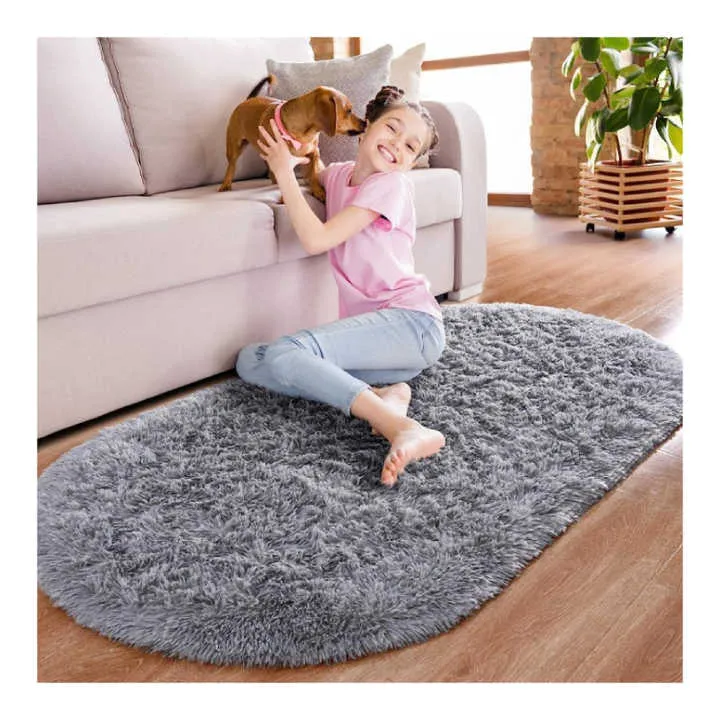
Fake animal skin throws, encompassing materials replicating fur, leather, and other animal textures, represent a significant segment of the home textile industry. Positioned between commodity blankets and high-end natural fur throws, they cater to consumer demand for aesthetic appeal, affordability, and ethical sourcing. These throws are primarily composed of synthetic fibers, engineered to mimic the visual and tactile properties of genuine animal hides. Core performance characteristics revolve around thermal insulation, aesthetic durability (resistance to matting and fading), and washability. A crucial market driver is the growing consumer awareness regarding animal welfare and the increasing preference for cruelty-free alternatives. This guide provides a comprehensive technical overview of these throws, focusing on material science, manufacturing processes, performance parameters, potential failure modes, and relevant industry standards. The increasing sophistication of synthetic fiber technology, coupled with advancements in textile finishing, has led to a proliferation of faux fur and leather products, demanding a deeper understanding of their properties and limitations for both manufacturers and end-users.
Material Science & Manufacturing
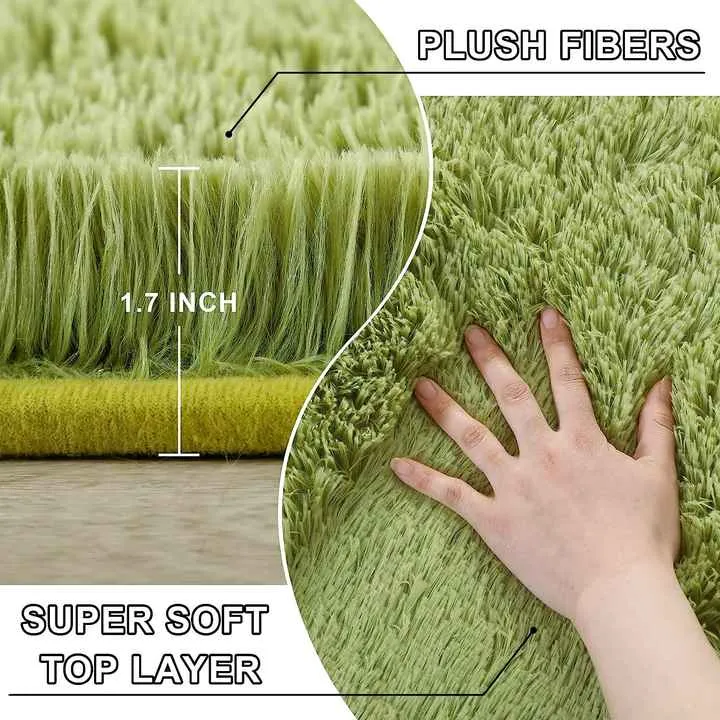
The foundation of fake animal skin throws lies in the selection and processing of synthetic fibers. Predominantly, these throws utilize polyester (polyethylene terephthalate), acrylic, and modacrylic fibers. Polyester offers inherent strength, wrinkle resistance, and relative affordability. Acrylic provides a softer, wool-like texture often preferred for faux fur applications, though it exhibits lower resilience than polyester. Modacrylic, a modified acrylic fiber, enhances flame retardancy, a critical safety consideration. Manufacturing begins with polymer synthesis, followed by fiber extrusion. Fiber diameter significantly impacts the realism of the simulated animal skin; finer denier fibers generally replicate finer fur textures more accurately. Following extrusion, fibers undergo crimping to introduce bulk and loft, crucial for creating a plush feel. These crimped fibers are then processed into yarns via spinning techniques – typically ring spinning or open-end spinning. The yarn then proceeds to weaving or knitting. Weaving, utilizing techniques like pile weaving, creates a dense, durable fabric often used for faux leather throws. Knitting, particularly warp knitting, is prevalent in faux fur production, enabling complex patterns and a softer hand. A critical parameter is pile height, controlling the length of the raised fibers and, consequently, the aesthetic appearance and thermal insulation. Finishing treatments include brushing, shearing, and dyeing. Brushing raises the pile for a fuller look, while shearing trims the pile to achieve desired length and uniformity. Dyeing utilizes various methods, including solution dyeing (adding pigment during fiber extrusion) and piece dyeing (dyeing the finished fabric). For faux leather throws, polyurethane (PU) or polyvinyl chloride (PVC) coatings are applied to a fabric backing, typically polyester, to impart a leather-like texture and protective barrier.
Performance & Engineering
The performance of fake animal skin throws is dictated by a complex interplay of material properties and structural design. Thermal insulation, measured by its Thermal Resistance (R-value) and Thermal Transmittance (U-value), is a primary performance metric. R-value is affected by fiber density, pile height, and air entrapment within the fabric structure. Engineering considerations focus on maximizing air entrapment without compromising fabric integrity. Tensile strength, crucial for durability, is determined by fiber strength and yarn construction. Woven fabrics generally exhibit higher tensile strength than knitted fabrics. Abrasion resistance, assessed via methods like the Martindale test, indicates the fabric's ability to withstand wear and tear. Colorfastness, the resistance to fading upon exposure to light and washing, depends on the dye type and finishing treatments. Hydrolytic stability, particularly relevant for polyester-based throws, assesses resistance to degradation in the presence of moisture. For faux leather throws, flexibility and crack resistance are key performance indicators. These properties are influenced by the plasticizer content in the PU or PVC coating. Environmental resistance encompasses resistance to UV degradation, mildew growth, and insect attack. UV stabilizers are often incorporated into the fiber formulation to mitigate UV damage. Compliance requirements vary geographically but typically include flammability standards (e.g., California Technical Bulletin 117 for flammability of upholstered furniture) and restrictions on hazardous substances (e.g., REACH regulation in Europe). Force analysis during use involves assessing the stresses placed on the throw during handling and draping. Proper yarn construction and fabric density are essential to prevent tearing or deformation under load.
Technical Specifications
| Parameter | Polyester Faux Fur | Acrylic Faux Fur | PU Faux Leather | PVC Faux Leather |
|---|---|---|---|---|
| Fiber Composition | 100% Polyester | 100% Acrylic | Polyester Backing + PU Coating | Polyester Backing + PVC Coating |
| Pile Height (mm) | 15-30 | 20-40 | N/A (Coated Fabric) | N/A (Coated Fabric) |
| Weight (gsm) | 150-300 | 120-250 | 180-350 | 150-300 |
| Tensile Strength (N/5cm) | 250-400 | 180-300 | 300-500 | 200-400 |
| Abrasion Resistance (Martindale Cycles) | 8,000-20,000 | 5,000-15,000 | 10,000-30,000 | 5,000-20,000 |
| Flammability (California TB 117) | Pass | Pass (with treatment) | Pass | Pass (with plasticizer control) |
Failure Mode & Maintenance
Fake animal skin throws are susceptible to several failure modes. Polyester and acrylic fibers can undergo hydrolytic degradation over extended exposure to moisture and UV radiation, leading to loss of strength and color fading. Faux fur throws can experience matting and loss of pile height due to repeated abrasion and compression. This is exacerbated by improper washing techniques. Faux leather throws are prone to cracking and peeling of the PU or PVC coating, particularly under stress or extreme temperature fluctuations. Plasticizer migration in PVC-based throws can cause embrittlement and cracking over time. Delamination, the separation of the coating from the fabric backing, is another common failure mode in faux leather. Oxidation of the fibers can cause yellowing and embrittlement. Maintenance recommendations include gentle machine washing in cold water with mild detergent. Avoid harsh chemicals, bleach, and fabric softeners. Tumble dry on low heat or air dry. For faux leather throws, avoid abrasive cleaners and direct sunlight. Regularly vacuuming or brushing faux fur throws can help prevent matting. Promptly address stains to prevent permanent discoloration. Storage should be in a cool, dry place away from direct sunlight to minimize degradation. Repairing minor tears or abrasions can extend the lifespan of the throw. For significant damage, professional repair or replacement is typically recommended.
Industry FAQ
Q: What is the primary difference in durability between polyester and acrylic faux fur throws?
A: Polyester generally exhibits higher tensile strength and abrasion resistance compared to acrylic. While acrylic offers a softer hand feel, polyester throws tend to withstand more wear and tear over time, making them a more durable choice for high-traffic areas.
Q: How does the type of plasticizer in a PU faux leather throw affect its lifespan?
A: The type and concentration of plasticizer significantly impact the flexibility and lifespan of PU faux leather. Phthalate plasticizers, while cost-effective, are prone to migration over time, leading to embrittlement and cracking. Alternatives like non-phthalate plasticizers offer better long-term performance but are typically more expensive.
Q: What are the key considerations when selecting a faux fur throw for a child's room?
A: Prioritize flame retardancy and low VOC (volatile organic compound) emissions. Ensure the throw meets relevant safety standards (e.g., California TB 117). Consider the ease of cleaning and resistance to staining, as children's rooms often experience higher levels of mess.
Q: How can I determine if a faux leather throw is PVC or PU based?
A: Generally, PU faux leather feels softer and more pliable than PVC. A simple bend test can reveal differences; PVC tends to be stiffer and less forgiving. The odor can also be indicative; PVC often has a distinct plastic smell, while PU has a milder odor. A burn test (conducted cautiously) can also differentiate; PVC releases hydrochloric acid fumes, while PU produces a different odor profile.
Q: What is the environmental impact of manufacturing these throws and what are some sustainable alternatives?
A: The manufacturing process relies heavily on petroleum-based synthetic fibers, contributing to carbon emissions and microplastic pollution. Sustainable alternatives include utilizing recycled polyester fibers, developing bio-based polymers for fiber production, and adopting closed-loop manufacturing processes to minimize waste. Exploring plant-based alternatives to synthetic coatings is also an area of ongoing research.
Conclusion
Fake animal skin throws represent a sophisticated confluence of material science, textile engineering, and consumer demand. Their performance characteristics – thermal insulation, durability, and aesthetic appeal – are critically dependent on the selection of appropriate synthetic fibers, yarn construction, and finishing treatments. Understanding the potential failure modes, such as hydrolytic degradation, coating cracking, and fiber matting, is essential for ensuring product longevity and optimizing maintenance procedures. As consumer awareness regarding sustainability grows, the industry is driven to explore eco-friendly alternatives, including recycled materials and bio-based polymers.
Future advancements will likely focus on enhancing the realism of faux animal textures through innovative fiber technologies and coating formulations. Developing more durable and environmentally responsible materials remains a key challenge. Furthermore, optimizing manufacturing processes to minimize waste and energy consumption will be crucial for reducing the overall environmental footprint of these products. The continued refinement of performance standards and testing methodologies will also be essential for ensuring consistent quality and consumer satisfaction.