

fake fur animal rugs Performance Analysis
Introduction
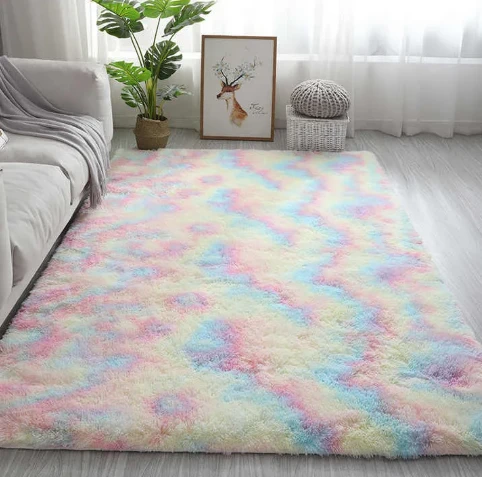
Fake fur animal rugs represent a significant segment within the broader decorative textiles industry, functioning as both aesthetic enhancements and tactile comfort elements. Technically, these rugs are categorized as pile fabrics constructed from synthetic fibers engineered to mimic the appearance and texture of animal fur. Their position in the value chain extends from petrochemical feedstock production (for fiber synthesis) through polymer extrusion, fiber formation, knitting or weaving, dyeing/finishing, and ultimately, rug assembly and retail. Core performance characteristics center around aesthetic appeal (realism of fur simulation), tactile qualities (softness, density, and pile height), durability (resistance to abrasion and crushing), and safety (flammability, toxicity, and allergenicity). A primary driver for their widespread adoption is the ethical and sustainability concerns surrounding genuine fur, offering a cruelty-free alternative that satisfies consumer demand for luxurious textures. Understanding the material science behind these rugs, manufacturing processes, and potential failure modes is crucial for ensuring quality, longevity, and adherence to evolving industry standards.
Material Science & Manufacturing
The foundational material for most fake fur animal rugs is a synthetic polymer, predominantly polypropylene (PP) and polyester (PET). Polypropylene is favored for its low cost, inherent water resistance, and ability to create a soft, pliable pile. Polyester provides superior resilience, colorfastness, and dyeability, though it is generally more expensive. Acrylic fibers are also used, offering a wool-like hand feel but with lower abrasion resistance. Manufacturing begins with polymer extrusion – melting the polymer and forcing it through spinnerets to create continuous filaments. These filaments are then drawn (stretched) to increase their tensile strength and oriented to enhance their molecular alignment, influencing fiber properties like denier (fiber thickness) and tenacity (tensile strength per unit area). The fibers are subsequently textured – either mechanically or chemically – to impart bulk and crimp, mimicking the natural curvature of animal fur. The pile construction can be achieved through two primary methods: knitting and weaving. Knitting creates a looped pile, offering a softer, more flexible texture. Weaving, particularly tufting, involves inserting the fibers into a primary backing material (typically polypropylene or jute) and securing them with a secondary latex or polyurethane backing. Dyeing is typically performed at the fiber stage (solution dyeing) for superior colorfastness, or at the yarn/fabric stage using various dye classes (acid dyes for nylon, disperse dyes for polyester). Finishing processes include brushing, shearing, and calendaring to achieve the desired pile height, density, and surface appearance. Key parameter control during manufacturing involves maintaining consistent fiber denier, accurate gauge control during knitting/weaving to ensure pile density, and precise dye concentration to achieve color matching and prevent uneven dyeing.
Performance & Engineering
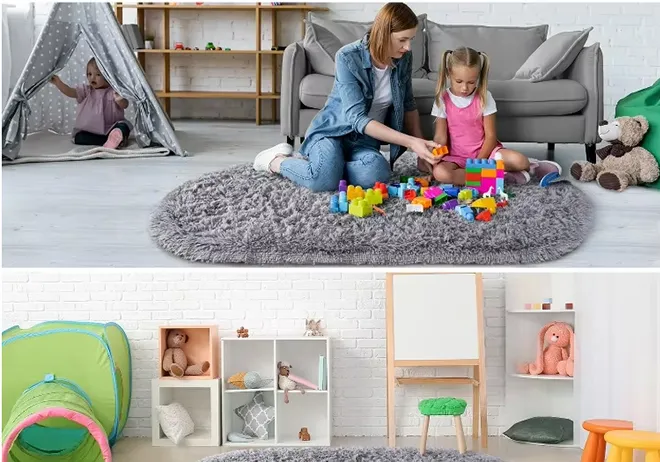
The performance of fake fur animal rugs is governed by a complex interplay of mechanical and environmental factors. Force analysis focuses on assessing the pile’s resistance to compression, shear, and tensile stress. Pile height significantly impacts the rug’s perceived softness and thermal insulation; however, higher piles are more susceptible to matting and crushing under sustained load. The backing material provides structural integrity and prevents delamination of the pile. Environmental resistance is paramount, specifically concerning lightfastness (resistance to color fading upon UV exposure), moisture resistance (preventing mold and mildew growth), and flammability. Flame retardant treatments, typically involving application of halogenated or phosphorus-based compounds, are essential to meet regulatory compliance standards. Compliance requirements vary by region, with key standards addressing flammability (e.g., California Proposition 65 regarding formaldehyde emissions), toxicity (e.g., REACH regulation in Europe restricting hazardous substances), and allergenicity (ensuring the materials do not trigger allergic reactions). Functional implementation considerations include slip resistance – achieved through the application of latex or PVC backing – and dimensional stability – preventing shrinkage or distortion during cleaning and use. The denier and crimp of the fiber directly impact the aesthetic realism and tactile comfort of the rug, influencing how effectively it mimics the texture and appearance of natural fur.
Technical Specifications
| Parameter | Polypropylene (PP) Rugs | Polyester (PET) Rugs | Acrylic Rugs |
|---|---|---|---|
| Pile Fiber Denier (dtex) | 100-300 | 150-400 | 200-500 |
| Pile Height (mm) | 20-60 | 25-70 | 30-80 |
| Pile Density (stitches/10cm) | 80-150 | 90-180 | 70-140 |
| Backing Material | Polypropylene, Jute | Polypropylene, Felt | Jute, Cotton |
| Tensile Strength (N/5cm) | 150-250 | 200-350 | 100-200 |
| Water Absorption (%) | <1 | <0.5 | 5-10 |
| Lightfastness (Grey Scale Rating) | 4-5 | 5-6 | 3-4 |
Failure Mode & Maintenance
Failure modes in fake fur animal rugs primarily stem from physical degradation of the fibers and backing, or detachment of the pile from the backing. Common issues include matting and crushing of the pile due to repeated foot traffic, leading to a loss of aesthetic appeal and reduced tactile comfort. Abrasion from dirt and debris can cause fiber breakage and pilling, diminishing the rug’s appearance. UV exposure results in color fading and embrittlement of the fibers, particularly in polypropylene rugs. Hydrolysis – the breakdown of polyester fibers due to exposure to moisture and heat – can lead to reduced strength and eventual disintegration. Delamination, the separation of the pile from the backing, is often caused by degradation of the adhesive (latex or polyurethane) or mechanical stress. Oxidation of polypropylene fibers can also contribute to embrittlement and cracking. Maintenance involves regular vacuuming to remove dirt and debris, spot cleaning with mild detergent and water to address spills, and avoiding prolonged exposure to direct sunlight. Professional cleaning, using appropriate extraction methods, is recommended annually. To prevent matting, rotating the rug periodically and using rug pads to distribute weight evenly is crucial. Avoid harsh chemicals or abrasive cleaners, as these can damage the fibers and accelerate degradation. For significant damage (e.g., large areas of delamination), professional repair or replacement may be necessary.
Industry FAQ
Q: What is the primary difference between polypropylene and polyester fake fur in terms of durability?
A: Polyester generally exhibits superior durability compared to polypropylene. It possesses higher tensile strength, better resilience, and improved resistance to abrasion and hydrolysis. While polypropylene is more cost-effective, polyester rugs tend to maintain their pile height and aesthetic appearance for a longer period under similar usage conditions.
Q: How does the backing material affect the overall performance of the rug?
A: The backing material is critical for structural integrity and preventing delamination. Polypropylene backings offer good water resistance and are suitable for most indoor applications. Jute backings are more breathable but are susceptible to moisture damage and may require a moisture barrier. Latex or polyurethane adhesives bond the pile to the backing; their quality and application are paramount to prevent pile shedding.
Q: What flammability standards are typically applied to fake fur rugs?
A: Flammability standards vary by region. In the US, California Proposition 65 and the Federal Flammable Fabrics Act (FFAFA) are key regulations. In Europe, the EN 13501-1 standard classifies the fire performance of building materials. Compliance often requires the application of flame-retardant treatments to the fibers or backing.
Q: How do I determine the appropriate pile height for my application (e.g., high-traffic area vs. low-traffic area)?
A: For high-traffic areas, a lower pile height (20-30mm) is recommended to minimize matting and facilitate easier cleaning. Longer pile heights (40-60mm or higher) are suitable for low-traffic areas where a luxurious feel is desired, but require more frequent maintenance to prevent crushing.
Q: Is fake fur susceptible to shedding, and how can it be minimized?
A: Some initial shedding is common, particularly with newly manufactured rugs, due to loose fibers. This can be minimized through thorough vacuuming during the first few weeks of use. High-quality manufacturing processes, secure pile attachment, and proper fiber treatment contribute to reduced shedding over the rug’s lifespan.
Conclusion
Fake fur animal rugs represent a sophisticated textile product reliant on careful material selection and controlled manufacturing processes. Their performance is dictated by the inherent properties of the synthetic fibers employed – primarily polypropylene, polyester, and acrylic – and the integrity of the pile construction and backing material. Understanding the potential failure modes, including matting, abrasion, UV degradation, and delamination, is crucial for informed maintenance and maximizing product longevity.
Continued advancements in polymer technology and manufacturing techniques will likely yield improved durability, enhanced aesthetic realism, and increased sustainability in future generations of fake fur rugs. Adherence to stringent industry standards regarding flammability, toxicity, and allergenicity will remain paramount to ensuring consumer safety and responsible product development.