

fake fur mat Manufacturing Analysis
Introduction
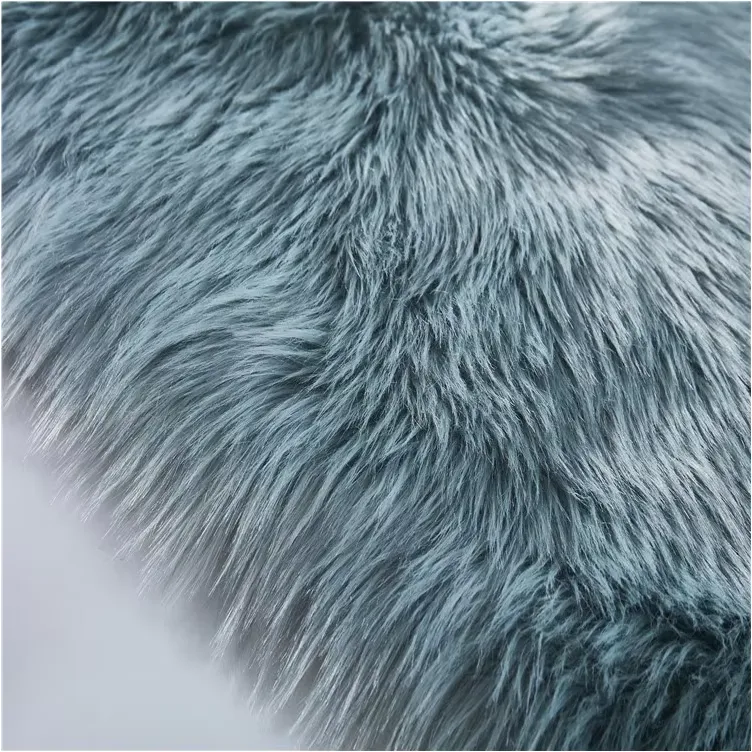
Fake fur mats, also known as artificial fur rugs, represent a significant component within the broader textile and floor covering industries. Positioned as a synthetic alternative to natural animal fur, these mats serve primarily as decorative elements and provide tactile comfort in residential, commercial, and increasingly, specialized applications such as photography and pet care. Their production involves complex fiber engineering and manufacturing techniques. Core performance characteristics are centered around aesthetic appeal – replicating the look and feel of genuine fur – alongside durability, ease of maintenance, and cost-effectiveness. The industry faces challenges related to material sourcing, environmental impact of synthetic polymers, and achieving realistic fur textures while maintaining performance standards concerning shedding, flammability, and allergenicity. This guide provides a comprehensive technical overview of fake fur mat manufacturing, material properties, performance analysis, and failure considerations.
Material Science & Manufacturing
The primary raw material for fake fur mats is synthetic polymers, predominantly polypropylene (PP) and modacrylic fibers. Polypropylene is favored due to its low cost, high tensile strength, and resistance to moisture and chemicals. Modacrylic fibers offer improved dyeability and a softer hand feel, often blended with polypropylene to achieve desired aesthetics and comfort. The manufacturing process begins with polymer extrusion, creating continuous filaments. These filaments are then processed through various techniques to create the ‘fur’ effect. A key process is fiber crimping, achieved via mechanical or chemical methods, to impart texture and volume. This is followed by knitting or weaving these crimped fibers into a backing material, typically a jute or polypropylene mesh. The loop pile is then sheared to the desired length and density. Parameter control is critical throughout. Extrusion temperature directly impacts fiber denier and strength. Crimping frequency dictates fur texture. Shearing precision controls pile uniformity. Further processing may include dyeing, printing, and application of anti-static and stain-resistant treatments. Recent advancements focus on incorporating recycled polymers and bio-based materials to enhance sustainability. Chemical compatibility of dyes and treatments with the base polymer is also a key factor; improper selection can lead to discoloration, fiber degradation and affect the product’s lifespan.
Performance & Engineering
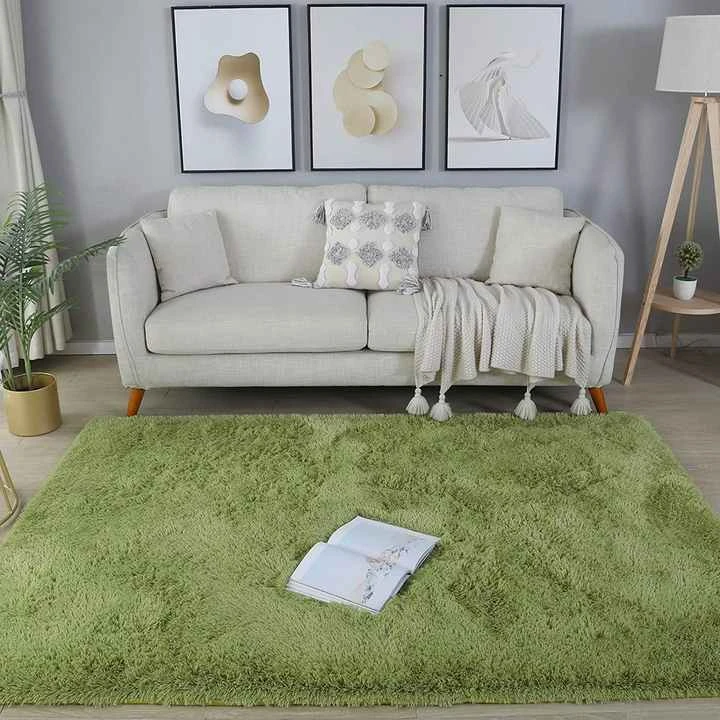
Performance characteristics of fake fur mats are evaluated based on several key engineering parameters. Pile height and density influence the mat’s perceived softness and thermal insulation. Tensile strength, determined using ASTM D4266, measures the resistance to tearing and stretching, directly impacting durability. Colorfastness to light (ASTM D1654) and washing (ISO 105 C06) are crucial for maintaining aesthetic appearance. Flammability is a significant safety concern, evaluated via methods like ASTM D2859, necessitating the use of flame-retardant treatments. Shedding, a common complaint, is assessed by measuring fiber loss under mechanical abrasion. Environmental resistance includes assessment of resistance to UV degradation, ozone cracking, and mildew growth. Force analysis during manufacturing and use considers the stress distribution within the fiber structure and its impact on long-term performance. Compliance requirements vary by region; in the US, California Proposition 65 regulates potentially harmful chemicals. In the EU, REACH regulations govern the use of hazardous substances. Engineering considerations also include backing material selection for dimensional stability and anti-slip properties. The product’s resilience, or ability to recover from compression, is vital to its long-term comfort and appearance.
Technical Specifications
| Parameter | Unit | Typical Value (Low-Pile) | Typical Value (High-Pile) |
|---|---|---|---|
| Pile Height | mm | 20-30 | 50-70 |
| Pile Density | grams/m² | 500-800 | 1200-1800 |
| Fiber Composition | % | Polypropylene: 80-100 | Polypropylene: 60-80, Modacrylic: 20-40 |
| Tensile Strength (Warp/Weft) | N/5cm | 20/15 | 25/20 |
| Colorfastness to Light (Grey Scale Rating) | Rating | 4-5 | 4-5 |
| Flammability (Pass/Fail - ASTM D2859) | - | Pass (with treatment) | Pass (with treatment) |
Failure Mode & Maintenance
Common failure modes for fake fur mats include fiber shedding, pile compression, discoloration, and delamination of the backing. Fiber shedding results from mechanical abrasion and fiber fatigue, exacerbated by low-quality materials and manufacturing defects. Pile compression occurs under sustained weight, leading to a flattened appearance and reduced comfort. Discoloration can stem from UV exposure, improper dye selection, or contact with harsh chemicals. Delamination, the separation of the pile from the backing, is often caused by adhesive failure or wear and tear of the backing material itself. Oxidation of polypropylene fibers, especially with prolonged UV exposure, leads to brittleness and cracking. Maintenance recommendations include regular vacuuming to remove dust and debris, spot cleaning with mild detergents, and avoidance of direct sunlight and harsh chemicals. Professional cleaning is recommended for heavily soiled mats. Preventative measures include rotating the mat to distribute wear evenly and using underlayments to provide additional cushioning and support. For significant delamination, re-adhering the pile to the backing with appropriate adhesive may be possible, but this is often a temporary solution. Early detection of wear and timely maintenance significantly extend product lifespan.
Industry FAQ
Q: What is the primary difference between polypropylene and modacrylic fake fur, and how does it affect cost and performance?
A: Polypropylene is considerably less expensive and offers good durability and stain resistance. However, modacrylic fibers provide a softer hand feel, better dyeability, and are less prone to static buildup. Mats using a blend of both aim to balance cost and performance, offering a good compromise between softness, durability, and price. Pure modacrylic mats are generally more expensive but provide a superior tactile experience.
Q: How does the backing material impact the overall performance and longevity of the mat?
A: The backing material provides structural support and dimensional stability. Jute backings are natural, breathable, and cost-effective, but are susceptible to moisture damage and mildew. Polypropylene backings are more durable, water-resistant, and provide better anti-slip properties. The choice of backing depends on the intended application and environmental conditions. A higher quality backing contributes significantly to the mat’s longevity.
Q: What flammability standards are most relevant for fake fur mats in the US and Europe?
A: In the US, ASTM D2859 is the primary flammability test. Meeting California’s Technical Bulletin 117 is also often required for residential use. In Europe, EN 13501-1 is a key standard for fire classification of building materials, and specific requirements may vary by country. Flame-retardant treatments are commonly applied to meet these standards, but their effectiveness can diminish over time with washing and wear.
Q: What are the environmental concerns associated with fake fur production, and what are the emerging sustainable alternatives?
A: The primary environmental concern is the reliance on petroleum-based polymers. Disposal of synthetic mats also poses a challenge. Emerging sustainable alternatives include using recycled polypropylene, bio-based polymers derived from renewable resources (such as corn or sugarcane), and developing closed-loop recycling systems for the fibers. Manufacturers are increasingly focusing on reducing waste and minimizing the carbon footprint of production.
Q: How can I mitigate shedding in a new fake fur mat?
A: Initial shedding is common in new fake fur mats. Regular vacuuming (using a brush attachment) during the first few weeks can help remove loose fibers. Avoid excessive agitation and harsh cleaning chemicals. A light mist of water can sometimes help settle the fibers. Higher quality mats with tightly woven piles generally exhibit less shedding over time.
Conclusion
Fake fur mats represent a sophisticated application of polymer science and textile engineering. Their performance is dictated by a complex interplay of material properties, manufacturing processes, and adherence to stringent industry standards. Understanding these factors is critical for selecting a mat that meets specific application requirements and ensures long-term durability and aesthetic appeal. The industry is continually evolving, driven by the demand for enhanced realism, improved sustainability, and optimized performance characteristics.
Future development in this sector will likely focus on the integration of advanced materials, such as bio-based polymers and high-performance fibers, alongside innovative manufacturing techniques. Addressing the environmental impact of synthetic polymer production and disposal remains a paramount concern, driving research into recyclable and biodegradable alternatives. Continued refinement of quality control measures and performance testing protocols will also be essential to maintain consumer confidence and ensure product safety.