

Fake Fur Pelt Performance Analysis
Introduction
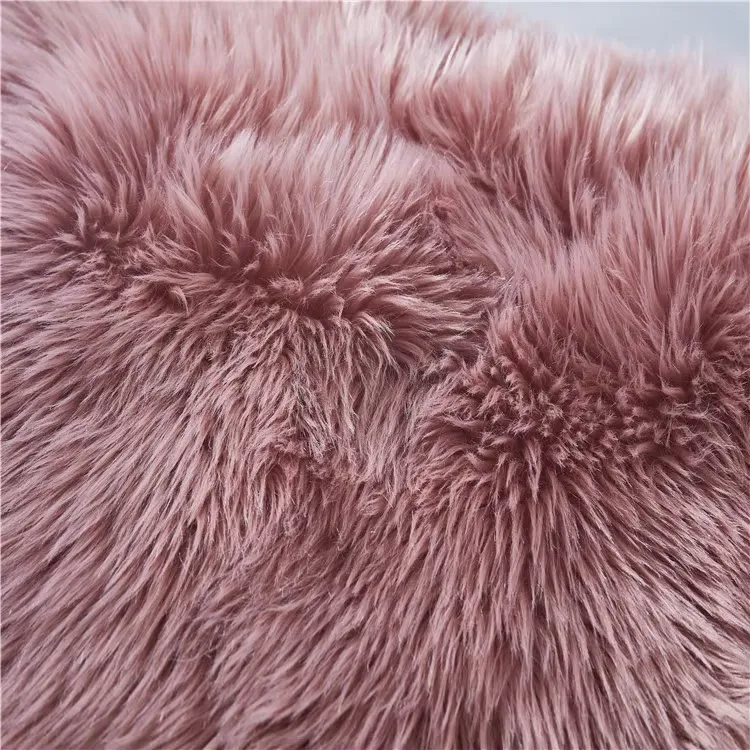
Fake fur pelt, also known as faux fur, is a synthetic fabric engineered to mimic the appearance and texture of animal fur. Positioned within the textile industry as a cruelty-free and cost-effective alternative to natural fur, it finds applications across apparel, home décor, and increasingly, specialized industrial applications demanding specific thermal or aesthetic properties. Its core performance characteristics center on replicating the insulating qualities of genuine fur, coupled with enhanced durability and ease of maintenance. The modern production of fake fur involves complex polymer chemistry and textile engineering, driving innovation in fiber composition, pile construction, and dyeing techniques. The current market demand is heavily influenced by ethical consumerism, fashion trends, and the ongoing need for specialized materials in sectors like automotive interiors and protective clothing. This guide will provide an in-depth technical examination of fake fur pelt, covering material science, manufacturing processes, performance parameters, failure modes, and relevant industry standards.
Material Science & Manufacturing
The foundational material of most fake fur pelts is a synthetic polymer, primarily polyester (polyethylene terephthalate) or acrylic (polyacrylonitrile). Polyester provides excellent durability, resilience, and resistance to stretching and shrinking, making it suitable for high-wear applications. Acrylic, conversely, offers a softer hand feel and a closer visual resemblance to natural fur, though it typically exhibits lower abrasion resistance. The manufacturing process begins with the polymerization of these monomers, followed by extrusion into continuous filaments. These filaments are then processed through a variety of techniques to create the fur-like pile. Pile construction is crucial and includes methods like cut pile (where fibers are cut at a specific length to create a distinct fur appearance), looped pile (where fibers are looped over backing yarns, offering higher density and durability), and space-dyeing (creating variations in color along the fiber length). The backing material, often a woven or non-woven fabric (typically polyester or polypropylene), provides structural support and is laminated to the pile. Key parameter control during manufacturing involves precise temperature regulation during extrusion to achieve consistent fiber diameter and tensile strength. Dyeing is another critical step, utilizing various methods including solution dyeing (adding pigments during polymerization for superior colorfastness) and exhaust dyeing (dyeing the finished fabric in a bath). Chemical compatibility is a concern; aggressive solvents or prolonged UV exposure can degrade the polymer structure. Fiber denier (fineness) impacts the overall hand feel and drape of the finished product, while pile height and density determine the insulation value and aesthetic quality.
Performance & Engineering
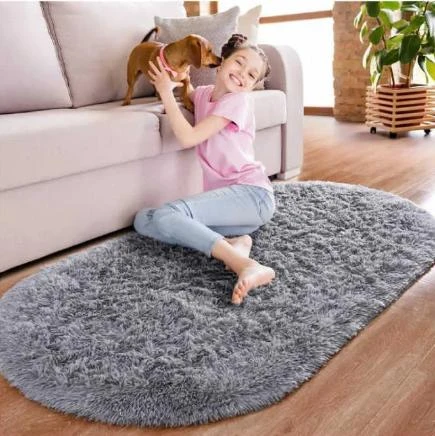
The performance of fake fur pelt is dictated by several key engineering properties. Thermal insulation is paramount, measured by the R-value (thermal resistance). This is directly correlated with pile height, density, and fiber crimp – greater crimp traps more air, enhancing insulation. Tensile strength and tear resistance, crucial for applications subject to mechanical stress, are determined by the polymer composition and weaving/knitting structure of the backing material. Force analysis indicates that elongation at break is a critical factor in assessing durability. Environmental resistance, particularly to UV radiation, is a significant concern. Prolonged exposure leads to polymer degradation, causing color fading and loss of strength. UV stabilizers are often incorporated during manufacturing to mitigate this effect. Fire retardancy is also critical, especially for upholstery and apparel applications. Treatments with flame-retardant chemicals are frequently applied to meet relevant flammability standards. Moisture vapor transmission rate (MVTR) is important for comfort in apparel applications; while generally lower than natural fibers, modifications to fiber structure and backing materials can enhance breathability. Compliance requirements, such as REACH (Registration, Evaluation, Authorisation and Restriction of Chemicals) and OEKO-TEX Standard 100, dictate permissible levels of harmful substances and ensure product safety. The pile’s ability to withstand repeated compression and recover its original shape – its ‘resiliency’ – impacts its lifespan and aesthetic appearance. Abrasion resistance, typically tested using methods like the Martindale abrasion test, determines its suitability for high-wear environments.
Technical Specifications
| Parameter | Polyester Fake Fur | Acrylic Fake Fur | Modified Acrylic (High Resilience) |
|---|---|---|---|
| Fiber Composition | 100% Polyester | 100% Acrylic | 80% Acrylic, 20% Polyester |
| Pile Height (mm) | 15-30 | 20-40 | 25-35 |
| Pile Density (fibers/cm²) | 800-1200 | 600-1000 | 1000-1400 |
| Tensile Strength (N/cm) | 50-80 | 30-50 | 60-90 |
| Elongation at Break (%) | 150-200 | 80-120 | 120-180 |
| R-Value (m²/K/W) | 0.8 - 1.2 | 0.9 - 1.5 | 1.1 - 1.6 |
Failure Mode & Maintenance
Fake fur pelts are susceptible to several failure modes. Pile shedding is common, resulting from fiber breakage due to abrasion or mechanical stress. This is exacerbated by lower-quality fibers and inadequate pile anchoring. Matting occurs when fibers become compressed and tangled, diminishing the fur's loft and aesthetic appeal. This is often caused by repeated compression or improper cleaning. Color fading, particularly with acrylic fibers, is a consequence of UV degradation. Polymer degradation, leading to brittleness and cracking, results from prolonged exposure to heat, light, or harsh chemicals. Delamination, where the pile separates from the backing, can occur due to inadequate lamination or exposure to solvents. Pilling, the formation of small fiber balls on the surface, is a sign of fiber abrasion and wear. Maintenance practices significantly impact lifespan. Regular brushing with a soft-bristled brush can prevent matting and remove loose fibers. Machine washing is generally permissible, but using a mild detergent and a gentle cycle is crucial. Avoid high heat drying, as it can cause polymer shrinkage and deformation. Spot cleaning with a solvent-based cleaner is recommended for localized stains, testing for colorfastness in an inconspicuous area first. Periodic application of a fabric protector can enhance stain resistance and prolong the life of the pelt. Storage in a cool, dark, and dry environment minimizes UV degradation and polymer breakdown.
Industry FAQ
Q: What is the primary difference in durability between polyester and acrylic fake fur, and how does this translate to expected lifespan in a high-traffic upholstery application?
A: Polyester generally exhibits superior abrasion resistance and tensile strength compared to acrylic. In a high-traffic upholstery setting, this translates to a significantly longer lifespan for polyester-based fake fur. Acrylic is more prone to pilling and fiber breakage under constant friction. While acrylic offers a softer hand feel, polyester can withstand approximately 2-3 times the number of abrasion cycles before showing significant wear, making it the preferred choice for demanding upholstery applications.
Q: How do different backing materials affect the overall performance and cost of fake fur?
A: Backing materials profoundly influence performance. Woven polyester backings provide greater dimensional stability and tear resistance compared to non-woven polypropylene. However, woven backings are more expensive. Non-woven backings are more cost-effective and suitable for applications where high tear strength isn't critical. The weight and construction of the backing also impact drape and overall hand feel.
Q: What measures can be taken to improve the UV resistance of acrylic fake fur for outdoor applications?
A: Several strategies can mitigate UV degradation. Incorporating UV absorbers and stabilizers into the acrylic polymer during manufacturing is the most effective approach. Applying a UV-protective coating to the finished fabric provides an additional layer of defense. Selecting darker color shades can also help, as darker pigments absorb more UV radiation. However, even with these measures, acrylic fake fur will still exhibit limited lifespan in direct sunlight compared to UV-stabilized polyester.
Q: How does the pile height impact both the aesthetic appearance and the functional performance (insulation, cleaning) of the fake fur?
A: Pile height is a critical parameter. Higher pile heights generally provide a more luxurious and realistic appearance, mimicking the look of long-haired animal fur. They also offer superior thermal insulation due to increased air entrapment. However, higher piles are more prone to matting and are more difficult to clean, as dirt and debris can become trapped within the fibers. Lower pile heights offer a sleeker appearance, are easier to maintain, and typically exhibit better abrasion resistance.
Q: What are the implications of REACH and OEKO-TEX certifications for fake fur procurement, and what testing is involved?
A: REACH (Registration, Evaluation, Authorisation and Restriction of Chemicals) ensures that the chemical substances used in the production of fake fur do not pose a risk to human health or the environment. OEKO-TEX Standard 100 certifies that the finished product is free from harmful levels of specific chemicals. Procurement teams should prioritize suppliers with these certifications. Testing involves analyzing the fabric for substances like formaldehyde, phthalates, heavy metals, and azo dyes, ensuring they fall within permissible limits. These certifications provide assurance of product safety and compliance with regulatory requirements.
Conclusion
Fake fur pelt represents a significant advancement in textile engineering, offering a viable and ethically responsible alternative to natural fur. Its performance characteristics, dictated by polymer chemistry, pile construction, and manufacturing parameters, determine its suitability for a wide range of applications, from fashion apparel to industrial insulation. Understanding the interplay between material properties, environmental resistance, and potential failure modes is crucial for informed material selection and long-term product durability.
Future advancements in fake fur technology will likely focus on developing bio-based polymers to further reduce environmental impact, improving UV resistance through advanced coatings and fiber modifications, and enhancing the breathability and moisture management properties of the fabric. Continued innovation in pile construction techniques will also be key to replicating the complex textures and aesthetic qualities of natural fur with greater precision and realism, solidifying fake fur’s position as a versatile and sustainable material in the textile industry.