

fake lambskin rug Performance Analysis
Introduction
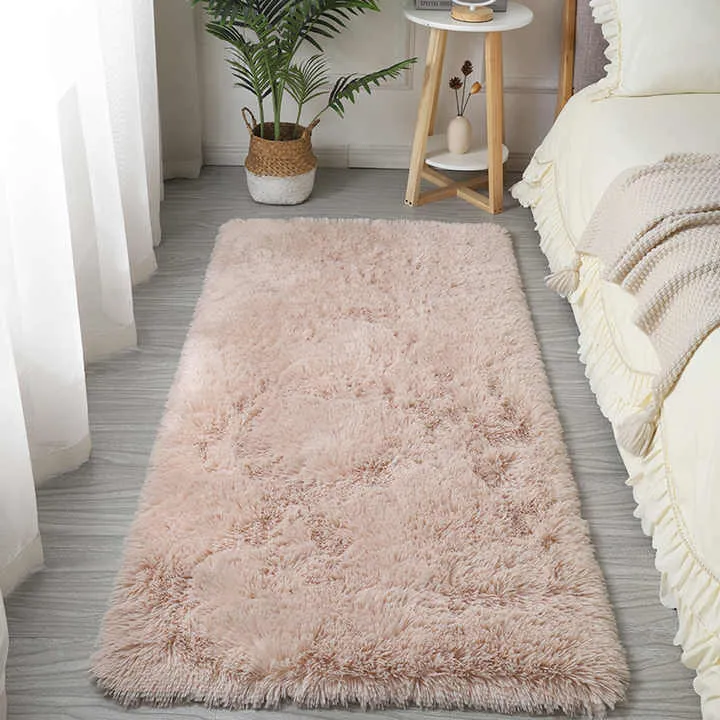
Fake lambskin rugs, also known as faux sheepskin rugs, represent a synthetic alternative to genuine lambskin, serving predominantly decorative and comfort-oriented functions. Positioned within the broader textile and floor coverings industry, these rugs are manufactured using various synthetic fiber compositions, designed to mimic the appearance and tactile sensation of natural lambskin. Core performance characteristics center around aesthetic appeal, softness, thermal insulation, and ease of maintenance, differentiating them from natural fibers through cost-effectiveness and ethical considerations regarding animal welfare. The market addresses a broad consumer base, spanning residential, hospitality, and commercial applications where a luxurious feel is desired without the associated costs or ethical concerns of real lambskin. This guide provides an in-depth technical analysis of their material composition, manufacturing processes, performance properties, potential failure modes, and relevant industry standards.
Material Science & Manufacturing
The foundational materials for fake lambskin rugs typically consist of a base fabric—often polypropylene, polyester, or acrylic—upon which a pile of synthetic fibers is attached. Polypropylene is favored for its cost-effectiveness and inherent stain resistance, while polyester offers enhanced durability and color retention. Acrylic provides a softer hand feel, closely resembling the texture of natural wool or lambskin. The pile fibers themselves are commonly manufactured using micro-denier techniques, creating ultra-fine filaments that contribute to the rug's plushness. Manufacturing processes generally involve tufting or needle punching. Tufting involves inserting the fibers through a primary backing material, followed by latex application and a secondary backing for added stability. Needle punching uses barbed needles to interlock the fibers, creating a dense and durable pile without relying on adhesives. Parameter control during manufacturing is critical. Fiber denier, pile height, fiber density (measured in ounces per square yard), and latex adhesive composition all significantly influence the final product's performance. Dimensional stability is controlled through heat-setting processes, reducing shrinkage and distortion. Dyeing processes utilize reactive dyes to ensure colorfastness, with rigorous quality control checks to prevent color bleeding or fading upon exposure to light or cleaning agents. Backing materials often incorporate non-slip properties achieved through latex or PVC dot application.
Performance & Engineering
Performance evaluation of fake lambskin rugs encompasses several key areas. Thermal insulation, measured by R-value, is a primary consideration; thicker pile heights and denser fiber constructions generally provide higher R-values. Compression set, a measure of the rug's ability to recover its original thickness after prolonged compression, is critical for maintaining its plushness and aesthetic appeal. Force analysis considers the pile’s resilience—its ability to spring back after being deformed—and its resistance to matting or crushing underfoot. Environmental resistance necessitates assessing colorfastness to light (measured using the Blue Scale), resistance to pilling (evaluated using standardized photographic comparisons), and resistance to common household chemicals (cleaning agents, spills). Compliance requirements vary by region but often include flammability standards (e.g., California Proposition 65 regarding formaldehyde emissions), VOC emissions standards (e.g., CARB Section 93120), and heavy metal content restrictions (e.g., REACH regulations). Engineering considerations also encompass the integration of non-slip backing systems to mitigate slip-and-fall hazards. The structural integrity of the backing material, its adhesion to the pile, and the overall dimensional stability contribute to the rug’s long-term performance and safety.
Technical Specifications
| Parameter | Polypropylene | Polyester | Acrylic | Typical Range |
|---|---|---|---|---|
| Fiber Denier (dtex) | 2-5 | 1.5-4 | 3-7 | 1.5 – 7 |
| Pile Height (mm) | 20-60 | 25-70 | 30-80 | 20 – 80 |
| Fiber Density (oz/yd²) | 800-1500 | 1000-2000 | 600-1200 | 600 – 2000 |
| Compression Set (%) | < 10 | < 8 | < 12 | 8 – 12 |
| Colorfastness to Light (Blue Scale) | 6-7 | 7-8 | 5-6 | 5 – 8 |
| Flammability (ASTM D2859) | Pass | Pass | Pass | Pass (generally) |
Failure Mode & Maintenance
Common failure modes in fake lambskin rugs include fiber shedding, matting, pile crushing, discoloration, and delamination of the backing. Fiber shedding is often due to low fiber tenacity or inadequate fiber locking during manufacturing. Matting results from repeated compression and abrasion, causing fibers to interlock and lose their individual loft. Pile crushing occurs when the fibers are permanently deformed under sustained pressure. Discoloration can stem from UV exposure, staining, or inadequate dye fixation. Delamination occurs when the adhesive bond between the pile and the backing fails, leading to fiber loss and structural integrity compromise. Failure analysis frequently points to substandard raw materials, inadequate manufacturing controls, or improper cleaning practices. Maintenance recommendations include regular vacuuming (using a suction-only nozzle to avoid snagging), spot cleaning with mild detergent and water, and avoiding prolonged exposure to direct sunlight. Professional cleaning is recommended for deep-seated stains or heavy soiling. Preventative measures include rotating the rug periodically to distribute wear evenly and using rug pads to provide cushioning and protect the flooring underneath. Addressing spills promptly and avoiding harsh chemicals are crucial for extending the rug’s lifespan. In cases of significant damage, repair may involve re-tufting or patching the affected area, although complete restoration may not always be feasible.
Industry FAQ
Q: What is the primary difference in durability between polypropylene and polyester fake lambskin rugs?
A: Polyester generally exhibits superior durability and resilience compared to polypropylene. While polypropylene is cost-effective, polyester fibers resist abrasion and crushing better, leading to a longer lifespan and maintained appearance under moderate foot traffic. Polyester also tends to hold its shape better over time.
Q: How does the pile height impact the thermal insulation properties of the rug?
A: Pile height is directly proportional to thermal insulation (R-value). A higher pile creates a thicker layer of air pockets, which act as insulators, reducing heat transfer. Rugs with pile heights of 50mm or greater typically offer significantly better thermal performance.
Q: What cleaning agents are safe to use on acrylic fake lambskin rugs, and which should be avoided?
A: Mild, pH-neutral detergents are recommended for cleaning acrylic fibers. Avoid harsh chemicals, bleach, or solvents, as these can damage the fibers and cause discoloration. Spot cleaning with a damp cloth and gentle detergent is usually sufficient for minor stains. Test any cleaning solution in an inconspicuous area first.
Q: What is the significance of the "Compression Set" measurement, and what constitutes an acceptable value?
A: Compression set measures the rug’s ability to regain its original thickness after being subjected to sustained pressure. A lower compression set percentage indicates better resilience and recovery. An acceptable value is generally considered to be below 12%, with values below 10% representing superior performance.
Q: Are there any specific fire safety standards that fake lambskin rugs need to meet for use in commercial settings?
A: Yes, commercial applications typically require compliance with more stringent fire safety standards, such as those outlined by NFPA 701 (Standard Methods of Fire Tests for Flame Propagation of Textiles and Films) or local building codes. The rug must demonstrate a low flame spread and low smoke development.
Conclusion
Fake lambskin rugs represent a viable and increasingly sophisticated alternative to natural lambskin, offering a combination of aesthetic appeal, comfort, and cost-effectiveness. The performance characteristics of these rugs are heavily influenced by the choice of synthetic fibers, manufacturing processes, and quality control measures. Understanding the technical specifications – including fiber denier, pile height, compression set, and colorfastness – is crucial for selecting a product suitable for a specific application and anticipating its long-term durability.
Moving forward, advancements in fiber technology and manufacturing techniques will likely lead to even more realistic and high-performing fake lambskin rugs. Continued emphasis on sustainable materials, reduced VOC emissions, and enhanced fire safety will be paramount to meeting evolving consumer demands and regulatory requirements. Proper maintenance practices, including regular cleaning and preventative measures, will remain essential for maximizing the lifespan and preserving the aesthetic qualities of these versatile floor coverings.