


fake sheepskin blanket Performance Analysis
Introduction
Synthetic sheepskin blankets, commonly referred to as “fake sheepskin” or faux sheepskin, represent a significant advancement in textile engineering and material science. Positioned as a cost-effective and ethically sourced alternative to genuine sheepskin, these blankets find application in diverse sectors including home furnishings, automotive interiors, medical comfort products, and pet bedding. The core performance characteristics of fake sheepskin blankets—softness, thermal insulation, and aesthetic appeal—are achieved through a complex interplay of fiber selection, manufacturing processes, and finishing treatments. This guide provides a detailed technical overview of fake sheepskin blankets, encompassing material composition, manufacturing methodology, performance metrics, potential failure modes, and relevant industry standards. The increasing demand for sustainable and cruelty-free materials drives continued innovation in this sector, emphasizing the importance of understanding the underlying technology and limitations of these products.
Material Science & Manufacturing
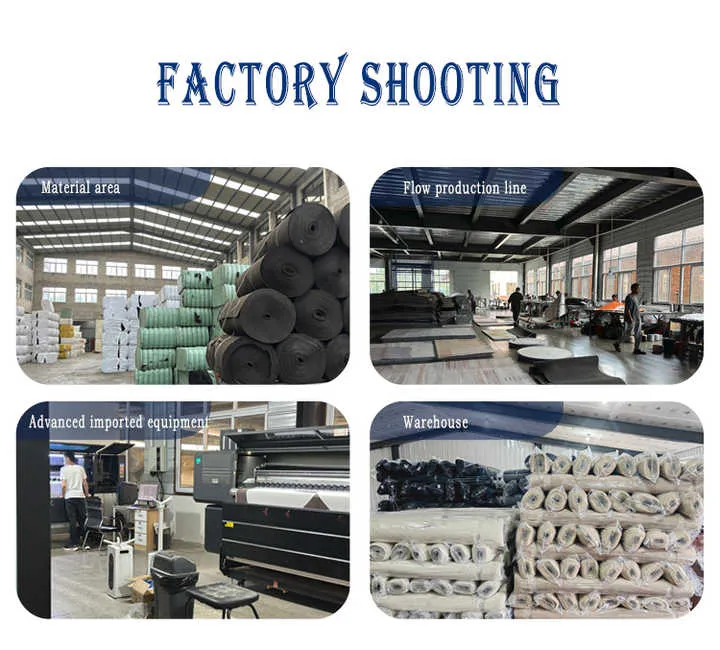
The foundational materials of fake sheepskin blankets generally fall into two primary categories: base fabrics and pile fibers. Base fabrics are typically knitted or woven constructions of 100% polyester, though polypropylene or acrylic blends are occasionally used for specific performance characteristics. The choice of base fabric dictates the overall structural integrity, drape, and dimensional stability of the blanket. Pile fibers, which impart the characteristic soft and wool-like texture, are predominantly composed of micro-denier polyester. The fineness of these fibers (typically <1 denier) is crucial in mimicking the tactile properties of natural sheepskin. Manufacturing processes begin with the production of the base fabric through either warp knitting (tricot or raschel) or weaving. The pile is then created using techniques such as cut-pile knitting, where loops of yarn are cut to create a dense, plush surface, or by employing a tufting process. Tufting involves inserting pile fibers into the base fabric using needles, followed by a latex coating to secure the fibers and a secondary backing fabric for enhanced durability. Critical parameters during manufacturing include yarn tension, loop density, cutting height, and latex application rate. Precise control of these parameters is essential to achieve consistent pile density, softness, and resistance to shedding. Furthermore, the dyeing and finishing processes are crucial for imparting desired aesthetic qualities, such as color fastness, and performance properties like stain resistance. Chemical treatments may include anti-pilling agents to minimize fiber balling and antimicrobial finishes to inhibit bacterial growth.
Performance & Engineering
The performance of fake sheepskin blankets is evaluated across several key engineering parameters. Thermal insulation, measured as R-value or Clo value, is a primary consideration. This is determined by the pile height, fiber density, and air entrapment within the pile structure. Higher pile heights and densities generally result in greater thermal resistance. Mechanical properties, including tensile strength, tear strength, and abrasion resistance, are critical for durability. Tensile strength, assessed according to ASTM D4266, indicates the blanket’s resistance to stretching under load. Tear strength (ASTM D5737) measures its resistance to propagation of tears, while abrasion resistance (ASTM D3886) evaluates its ability to withstand surface wear. Flammability is a significant safety concern. Fake sheepskin blankets, being polyester-based, are inherently flammable and typically require treatment with flame retardants to meet regulatory standards such as California Technical Bulletin 117. The selection and application of these retardants must be carefully controlled to ensure both efficacy and minimal impact on other performance characteristics. Environmental resistance encompasses factors like UV degradation, resistance to mildew, and colorfastness to washing. UV exposure can cause fiber embrittlement and fading, while moisture can promote mildew growth. Testing according to ISO 105-B02 assesses colorfastness to washing. Furthermore, the dimensional stability of the blanket—its tendency to shrink or stretch after washing—is an important factor influencing its longevity and aesthetic appearance. This is assessed through laundering tests per AATCC 135.
Technical Specifications
| Parameter | Unit | Typical Value (Range) | Test Method |
|---|---|---|---|
| Pile Height | mm | 20-30 | ASTM D3689 |
| Pile Density | g/m² | 150-300 | GWST-033 |
| Tensile Strength (Warp/Weft) | N/5cm | >150/>100 | ASTM D4266 |
| Tear Strength | N | >50 | ASTM D5737 |
| Abrasion Resistance | Cycles to Failure | >500 | ASTM D3886 |
| Thermal Resistance (R-value) | m²⋅K/W | 0.8 - 1.2 | ASTM C518 |
Failure Mode & Maintenance
Fake sheepskin blankets are susceptible to several failure modes during their service life. One common issue is pile shedding, caused by the gradual release of individual fibers due to abrasion and mechanical stress. This is exacerbated by low-quality fibers or inadequate fiber locking during manufacturing. Another potential failure mode is delamination, where the pile separates from the base fabric, typically resulting from insufficient latex bonding or repeated washing. Fiber fatigue, particularly in high-stress areas, can lead to localized thinning of the pile and eventual tearing. UV degradation can cause the polyester fibers to become brittle and discolored, reducing the blanket’s aesthetic appeal and structural integrity. Chemical degradation, from exposure to harsh detergents or cleaning agents, can also compromise the fibers and bonding agents. Maintenance is crucial for extending the lifespan of the blanket. Regular vacuuming with a soft brush attachment helps remove dust and debris, minimizing abrasion. Machine washing is generally acceptable, but it’s recommended to use a mild detergent and a gentle cycle. Avoid using bleach or fabric softeners, as these can damage the fibers and compromise the flame retardant properties. Tumble drying on low heat is preferred, or the blanket can be air-dried flat to prevent distortion. Periodic inspection for loose fibers or signs of delamination can allow for timely repair and prevent further damage. Spot cleaning with a mild soap solution is recommended for localized stains.
Industry FAQ
Q: What is the primary difference in durability between a high-pile and a low-pile fake sheepskin blanket?
A: High-pile blankets generally offer greater perceived softness and thermal insulation, but are more susceptible to pile shedding and matting due to the increased fiber length and density. The longer fibers have more opportunities for abrasion and entanglement. Low-pile blankets, while less plush, exhibit superior abrasion resistance and are less prone to shedding, leading to longer-term structural integrity.
Q: How does the choice of base fabric (knitted vs. woven) impact the performance of the blanket?
A: Woven base fabrics typically provide greater dimensional stability and tensile strength compared to knitted fabrics. However, knitted fabrics offer superior drape and conformability. The optimal choice depends on the intended application. For blankets subjected to frequent stretching or stress, a woven base is preferable. For blankets prioritizing softness and flexibility, a knitted base is often more suitable.
Q: What flame retardant treatments are commonly used, and what are their potential drawbacks?
A: Commonly used flame retardants include phosphorus-based compounds and halogenated compounds. Phosphorus-based treatments are generally considered more environmentally friendly, but may exhibit lower efficacy. Halogenated compounds offer excellent flame retardancy but are facing increasing scrutiny due to environmental and health concerns. Drawbacks can include reduced softness, altered dye uptake, and potential for leaching over time.
Q: What is the significance of micro-denier fiber in fake sheepskin blankets?
A: Micro-denier fibers (less than 1 denier) are crucial for replicating the tactile properties of natural sheepskin. The reduced fiber diameter creates a softer, smoother surface with a greater surface area, enhancing the perception of warmth and comfort. They also contribute to a more realistic aesthetic appearance.
Q: What testing standards are most relevant for ensuring the quality and safety of fake sheepskin blankets?
A: Key testing standards include ASTM D4266 (tensile strength), ASTM D5737 (tear strength), ASTM D3886 (abrasion resistance), ASTM C518 (thermal resistance), ISO 105-B02 (colorfastness to washing), AATCC 135 (dimensional stability), and California Technical Bulletin 117 (flammability). Adherence to these standards ensures the blanket meets minimum performance and safety requirements.
Conclusion
Fake sheepskin blankets represent a sophisticated intersection of textile engineering and materials science. The performance characteristics of these products are critically dependent on the selection of raw materials—particularly the polyester fibers and base fabrics—and the precision with which manufacturing processes are controlled. Understanding the inherent trade-offs between softness, durability, flammability, and environmental resistance is paramount for both manufacturers and consumers. Continued innovation in fiber technology, flame retardant chemistry, and manufacturing techniques promises to further enhance the performance and sustainability of these versatile materials.
The future of fake sheepskin blankets lies in the development of bio-based polyester alternatives, improved fiber locking mechanisms to minimize shedding, and more environmentally benign flame retardant treatments. As consumer demand for sustainable and ethically sourced products continues to grow, advancements in these areas will be crucial for maintaining the market competitiveness and long-term viability of the fake sheepskin blanket industry. A comprehensive understanding of the technical parameters and potential failure modes, as outlined in this guide, is essential for ensuring product quality, safety, and consumer satisfaction.