

faux animal area rugs Performance Analysis
Introduction
Faux animal area rugs represent a significant segment within the broader decorative flooring market, positioned as ethical and cost-effective alternatives to genuine animal hides. These rugs, manufactured using synthetic materials, aim to replicate the aesthetic appeal of animal skins – typically cowhide, sheepskin, or tiger/leopard prints – without the associated animal welfare concerns or the high price point. Their technical positioning lies in the intersection of textile engineering, polymer chemistry, and surface finishing techniques. Core performance characteristics include durability, aesthetic fidelity to natural hides, resistance to wear and staining, and ease of maintenance. The industry faces challenges concerning material longevity, accurate color matching, and minimizing environmental impact during production and disposal. This guide provides an in-depth technical analysis of faux animal area rugs, covering material science, manufacturing processes, performance attributes, failure modes, and relevant industry standards.
Material Science & Manufacturing
The foundation of faux animal area rugs lies in the selection and processing of synthetic materials. The most common base materials are polyester, acrylic, polypropylene, and increasingly, polyurethane (PU) variations. Polyester offers excellent colorfastness and abrasion resistance, making it suitable for high-traffic areas. Acrylic provides a softer, wool-like texture, often used in rugs attempting to mimic sheepskin. Polypropylene, known for its inherent stain resistance and affordability, is frequently employed in rugs designed for both indoor and outdoor use. PU offers a particularly realistic leather-like feel and is often used in higher-end faux hides. Manufacturing processes vary based on the desired texture and appearance. A common method involves creating a woven or non-woven fabric base, followed by the application of a coating or flocking process to simulate the animal hide pattern. Flocking involves adhering short fibers to an adhesive-coated substrate, while coating uses liquid polymers embossed with a textured pattern. Critical parameters include fiber denier (influencing softness and texture), pile height (affecting the rug's overall thickness and comfort), and the density of the applied coating. Color matching is achieved through precise pigment blending and digital printing techniques. Post-processing includes shearing, dyeing, and applying protective finishes to enhance stain resistance and UV stability. The adhesion between the base fabric and the coating/flocking layer is critical for durability; insufficient adhesion leads to delamination, a common failure mode. Quality control relies on rigorous testing of tensile strength, abrasion resistance (using Martindale or Wyzenbeek tests), and colorfastness to light and washing.

Performance & Engineering
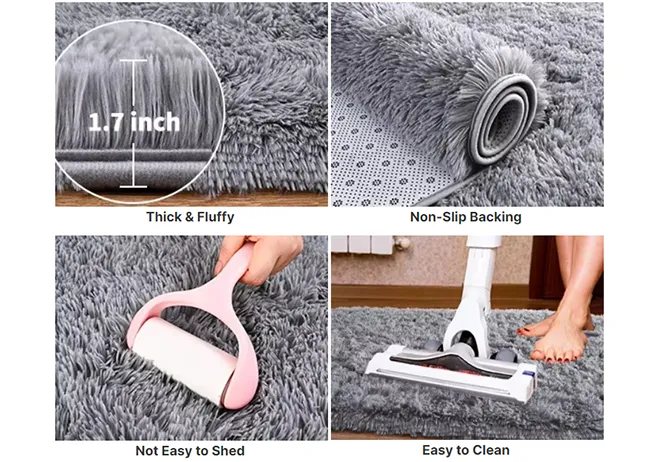
The performance of faux animal area rugs is dictated by a complex interplay of material properties and structural design. Force analysis reveals that the rug’s ability to withstand compression and shear stresses is dependent on the density and resilience of the pile material. Higher pile densities generally translate to increased durability and improved resistance to matting. Environmental resistance is a key consideration. UV exposure can cause color fading and polymer degradation, particularly in polypropylene and acrylic fibers. Therefore, UV stabilizers are commonly incorporated into the polymer formulation. Moisture resistance is also crucial, as prolonged exposure to moisture can promote mildew growth and contribute to fiber breakdown. Many faux hides are treated with water-repellent finishes to enhance their resistance to spills. Compliance requirements depend on the intended market. In the US, the Federal Flammability Standard (16 CFR Part 1610) dictates flammability testing requirements for rugs and carpets. European standards, such as EN 13501-1, classify building materials based on their reaction to fire. In terms of functional implementation, the rug’s backing material plays a vital role. Latex or PVC backings provide additional cushioning and prevent slippage. Non-slip backings are particularly important for safety in high-traffic areas. The dimensional stability of the rug – its resistance to shrinking or stretching – is also critical. This is controlled through heat-setting processes during manufacturing and the use of dimensionally stable backing materials.
Technical Specifications
| Parameter | Polyester | Acrylic | Polypropylene | Polyurethane (PU) |
|---|---|---|---|---|
| Tensile Strength (MPa) | 60-80 | 40-60 | 20-30 | 80-100 |
| Abrasion Resistance (cycles, Martindale) | 50,000+ | 25,000-50,000 | 15,000-30,000 | 75,000+ |
| Colorfastness to Light (Grey Scale Rating, ISO 105-B02) | 6-7 | 4-6 | 5-6 | 7-8 |
| Water Absorption (%) | 0.5-1.0 | 1.5-2.5 | 0.1-0.5 | 0.3-0.8 |
| Pile Height (mm) | 20-50 | 30-60 | 10-30 | 15-40 |
| Weight (g/m²) | 800-1500 | 600-1200 | 400-800 | 1200-2000 |
Failure Mode & Maintenance
Faux animal area rugs, despite their synthetic construction, are susceptible to various failure modes. Delamination, as previously mentioned, occurs when the coating or flocking layer separates from the base fabric, often due to inadequate adhesion or repeated stress. Fiber shedding is common, particularly in acrylic and polypropylene rugs, resulting in a loss of pile density and a change in appearance. Color fading, induced by UV exposure, is a prevalent issue, especially in rugs lacking sufficient UV stabilizers. Cracking or crazing can occur in PU-based rugs due to plasticizer migration and exposure to temperature fluctuations. Wear and tear in high-traffic areas leads to localized abrasion and fiber breakdown, creating visible paths or worn spots. Stain penetration, despite stain-resistant finishes, can occur with aggressive staining agents. Maintenance is crucial for extending the lifespan of these rugs. Regular vacuuming removes loose debris and prevents fiber matting. Spot cleaning with mild detergent and water is recommended for spills. Avoid harsh chemicals and abrasive cleaners, as these can damage the fibers and coatings. Professional cleaning is advisable for deep cleaning and stain removal. Protecting the rug from direct sunlight and excessive moisture can significantly reduce the rate of degradation. Rotation of the rug periodically can distribute wear evenly and prevent localized damage.
Industry FAQ
Q: What is the primary difference between polyester and acrylic faux hides in terms of durability?
A: Polyester generally exhibits superior durability to acrylic. It possesses higher tensile strength and abrasion resistance, making it better suited for high-traffic areas. Acrylic, while softer, is more prone to wear and shedding, and exhibits lower colorfastness, meaning it’s more likely to fade over time.
Q: How effective are stain-resistant treatments on these rugs, and what types of stains are most problematic?
A: Stain-resistant treatments offer moderate protection. They are effective against water-based stains but less so against oil-based stains, such as grease or cosmetics. Permanent marker and certain dyes can also be difficult to remove. Prompt cleaning is critical to maximize the effectiveness of the treatment.
Q: What is the environmental impact of manufacturing faux animal hides compared to genuine hides?
A: While faux hides avoid the ethical concerns associated with animal welfare, they present their own environmental challenges. The production of synthetic polymers relies on fossil fuels. However, the overall environmental footprint is often lower than that of genuine hides, which require significant land use for grazing and contribute to greenhouse gas emissions. Recycling options for faux hides are limited, but advancements are being made in developing biodegradable synthetic materials.
Q: How can I assess the quality of the backing material and its impact on rug performance?
A: Examine the backing for consistency and density. Latex and PVC backings should be uniformly applied and free of cracks or defects. A higher density backing provides better cushioning and prevents slippage. Look for backings that are compatible with the floor type to avoid discoloration or damage.
Q: What are the key considerations when selecting a faux hide for outdoor use?
A: Polypropylene is the most suitable material for outdoor use due to its inherent water resistance, UV resistance, and affordability. Ensure the rug is treated with a UV stabilizer to prevent fading. A drainage backing is also beneficial to prevent water from pooling beneath the rug.
Conclusion
Faux animal area rugs offer a compelling combination of aesthetics, affordability, and ethical considerations. Their performance is intrinsically linked to the material science underpinning their construction, with polyester and polyurethane generally offering superior durability and resistance compared to acrylic and polypropylene. Understanding the manufacturing processes – from fiber selection to coating application – is critical for evaluating product quality and predicting long-term performance.
Effective maintenance, including regular cleaning and protection from environmental factors, is paramount to maximizing the lifespan of these rugs. Ongoing research and development are focused on improving the sustainability of faux hide production through the use of recycled materials and biodegradable polymers. As consumer demand for ethical and eco-friendly products continues to grow, faux animal area rugs are poised to remain a significant segment within the decorative flooring market.