

faux animal skin throws Performance Analysis

Introduction
Faux animal skin throws, also known as imitation fur throws or synthetic fur blankets, represent a significant segment within the home textiles industry. Positioned as an ethical and often more affordable alternative to genuine animal fur, these throws serve primarily as decorative and comfort items. Their technical positioning within the textile chain is as a finished product derived from synthetic fiber production, fabric construction (knitting or weaving), and surface treatment processes. Core performance characteristics center around aesthetic appeal (simulating the look and feel of animal fur), thermal insulation, durability, and ease of care. The industry faces challenges related to achieving realistic textures, ensuring colorfastness, minimizing shedding, and complying with flammability standards. Recent advancements focus on utilizing recycled materials and bio-based polymers to enhance sustainability and reduce environmental impact. Understanding the material science and manufacturing processes are critical to evaluating product quality and longevity. This guide will detail these aspects, along with performance considerations, potential failure modes, and applicable industry standards.
Material Science & Manufacturing
The foundation of faux animal skin throws lies in synthetic fibers, primarily 100% polyester, though acrylic and modacrylic fibers are also utilized. Polyester is favored for its cost-effectiveness, durability, resistance to stretching and shrinking, and ability to hold dye effectively. Acrylic offers a softer hand feel, more closely resembling natural fur, but typically exhibits lower abrasion resistance. Modacrylic is often blended to improve flame retardancy. Fiber denier (fineness) significantly impacts the texture – lower denier fibers create a finer, more realistic fur, while higher denier fibers offer greater bulk and robustness.
Manufacturing typically involves several key steps: Fiber Production: Polymerization of raw materials (typically ethylene glycol and terephthalic acid for polyester) yields synthetic fibers. Yarn Formation: Fibers are spun into yarns using processes like ring spinning or open-end spinning. The yarn type (e.g., textured yarn) influences the loop pile or cut pile appearance. Fabric Construction: Two primary methods are used: Knitting: Creates a looped pile structure offering stretch and comfort. Tricot and warp knitting are common. Weaving: Provides a denser, more durable fabric with a defined weave pattern. Pile weaving techniques are crucial for fur-like textures. Dyeing and Finishing: Yarn or fabric is dyed to achieve the desired color and pattern. Finishing treatments include brushing, shearing, and softening to create the characteristic fur-like texture. Parameter control is vital during each stage. Dye bath temperature, pH levels, and dwell time directly affect colorfastness. Shearing precision determines the pile height and uniformity, impacting aesthetic quality and tactile perception. Fiber entanglement during knitting or weaving must be optimized to minimize shedding. The chemical composition of softening agents must be compatible with the fiber to prevent degradation.
Performance & Engineering
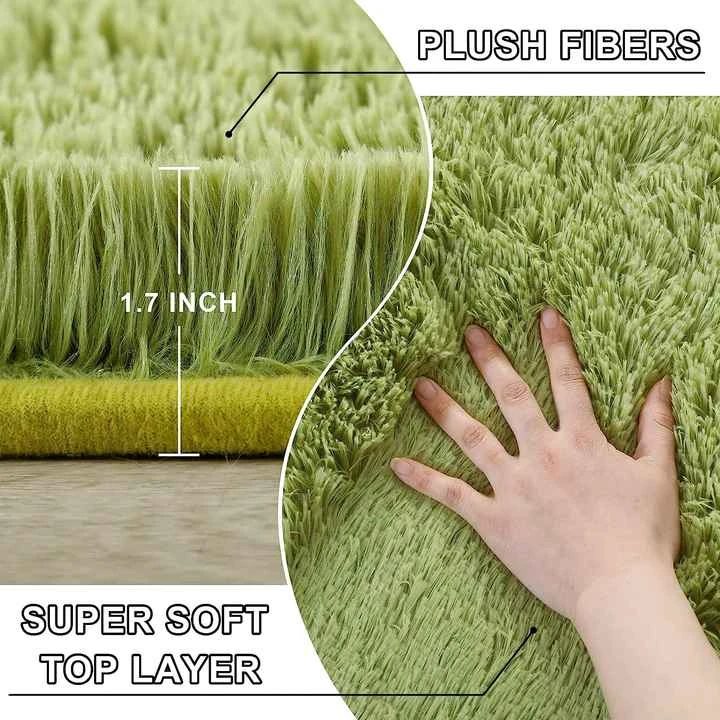
The performance of faux animal skin throws is assessed based on several key engineering properties. Thermal Insulation: Measured by thermal resistance (R-value), which dictates the blanket’s ability to retain heat. Pile height, density, and fiber type all contribute. Higher pile density generally translates to better insulation. Tensile Strength and Tear Resistance: Critical for durability. These properties are tested using standardized methods (ASTM D5035 for tensile strength, ASTM D1424 for tear resistance). Weave or knit structure significantly impacts these values. Pilling Resistance: A key aesthetic concern. Pilling occurs due to fiber breakage and entanglement on the surface. Pilling resistance is assessed using visual scales and standardized test methods (ASTM D3512). Flammability: A crucial safety requirement. Faux fur throws must meet flammability standards (see section 7). Flame retardant finishes are often applied to meet these standards. Colorfastness: Resistance to fading or bleeding when exposed to light, washing, or rubbing. Colorfastness is evaluated using standardized tests (AATCC 165 for light fastness, AATCC 61 for wash fastness). Abrasion Resistance: Measures the ability of the fabric to withstand wear and tear. This is vital in high-traffic areas. Compliance requirements vary by region. In the US, the Federal Flammable Fabrics Act (FFA) sets flammability standards. In Europe, EN 13688 specifies requirements for textile products for home and institutional use. Force analysis during use involves evaluating the stresses on the fabric due to weight and movement. This determines the required tensile strength and tear resistance for long-term performance.
Technical Specifications
| Parameter | Unit | Typical Value (Low End) | Typical Value (High End) |
|---|---|---|---|
| Fiber Composition | - | 100% Polyester | 100% Acrylic / Polyester Blend |
| Pile Height | mm | 15 | 60 |
| Fabric Weight | g/m² | 200 | 500 |
| Tensile Strength (Warp) | N/5cm | 20 | 80 |
| Tensile Strength (Weft) | N/5cm | 20 | 70 |
| Colorfastness to Light | Grade (1-5) | 3 | 5 |
Failure Mode & Maintenance
Faux animal skin throws are susceptible to several failure modes. Shedding: Loss of fibers from the pile, reducing aesthetic appeal and potentially causing respiratory irritation. This is often due to inadequate fiber entanglement during manufacturing or abrasion during use. Matting: Compression and flattening of the pile, reducing loft and insulation. Caused by prolonged pressure or improper cleaning. Pilling: Formation of small balls of fiber on the surface, diminishing the appearance. Result of fiber breakage and re-entanglement. Color Fading: Loss of color intensity due to UV exposure or repeated washing. Degradation: Chemical breakdown of the fibers, leading to loss of strength and flexibility. Can occur due to exposure to harsh chemicals or prolonged high temperatures. Seam Failure: Rupture of the seams due to stress or weak stitching.
Professional maintenance involves gentle care. Cleaning: Machine wash in cold water on a gentle cycle. Avoid harsh detergents and bleach. Tumble dry on low heat or air dry. Regularly vacuuming with a soft brush attachment can help remove loose fibers and prevent matting. Storage: Store in a cool, dry place away from direct sunlight. Avoid storing under heavy objects. If significant matting occurs, professional grooming with a specialized brush may help restore some loft. For severe degradation or seam failure, repair may be impractical, and replacement is often the most cost-effective solution. Preventative measures include rotating the throw to distribute wear evenly and avoiding exposure to extreme conditions.
Industry FAQ
Q: What is the primary difference between polyester and acrylic faux fur, and how does it affect performance?
A: Polyester generally offers superior durability, abrasion resistance, and cost-effectiveness. Acrylic, however, provides a softer, more luxurious hand feel that more closely mimics natural fur. This difference in tactile quality often influences consumer preference. Polyester-based throws tend to hold their shape better and are less prone to matting, while acrylic throws may shed more and require more delicate handling.
Q: How do flammability standards impact the manufacturing process and material selection?
A: Flammability standards, such as those defined by the FFA in the US and EN 13688 in Europe, necessitate the use of flame-retardant finishes or inherently flame-resistant fibers. These treatments can affect the hand feel and drape of the fabric and add to the manufacturing cost. Manufacturers must carefully balance safety compliance with aesthetic and performance requirements.
Q: What are the key factors determining the "realism" of a faux fur throw?
A: Realism is dictated by several factors. Pile height and density are paramount – a longer, denser pile mimics natural fur more effectively. Fiber denier also plays a role, with finer fibers creating a more realistic texture. Color variation and realistic tipping (subtle variations in fiber color) contribute to visual authenticity. Finally, the quality of the finishing process, including brushing and shearing, significantly impacts the overall appearance.
Q: How can shedding be minimized in faux fur throws?
A: Minimizing shedding requires careful control of the manufacturing process. Optimizing fiber entanglement during knitting or weaving is critical. Using higher-quality fibers and ensuring proper brushing and shearing can also reduce shedding. Regular vacuuming with a soft brush attachment is recommended for consumers to remove loose fibers and prevent buildup.
Q: What is the environmental impact of faux fur production, and are there any sustainable alternatives?
A: Traditional faux fur production relies on petroleum-based polyester, contributing to plastic waste. However, advancements are being made with recycled polyester and bio-based alternatives, such as fibers derived from corn or sugarcane. These sustainable options offer a reduced environmental footprint and are gaining traction in the market. The overall lifecycle assessment, including energy consumption during manufacturing and end-of-life disposal, must be considered when evaluating environmental impact.
Conclusion
Faux animal skin throws represent a complex intersection of material science, textile engineering, and consumer demand. Achieving optimal performance requires a comprehensive understanding of fiber properties, manufacturing processes, and relevant industry standards. Addressing challenges related to shedding, durability, and flammability is crucial for producing high-quality, long-lasting products. The ongoing shift towards sustainable materials and manufacturing practices is driving innovation within the industry and offering environmentally responsible alternatives.
Future developments will likely focus on enhancing the realism of faux fur textures, improving the performance of recycled and bio-based materials, and developing more durable and flame-resistant finishes. Continued research into fiber technology and manufacturing techniques will be essential for meeting evolving consumer expectations and addressing environmental concerns. A holistic approach, encompassing material selection, process control, and quality assurance, will be vital for ensuring the continued success of the faux animal skin throw market.