

faux fur 8x10 rug Performance Analysis
Introduction
The 8x10 faux fur rug represents a significant segment within the broader decorative textile market. Positioned as a synthetic alternative to natural fur, it addresses ethical concerns and cost considerations while aiming to replicate the aesthetic and tactile qualities of animal pelts. This guide details the material science, manufacturing processes, performance characteristics, potential failure modes, and maintenance protocols relevant to this product category. Its position in the supply chain extends from petrochemical feedstock to consumer retail, encompassing fiber production, dyeing, backing materials, and finishing processes. Core performance metrics center around pile height, density, fiber shedding, colorfastness, and resistance to abrasion and compression set. Addressing industry pain points surrounding durability, consistent quality, and sustainable sourcing is crucial for manufacturers and distributors.
Material Science & Manufacturing
Faux fur rugs predominantly utilize synthetic fibers, most commonly modacrylic, acrylic, and polyester. Modacrylic fibers, copolymers of acrylonitrile and other monomers, are favored for their inherent flame resistance and wool-like crimp. Acrylic fibers, derived from acrylonitrile polymerization, offer affordability and good dyeability, though typically possess lower resilience. Polyester, a thermoplastic polymer, provides excellent durability and stain resistance. The backing material typically consists of a woven polypropylene or jute fabric coated with a latex or polyurethane adhesive to secure the fibers.
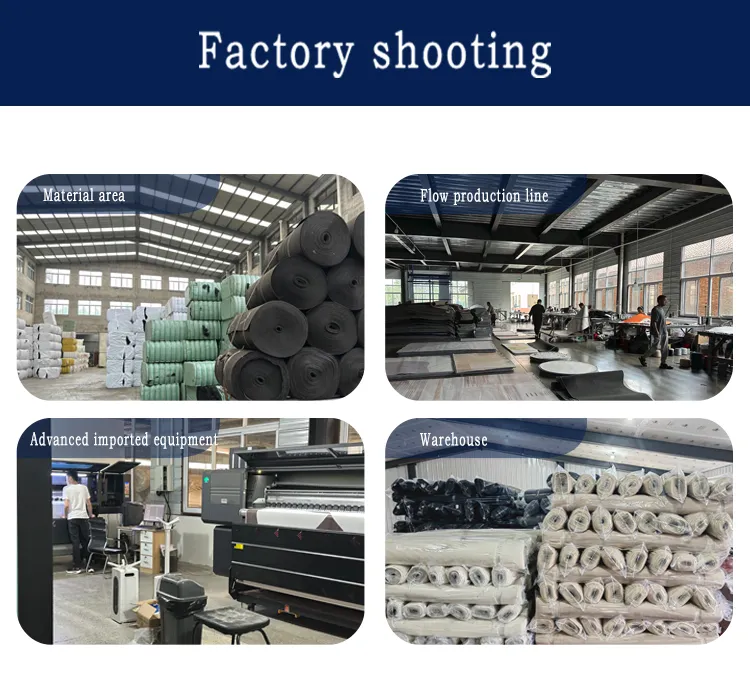
Manufacturing commences with polymer production and fiber extrusion. The polymer is melted and forced through spinnerets to form continuous filaments. These filaments are then crimped – either mechanically or through chemical modification – to impart bulk and texture. The crimped fibers are subsequently dyed using various techniques including stock dyeing (dyeing before fiber formation) and piece dyeing (dyeing the finished fabric). The dyeing process necessitates careful control of temperature, pH, and dye concentration to ensure colorfastness and even penetration. Following dyeing, the fibers are tufted into the backing fabric using specialized tufting machines. Pile height is controlled by adjusting the loop pile or cut pile settings. Finally, the rug undergoes shearing to achieve a uniform appearance, and a latex or polyurethane coating is applied to the backing for added stability and dimensional control. Critical parameters include fiber denier (fineness), yarn twist, tufting density, and adhesive viscosity. Maintaining consistent tension throughout the tufting process is paramount to preventing fiber pull-out and ensuring rug integrity.
Performance & Engineering
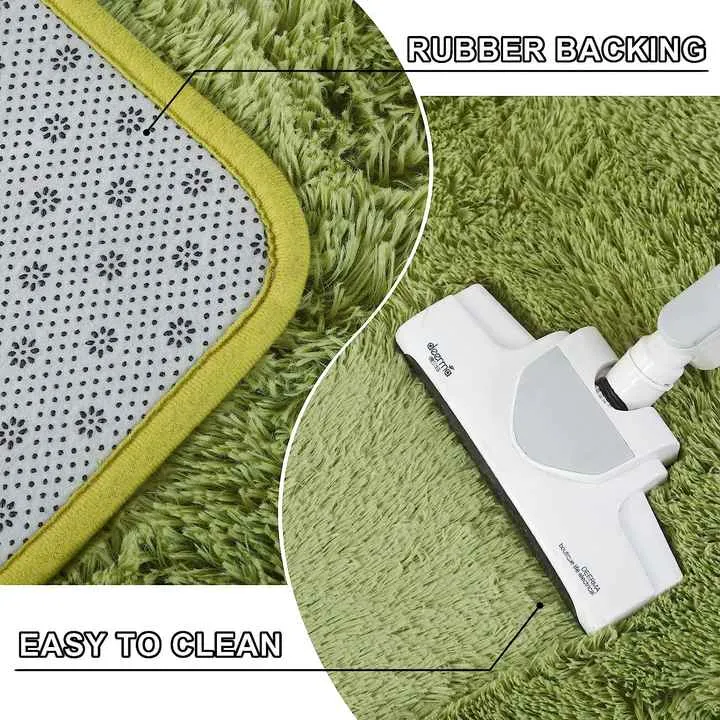
The performance of an 8x10 faux fur rug is dictated by several engineering considerations. Force analysis involves assessing the pile's resistance to compression, tensile strength of the fibers, and the shear strength of the fiber-backing interface. High pile density contributes to a softer feel but can also increase compression set (permanent deformation under sustained load). Environmental resistance includes assessing colorfastness to light exposure (UV degradation of the polymer), resistance to water absorption (hydrophobicity), and flammability. Most faux fur rugs meet basic flammability standards but do not offer the inherent fire resistance of natural wool. Compliance requirements vary by region, with standards such as California Proposition 65 regulating the levels of certain chemicals (e.g., formaldehyde) in the product. The backing material’s resistance to delamination and cracking under stress is also a vital aspect of long-term durability. Fiber shedding is a common performance characteristic, and engineering efforts focus on minimizing this through optimized tufting techniques and fiber locking mechanisms. Static electricity buildup can also be a concern, particularly in low-humidity environments, and anti-static treatments are often applied.
Technical Specifications
| Parameter | Units | Typical Value (Range) | Test Method |
|---|---|---|---|
| Pile Height | mm | 50 – 80 | ASTM D3885 |
| Pile Density | g/m² | 800 – 1500 | In-house QC Method |
| Fiber Composition | % | Modacrylic: 60-80, Acrylic: 10-30, Polyester: 0-10 | FTIR Spectroscopy |
| Colorfastness to Light | Rating (1-5) | 4-5 (Gray Scale) | AATCC 16 |
| Tensile Strength (Fiber) | cN/tex | 50 – 100 | ASTM D2256 |
| Water Absorption | % | < 3 | AATCC 11 |
Failure Mode & Maintenance
Common failure modes in faux fur 8x10 rugs include fiber shedding, matting (loss of pile resilience), delamination of the backing, and color fading. Fiber shedding is primarily caused by insufficient fiber locking during tufting, resulting in fibers becoming loose and detaching with use. Matting occurs due to repeated compression and abrasion, causing the fibers to lose their crimp and become flattened. Delamination arises from inadequate adhesive bonding between the fibers and the backing, exacerbated by moisture exposure. Color fading results from prolonged exposure to ultraviolet (UV) radiation, leading to polymer degradation. Oxidation of the acrylic or modacrylic fibers can also lead to brittleness and discoloration.
Maintenance recommendations include regular vacuuming (using a suction-only nozzle to avoid pulling fibers), spot cleaning with a mild detergent and water, and avoiding direct sunlight exposure. Professional cleaning is recommended for deep cleaning and stain removal. To mitigate delamination, avoid excessive moisture and ensure adequate ventilation. Addressing fiber shedding involves gently brushing the rug in the direction of the pile. Preventative measures include using rug pads to distribute weight evenly and protect the backing, and rotating the rug periodically to minimize uneven wear. In cases of significant damage, professional repair or replacement is often the most cost-effective solution.
Industry FAQ
Q: What is the difference between modacrylic and acrylic fibers in terms of rug performance?
A: Modacrylic fibers offer superior flame resistance compared to acrylic, making them a safer option. While acrylic is more affordable, modacrylic provides better resilience and a closer resemblance to natural fur in terms of texture and drape. Acrylic is also more prone to pilling than modacrylic.
Q: How does the backing material affect the overall durability of the rug?
A: The backing provides structural support and prevents delamination. A high-quality woven polypropylene or jute backing coated with a durable latex or polyurethane adhesive is crucial for long-term performance. Backing materials prone to cracking or moisture absorption will significantly reduce the rug's lifespan.
Q: What measures can be taken to prevent color fading due to sunlight exposure?
A: Minimizing direct sunlight exposure is the most effective preventative measure. Using curtains or blinds, or rotating the rug periodically, can help reduce UV radiation exposure. Some manufacturers also apply UV stabilizers to the fibers during the dyeing process.
Q: Is faux fur rug suitable for high-traffic areas?
A: While faux fur rugs offer a luxurious feel, they are generally not ideal for high-traffic areas due to their susceptibility to matting and fiber shedding. Regular maintenance and the use of a rug pad can help mitigate these issues, but a more durable rug type (e.g., polypropylene) is recommended for heavily used spaces.
Q: How can I tell if the latex backing is degrading?
A: Signs of latex degradation include a crumbling or powdery texture on the backing, a noticeable odor, and increased rug flexibility. This usually indicates the adhesive is losing its bond and the rug is at risk of delamination.
Conclusion
The 8x10 faux fur rug represents a complex interplay of material science, manufacturing engineering, and performance considerations. Achieving a durable, aesthetically pleasing, and safe product necessitates careful selection of fiber types, optimized tufting processes, and robust backing materials. Understanding the potential failure modes – including fiber shedding, matting, delamination, and color fading – is critical for informed maintenance and preventative care.
Future development in this area will likely focus on sustainable sourcing of synthetic fibers, enhanced adhesive technologies for improved backing durability, and innovative fiber locking mechanisms to minimize shedding. Furthermore, advancements in UV stabilization and anti-static treatments will continue to improve the long-term performance and consumer appeal of these rugs.