

faux fur area rug 5x7 Performance Analysis

Introduction
Faux fur area rugs, specifically the 5x7 configuration, represent a significant segment within the broader floor covering industry. These rugs are designed to mimic the aesthetic and tactile qualities of genuine animal fur, providing a luxurious and comfortable surface while circumventing ethical concerns and often offering a more accessible price point. Technically positioned as a decorative textile, their production bridges material science, fiber engineering, and surface finishing technologies. Core performance characteristics center around pile density, fiber composition, and backing durability, all of which directly influence the rug’s feel, appearance retention, and lifespan. The 5x7 size is particularly popular for defining spaces within larger rooms—such as seating areas, bedrooms, or hallways—making it a common specification demanded by both residential and commercial buyers. A critical industry pain point is maintaining consistent quality in terms of fiber shedding, colorfastness, and structural integrity across different production batches and suppliers.
Material Science & Manufacturing
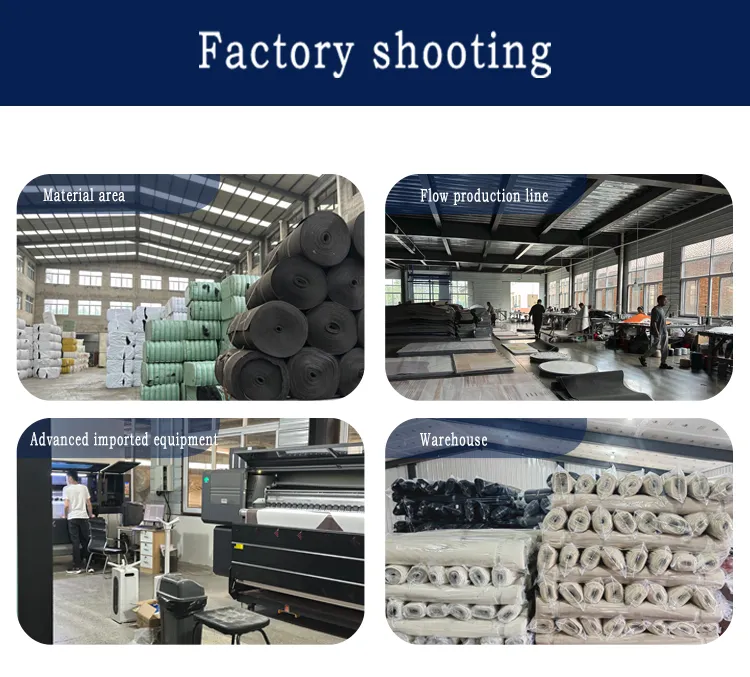
The primary material in faux fur rugs is typically a synthetic fiber, most commonly polypropylene (PP) or acrylic. Polypropylene is favored for its cost-effectiveness, stain resistance, and relatively high tensile strength. Acrylic offers a softer, more luxurious feel and improved dye uptake, resulting in richer color saturation, but generally exhibits lower abrasion resistance. The manufacturing process begins with the extrusion of these polymers into fine filaments. These filaments are then processed through a crimping stage, imparting texture and bulk, crucial for replicating the appearance of natural fur. The crimped fibers are subsequently heat-set to maintain their shape and then cut to a specific length, dictating the pile height. The pile is then attached to a backing material, typically jute, polypropylene, or a combination thereof, using a tufting or weaving process. Tufting involves inserting the fibers into the backing with needles, followed by latex adhesion. Weaving interlocks the fibers directly into the backing, resulting in greater structural stability. Key parameter control includes maintaining consistent polymer melt flow index during extrusion, precise temperature control during heat-setting to prevent fiber distortion, and accurate latex application rates for optimal fiber lock-in. The quality of the backing material is paramount as it dictates the rug’s overall dimensional stability and resistance to delamination. Finishing treatments, such as brushing and shearing, are applied to achieve the desired pile density and aesthetic appeal.
Performance & Engineering
Performance of a faux fur rug is assessed based on several engineering factors. Pile density, measured in ounces per square yard, directly correlates with the rug’s softness and perceived luxury. Higher density generally translates to a more comfortable underfoot experience. Tensile strength, evaluated according to ASTM D4597, indicates the rug's resistance to tearing and deformation under stress. Environmental resistance is crucial; UV exposure can cause color fading and fiber degradation, while moisture can promote mildew growth. Colorfastness to light and washing (tested per ISO 105-B02 and ISO 105-C06, respectively) are critical specifications. The backing material’s impact resistance and resilience are assessed to prevent compression set and ensure long-term structural integrity. Force analysis, particularly compression testing, reveals the rug's ability to withstand repeated foot traffic. Compliance requirements vary by region. In the US, flammability standards (e.g., DOC-FF 1-70) must be met. European standards (e.g., EN 13501-1) impose stricter fire safety regulations. Furthermore, the presence of potentially harmful substances, such as formaldehyde and phthalates, is regulated by REACH and other environmental directives. Proper engineering also considers the rug's static charge accumulation, and antistatic treatments may be applied to mitigate this.
Technical Specifications
| Parameter | Unit | Typical Value (5x7 Rug) | Testing Standard |
|---|---|---|---|
| Pile Height | mm | 38-50 | N/A (Visual Inspection) |
| Pile Density | oz/yd² | 800-1200 | ASTM D1569 |
| Fiber Composition | % | 100% Polypropylene or Acrylic | FTIR Spectroscopy |
| Backing Material | Type | Jute or Polypropylene | Visual Inspection |
| Tensile Strength (Warp) | lbs | >80 | ASTM D4597 |
| Tensile Strength (Weft) | lbs | >60 | ASTM D4597 |
| Colorfastness to Light | Rating (1-5) | 4-5 | ISO 105-B02 |
| Colorfastness to Washing | Rating (1-5) | 3-4 | ISO 105-C06 |
| Flammability | Classification | Pass DOC-FF 1-70 | DOC-FF 1-70 |
| Formaldehyde Content | ppm | <75 | ASTM D6420 |
| Moisture Absorption | % | <2% | ASTM D2583 |
| Dimensional Stability | % change | < 1% | ISO 23937 |
Failure Mode & Maintenance
Common failure modes in faux fur rugs include fiber shedding, particularly during initial use, which is often related to loose fibers from the manufacturing process. Delamination of the pile from the backing is another frequent issue, typically caused by inadequate latex adhesion or wear and tear from foot traffic. Fiber matting and crushing occur under sustained pressure, reducing the rug’s plushness and aesthetic appeal. Oxidation of polypropylene fibers, due to prolonged UV exposure, leads to color fading and embrittlement. Stain penetration can also contribute to degradation, especially with oil-based substances. Maintenance to mitigate these failures involves regular vacuuming with a suction-only attachment to remove loose debris and prevent fiber entanglement. Prompt stain removal using appropriate cleaning agents (avoiding harsh chemicals) is crucial. Rotation of the rug every 6-12 months distributes wear evenly. For delamination, professional re-gluing of the pile may be necessary. To prevent oxidation, minimize direct sunlight exposure or utilize UV-protective window films. Periodically fluffing the pile with a soft brush restores its appearance. Avoid aggressive brushing, which can damage the fibers. Professional cleaning is recommended annually.
Industry FAQ
Q: What is the primary difference between polypropylene and acrylic faux fur rugs in terms of durability?
A: Polypropylene generally exhibits superior abrasion resistance compared to acrylic. While acrylic offers a softer feel and better dyeability, it's more prone to pilling and fiber breakage under heavy foot traffic. Polypropylene is considered more robust for high-traffic areas, though both materials will degrade over time with use and exposure to elements.
Q: How does the backing material influence the longevity of a faux fur rug?
A: The backing material is critical for dimensional stability and preventing delamination. Jute backings are more environmentally friendly but less resistant to moisture and decay than polypropylene backings. A high-quality polypropylene backing provides better structural support and resilience, extending the rug's lifespan, especially in damp environments.
Q: What are the key considerations for colorfastness testing and ensuring long-lasting color vibrancy?
A: Colorfastness is assessed using standards like ISO 105-B02 (light) and ISO 105-C06 (washing). Higher ratings indicate better color retention. Factors influencing colorfastness include the dye type, fiber composition, and UV stabilizers used during manufacturing. Rugs intended for sunny locations should utilize dyes with excellent UV resistance.
Q: How does the pile density affect the feel and performance of the rug?
A: Pile density, measured in ounces per square yard, directly impacts the rug’s softness and comfort. Higher density generally means a plusher feel. However, excessively high density can reduce airflow and potentially contribute to heat buildup. It also affects the rug’s ability to recover from compression.
Q: What flammability standards are typically applicable to faux fur rugs, and what testing methods are used?
A: In the US, DOC-FF 1-70 is a common flammability standard. In Europe, EN 13501-1 is widely used, which offers a more comprehensive classification system. Testing involves exposing the rug to a flame source and measuring its burning rate, flame spread, and smoke production. Compliance ensures consumer safety.
Conclusion
The 5x7 faux fur area rug represents a sophisticated intersection of textile engineering, material science, and aesthetic design. Understanding the nuances of fiber composition—primarily polypropylene and acrylic—along with the impact of manufacturing processes like tufting and weaving, is fundamental to evaluating product performance and longevity. Key technical specifications, including pile density, tensile strength, and colorfastness, provide quantifiable metrics for assessing quality and durability.
Looking forward, innovations in bio-based polymers and sustainable manufacturing practices will likely play an increasingly prominent role in the faux fur rug industry. Continued development of improved latex adhesion technologies and more durable backing materials will address common failure modes like delamination. Furthermore, enhanced UV protection treatments will extend the lifespan of these rugs, even in high-exposure environments. Careful consideration of these technical factors will be crucial for both manufacturers and consumers seeking high-quality, long-lasting faux fur area rugs.