


faux fur bedside rug Performance Analysis
Introduction
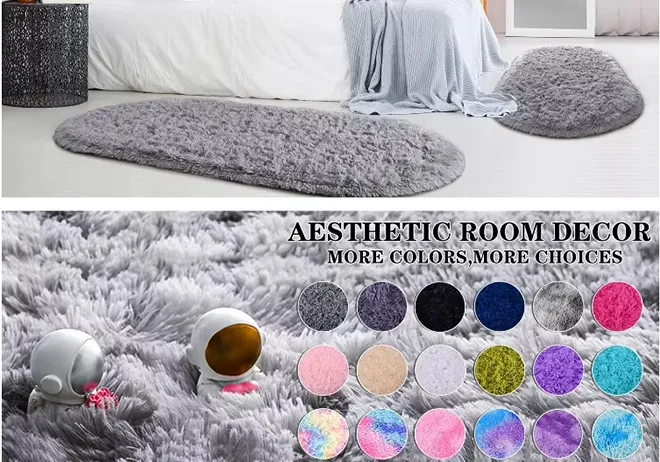
Faux fur bedside rugs represent a category of textile floor coverings specifically designed for placement adjacent to beds, prioritizing comfort, aesthetic appeal, and a degree of functional utility. Within the broader textile industry, these rugs occupy a niche blending decorative home furnishings with the performance requirements of low-pile carpeting. They are distinct from area rugs intended for larger spaces, focusing instead on localized softness and tactile pleasure. The core performance characteristics include pile density, fiber composition mimicking natural fur, dimensional stability, and resistance to common wear factors like compression and shedding. A key challenge in the industry revolves around balancing the luxurious feel of genuine fur with the ethical and economic constraints driving demand for synthetic alternatives. This guide provides a comprehensive technical overview of faux fur bedside rugs, encompassing material science, manufacturing processes, performance specifications, failure modes, and relevant industry standards.
Material Science & Manufacturing
The primary material in faux fur bedside rugs is typically a polyester or acrylic fiber, often a blend to optimize performance and cost. Polyester offers excellent durability, stain resistance, and colorfastness, while acrylic provides a softer hand feel more closely resembling natural fur. The fibers are produced via melt spinning, a process where polymer granules are heated and extruded through spinnerets to form continuous filaments. These filaments are then crimped to create bulk and texture. The backing material is commonly polypropylene or jute, providing structural support and preventing slippage. Manufacturing involves several key steps. First, the fibers are tufted or woven into a backing material using specialized machinery. Tufting involves inserting loops of yarn into the backing, followed by shearing to create a cut pile. Weaving interlocks the fibers directly into the backing, resulting in a denser, more durable rug. Following this, a latex or polyurethane coating is applied to secure the fibers and enhance dimensional stability. Crucially, parameter control during extrusion – temperature, extrusion rate, and cooling speed – directly influences fiber morphology and thus, the rug’s texture and resilience. Dyeing is typically performed at the fiber stage to ensure uniform color penetration. Quality control focuses on fiber denier (fineness), pile height uniformity, and coating adhesion strength. Chemical compatibility between the fiber, backing, and coating is paramount to prevent delamination and ensure longevity.
Performance & Engineering
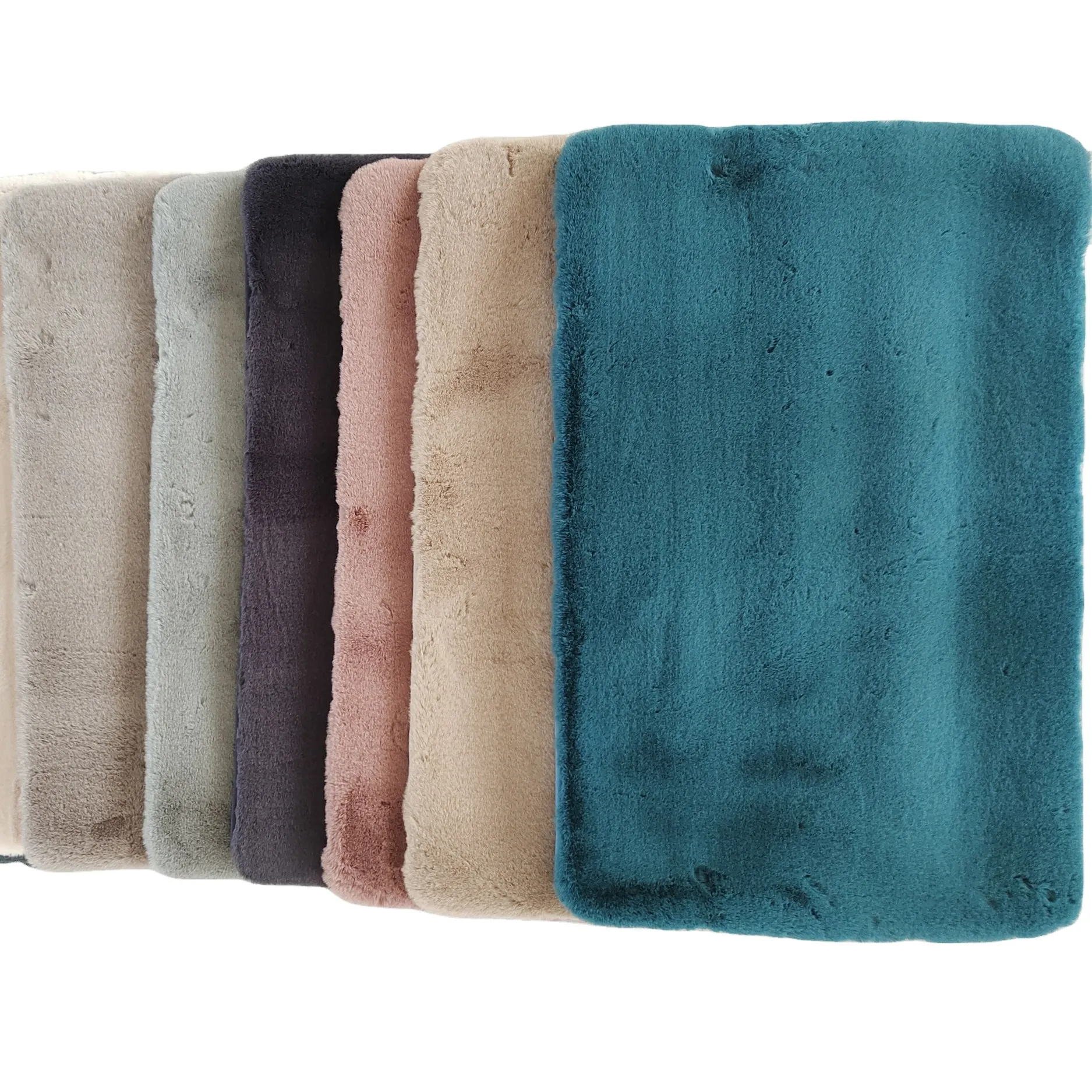
The performance of a faux fur bedside rug is dictated by several engineering considerations. Force analysis centers on the compression modulus of the pile, determining its ability to resist flattening under sustained weight (e.g., from a person stepping on it). A higher compression modulus indicates greater resilience. Environmental resistance is critical, particularly concerning moisture and UV exposure. Polyester is generally hydrophobic, providing good resistance to water absorption, however, prolonged exposure can lead to mildew growth if not properly ventilated. Acrylic fibers exhibit lower moisture resistance. UV exposure can cause color fading and fiber degradation, particularly in darker shades. Compliance requirements often involve flammability testing (e.g., California Technical Bulletin 117) and VOC emissions standards (e.g., CARB Section 93120.2). Functional implementation relates to slip resistance, achieved through the application of a latex or PVC backing. The coefficient of friction between the rug and the floor surface is a key performance metric, aiming for a value that prevents unintentional movement but allows for easy repositioning. Pile height, fiber density, and backing material all influence these performance characteristics. Static electricity build-up is also a consideration, mitigated through the incorporation of anti-static agents during fiber production.
Technical Specifications
| Parameter | Unit | Typical Value (Polyester) | Typical Value (Acrylic) |
|---|---|---|---|
| Pile Height | mm | 25-40 | 20-35 |
| Fiber Density | g/m² | 800-1200 | 600-1000 |
| Compression Modulus | kPa | 15-30 | 10-25 |
| Water Absorption | % | <0.5 | 1-2 |
| UV Resistance (Color Change after 1000 hours) | ΔEab | <3 | <5 |
| Coefficient of Friction (on Smooth Floor) | - | 0.6-0.8 | 0.5-0.7 |
Failure Mode & Maintenance
Faux fur bedside rugs are susceptible to several failure modes. Fatigue cracking of the fibers occurs due to repeated compression and abrasion, particularly in high-traffic areas. Delamination of the pile from the backing can occur if the latex or polyurethane coating degrades or loses adhesion. This is often exacerbated by exposure to excessive moisture or temperature fluctuations. Fiber shedding is a common occurrence, particularly during the initial stages of use, and is related to loose fibers not fully embedded in the backing. Oxidation of the fibers, especially acrylic, can lead to discoloration and brittleness over time. Maintenance is crucial to prolong the rug’s lifespan. Regular vacuuming removes dust and debris, preventing matting and reducing abrasion. Spot cleaning with a mild detergent and water is recommended for spills. Avoid harsh chemicals or abrasive cleaners, as these can damage the fibers. Professional cleaning is recommended annually to remove deep-seated dirt and restore pile loft. To prevent delamination, avoid prolonged exposure to moisture and ensure adequate ventilation. Rotation of the rug can help distribute wear evenly and minimize localized fatigue.
Industry FAQ
Q: What is the primary difference between polyester and acrylic faux fur in terms of durability?
A: Polyester generally exhibits superior abrasion resistance and tensile strength compared to acrylic. This translates to a longer lifespan and greater resistance to wear and tear, making it a preferred choice for higher-traffic areas or households with pets. However, acrylic often provides a softer, more luxurious hand feel, replicating the texture of natural fur more closely.
Q: How does the backing material affect the rug's performance and lifespan?
A: The backing material provides crucial structural support and prevents slippage. Polypropylene backings are highly durable and resistant to moisture, while jute backings are more environmentally friendly but less resistant to water damage. The adhesive used to bond the pile to the backing is also critical; a strong, flexible adhesive is essential to prevent delamination.
Q: What flammability standards are typically applied to faux fur rugs?
A: The most common flammability standard in the US is California Technical Bulletin 117, which assesses the ignitability and burning characteristics of upholstery materials. Compliance with this standard is essential for sale in California and often serves as a benchmark for national retailers. Other standards, such as NFPA 701 (for larger textiles), may also be relevant depending on the rug’s intended application.
Q: How can I minimize shedding in a new faux fur rug?
A: Initial shedding is normal in faux fur rugs as loose fibers are released during the first few weeks of use. Regular vacuuming (using a suction-only nozzle, not a beater bar) helps remove these loose fibers. Avoid excessive friction or rubbing, and allow the rug to settle in for a period before placing furniture on top of it.
Q: What is the impact of UV exposure on the color and texture of faux fur?
A: Prolonged exposure to ultraviolet (UV) radiation can cause color fading and degradation of the fibers, particularly in darker shades. This is due to the breakdown of the polymer chains in the fibers. To minimize UV damage, position the rug away from direct sunlight or use window coverings to filter UV rays.
Conclusion
Faux fur bedside rugs represent a sophisticated blend of textile engineering and aesthetic design. Their performance is intrinsically linked to the careful selection of materials – polyester and acrylic for the pile, polypropylene or jute for the backing – and the precise control of manufacturing processes like tufting, weaving, and coating. Understanding the key performance parameters, including compression modulus, water absorption, and UV resistance, is crucial for selecting a rug appropriate for specific environmental conditions and usage patterns.
Future advancements in faux fur technology are likely to focus on the development of more sustainable fiber sources, improved UV protection, and enhanced anti-static properties. Furthermore, innovations in backing materials could lead to increased durability and reduced delamination. By leveraging material science and engineering principles, the industry can continue to enhance the performance and longevity of faux fur bedside rugs, providing consumers with both comfort and lasting value.