

faux fur carpet for bedroom Performance Analysis
Introduction
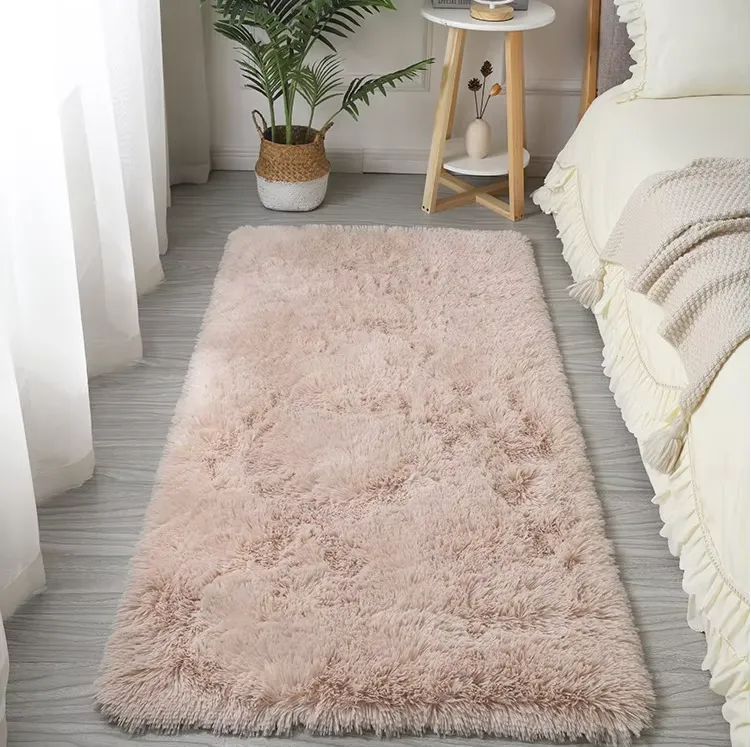
Faux fur carpet, increasingly utilized in bedroom applications, represents a significant development in interior textile technology. Distinguished from traditional pile carpets by its simulated fur texture, it offers a luxurious aesthetic coupled with functional performance attributes. Within the broader floor covering industry, faux fur carpets occupy a niche market targeting comfort and aesthetic appeal, differentiating themselves through material composition and manufacturing processes. Core performance characteristics include thermal insulation, tactile softness, and sound absorption. This guide provides an in-depth technical analysis of faux fur carpets specifically for bedroom use, addressing material science, manufacturing, performance, failure modes, and industry standards. A primary industry pain point centers on maintaining consistent fiber density and pile height while ensuring durability and minimizing shedding, all impacting perceived value and lifespan.
Material Science & Manufacturing
Faux fur carpets are predominantly constructed utilizing two core material groups: base fabrics and pile fibers. Base fabrics traditionally consist of polypropylene (PP) or polyester (PET) woven or non-woven materials, providing structural integrity. Polypropylene is favored for its cost-effectiveness and resistance to moisture, while polyester contributes to improved resilience and dye uptake. The pile fibers, responsible for the fur-like texture, are most commonly manufactured from modacrylic, acrylic, or high-bulk polyester. Modacrylic is often preferred for its inherent flame retardancy and softness, closely mimicking natural fur. Acrylic offers excellent bulk and affordability. Manufacturing commences with the production of the base fabric, followed by pile fiber extrusion. Pile fibers undergo crimping to achieve the desired texture and bulk. These fibers are then tufted or woven into the base fabric using specialized machinery. Tufting involves inserting fibers through the base fabric, secured with a latex or polyurethane backing. Weaving interlocks the fibers directly into the base. Critical process parameters include fiber denier (fineness), pile height, pile density (stitches per inch), and backing adhesion strength. Latex backing requires precise control of formulation and curing temperature to prevent cracking and delamination. The final stage involves shearing to achieve a uniform pile height and aesthetic finish. Chemical compatibility between the base fabric, pile fiber, and backing adhesive is paramount to prevent degradation and maintain structural integrity over time. Fiber content directly influences static electricity build-up; anti-static treatments are often applied post-manufacturing.
Performance & Engineering
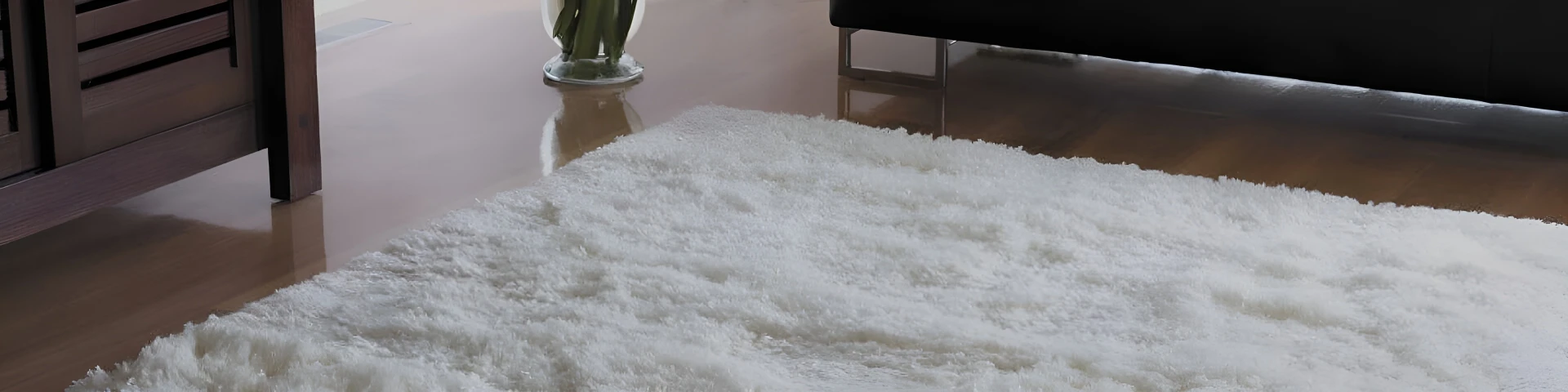
The performance of faux fur carpets in bedroom environments centers around thermal resistance (R-value), sound absorption (Noise Reduction Coefficient - NRC), and wear resistance. Thermal resistance is critical for bedroom comfort, with higher R-values indicating better insulation. Pile height and density directly correlate with thermal performance. Sound absorption is another key benefit, reducing noise transmission and creating a quieter sleep environment. NRC values typically range from 0.5 to 0.8, depending on pile characteristics. Wear resistance is assessed through tests like the Wyzenbeek abrasion test (measuring cycles to wear) and the pill test (assessing fiber entanglement). Force analysis reveals that the majority of load is borne by the base fabric, while the pile fibers contribute to cushioning and surface comfort. Environmental resistance considerations include lightfastness (resistance to fading from UV exposure) and moisture resistance. Prolonged exposure to direct sunlight can cause pile fiber discoloration. Moisture ingress can promote mold growth in the backing if not adequately protected by a moisture barrier. Compliance requirements, specifically flammability standards (CPR in Europe, ASTM E84 in the US), are critical for bedroom applications. Faux fur carpets must meet stringent fire safety regulations to minimize the risk of ignition and smoke development. Backing materials play a significant role in meeting these regulations. Static dissipative properties are important to reduce static shock, especially in dry climates.
Technical Specifications
| Parameter | Unit | Typical Value (Low End) | Typical Value (High End) |
|---|---|---|---|
| Pile Fiber Material | - | Acrylic | Modacrylic |
| Base Fabric Material | - | Polypropylene | Polyester |
| Pile Height | mm | 20 | 60 |
| Pile Density | stitches/inch² | 80 | 200 |
| Total Weight | g/m² | 800 | 2000 |
| Thermal Resistance (R-Value) | m²·K/W | 0.8 | 1.5 |
| Noise Reduction Coefficient (NRC) | - | 0.5 | 0.8 |
| Wyzenbeek Abrasion Resistance | cycles | 5,000 | 20,000 |
| Flammability (CPR Classification) | - | Efl | Bfl-s1 |
| Static Dissipation | Ω | 106 | 109 |
Failure Mode & Maintenance
Common failure modes in faux fur carpets include pile shedding, fiber matting, backing delamination, and discoloration. Pile shedding, particularly prevalent in acrylic-based carpets, arises from fiber breakage due to abrasion and wear. Fiber matting occurs when fibers become entangled and compressed, reducing pile resilience. Backing delamination, often initiated by adhesive failure, compromises structural integrity. Discoloration results from UV exposure, staining, or chemical reactions. Oxidation of the fibers over time can also lead to color fading and brittleness. Fatigue cracking in the base fabric can occur under repeated stress. Maintenance protocols are crucial for extending carpet lifespan. Regular vacuuming with a brush attachment removes loose fibers and debris. Spot cleaning with a mild detergent and water addresses spills promptly. Avoid harsh chemicals and abrasive cleaners. Professional deep cleaning is recommended annually to remove embedded dirt and revitalize pile fibers. Proper underlayment selection mitigates compression and extends the lifespan of both the carpet and the backing. Periodic inspection for signs of delamination or wear allows for timely repair or replacement. To mitigate shedding, consider carpets with higher pile density and fiber locking technologies.
Industry FAQ
Q: What is the primary difference between modacrylic and acrylic faux fur fibers in terms of long-term durability?
A: Modacrylic fibers generally exhibit superior long-term durability compared to acrylic due to their higher inherent resilience and resistance to abrasion. While acrylic offers excellent bulk and softness, it is more prone to fiber breakage and matting over time. Modacrylic retains its shape and texture more effectively, leading to a longer lifespan, albeit at a higher initial cost.
Q: How does the choice of backing material impact the carpet's resistance to mold and mildew growth?
A: The backing material significantly impacts mold and mildew resistance. Polyurethane backings typically offer better moisture resistance than latex backings. However, a moisture barrier layer (typically a polypropylene film) is essential regardless of the backing material, particularly in bedrooms which may experience higher humidity levels. Proper ventilation beneath the carpet also contributes to mold prevention.
Q: What is the significance of the Wyzenbeek abrasion test in evaluating faux fur carpet quality?
A: The Wyzenbeek abrasion test provides a quantitative measure of the carpet's resistance to wear and tear. The number of cycles it takes for the pile to abrade indicates its durability under foot traffic. Higher cycle counts signify a more robust and longer-lasting carpet. This is particularly important for bedrooms with high foot traffic or pets.
Q: Are there any specific fire retardant treatments typically applied to faux fur carpets, and what are their limitations?
A: Many faux fur carpets utilize inherent flame retardancy provided by modacrylic fibers. However, additional topical treatments, such as those containing boron compounds, may be applied to further enhance fire resistance. Limitations include potential wash-off over time and possible environmental concerns associated with certain chemical treatments. Compliance with local fire safety regulations is paramount.
Q: What is the impact of pile density on the sound absorption performance of a faux fur carpet?
A: Pile density has a direct and positive correlation with sound absorption. Higher pile density creates a more complex fiber structure, increasing the surface area available to absorb sound waves. This translates to a higher Noise Reduction Coefficient (NRC) and a quieter bedroom environment. However, increasing pile density also impacts cost and potentially affects the carpet's feel underfoot.
Conclusion
Faux fur carpets represent a compelling flooring solution for bedrooms, offering a unique blend of luxury, comfort, and functional performance. Understanding the intricate interplay between material science, manufacturing processes, and performance characteristics is crucial for informed procurement and long-term maintenance. The selection of appropriate pile fibers (modacrylic offering superior durability), backing materials (prioritizing moisture resistance), and adherence to stringent flammability standards are all vital considerations.
Moving forward, advancements in fiber technology and manufacturing techniques promise to further enhance the durability, sustainability, and aesthetic versatility of faux fur carpets. The development of bio-based pile fibers and eco-friendly backing adhesives will address growing environmental concerns. Continued research into fiber locking technologies will minimize shedding and extend carpet lifespan, ultimately increasing value for consumers and reducing waste.