

faux fur circle rug Performance Analysis
Introduction
Faux fur circle rugs represent a significant segment within the broader decorative textiles market, positioned as alternatives to genuine animal fur rugs. They are constructed from synthetic fibers engineered to mimic the look and feel of natural fur, offering an ethical and often more cost-effective solution for interior design. The core performance characteristics center around aesthetic appeal, tactile comfort, and durability. These rugs typically function as area rugs, providing localized warmth and visual texture. Within the supply chain, production begins with polymer synthesis, followed by fiber extrusion, dyeing, weaving or knitting, and culminating in finishing processes such as shearing and backing application. A key industry challenge is balancing the desire for a luxurious feel with concerns about shedding, flammability, and environmental impact. Performance is increasingly assessed not only on appearance and feel but also on quantifiable metrics like pile density, fiber loss, and chemical resistance to cleaning agents.
Material Science & Manufacturing
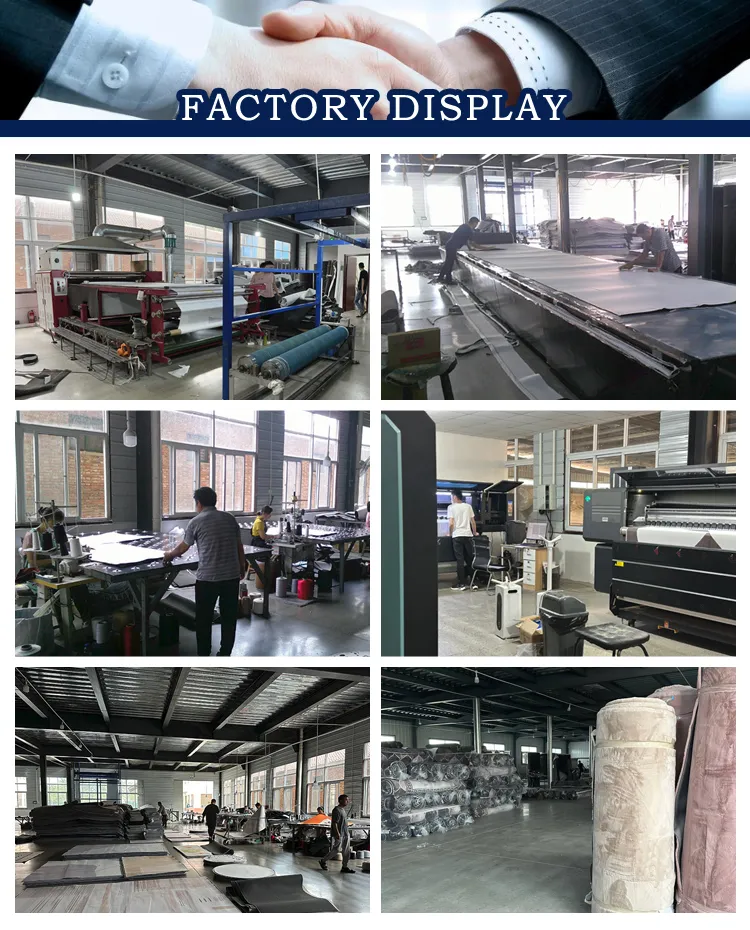
The primary raw materials for faux fur circle rugs are synthetic polymers, predominantly acrylic and modacrylic fibers, though polyester and polypropylene are also utilized. Acrylic fibers (polyacrylonitrile) are favored for their close resemblance to natural wool in terms of crimp and bulk, contributing to the perceived softness and warmth. Modacrylic fibers offer improved flame retardancy and resistance to pilling. Polyester, while less expensive, generally lacks the same level of tactile luxury as acrylic. Manufacturing begins with the polymerization of the monomer (acrylonitrile for acrylic, for example). This is followed by fiber extrusion, where the molten polymer is forced through spinnerets to create continuous filaments. These filaments are then stretched to enhance tensile strength and crimped to impart texture. Dyeing occurs at the fiber stage, using acid dyes for acrylic and disperse dyes for polyester. The fibers are then processed into a "fabric" structure, typically via knitting or weaving. Knitting produces a loop pile, offering a softer feel, while weaving results in a cut pile with more defined definition. The backing material, usually jute, polypropylene, or latex, is applied to stabilize the structure and provide cushioning. Crucially, the denier (fiber fineness) and staple length of the fibers significantly affect the final product's hand feel and durability. Parameter control during extrusion – specifically temperature, pressure, and spinneret size – are critical to achieving consistent fiber quality. Shearing, post-fabrication, refines the pile height and creates a uniform appearance.
Performance & Engineering
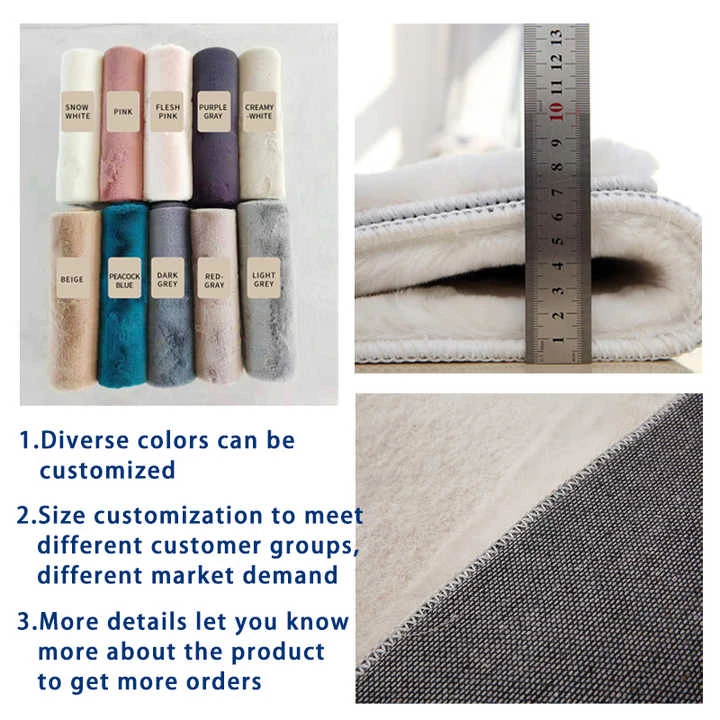
The performance of a faux fur circle rug is governed by several key engineering principles. Force analysis focuses on understanding the load-bearing capacity of the fibers and backing, influencing the rug's resistance to compression and deformation. Pile height and density contribute to the perceived thickness and cushioning, directly impacting comfort underfoot. Environmental resistance is a significant concern. Exposure to UV radiation can cause color fading and fiber degradation, particularly with acrylic fibers. Moisture absorption, while generally low for synthetic fibers, can lead to mildew growth if the rug remains damp. Abrasion resistance is crucial for high-traffic areas; fiber loss due to wear is a common failure point. Compliance requirements vary by region but often include flammability standards (such as California Proposition 65 regarding formaldehyde emissions) and VOC emission limits. The rug’s overall structural integrity is maintained through the interaction between the pile fibers and the backing material. The backing material must provide sufficient tensile strength and dimensional stability to prevent stretching or distortion. Furthermore, the rug's circular shape introduces unique stress distribution patterns compared to rectangular rugs; edges are more susceptible to wear and distortion due to localized stress concentrations.
Technical Specifications
| Parameter | Acrylic Fiber | Polyester Fiber | Modacrylic Fiber | Typical Range - Rug Backing |
|---|---|---|---|---|
| Denier (dtex) | 1.5 – 3.0 | 1.0 – 2.5 | 1.0 – 3.0 | 600 - 1200 |
| Pile Height (mm) | 20 – 60 | 15 – 40 | 25 – 50 | N/A |
| Pile Density (oz/yd²) | 800 – 1500 | 600 – 1200 | 900 – 1600 | N/A |
| Tensile Strength (MPa) | 40 – 70 | 50 – 80 | 30 – 60 | 15-30 (depending on material) |
| Flammability (ASTM D2859) | Class 1 (typically requires treatment) | Class 1 | Class 1 | N/A |
| Water Absorption (%) | 2 – 3 | 0.5 – 1.5 | 1 – 2 | N/A |
Failure Mode & Maintenance
Common failure modes for faux fur circle rugs include excessive shedding, matting, color fading, and degradation of the backing material. Shedding is typically caused by fiber breakage due to abrasion or low fiber tenacity. Matting occurs when the pile fibers become entangled and compressed, reducing the rug’s plushness. UV exposure leads to photo-oxidation of the polymer chains, causing color fading and embrittlement of the fibers. Backing delamination, often triggered by moisture exposure or repeated stress, results in structural instability. Oxidation, particularly in acrylic fibers, can lead to yellowing and a loss of softness over time. Maintenance is critical for extending the rug’s lifespan. Regular vacuuming (using a suction-only attachment to avoid fiber pull) is essential to remove dust and debris. Spot cleaning with a mild detergent solution is recommended for spills; harsh chemicals can damage the fibers. Professional cleaning (dry cleaning is generally preferred) should be performed periodically. Avoiding direct sunlight exposure and rotating the rug can minimize color fading and uneven wear. For significant damage, such as backing delamination, professional repair or replacement may be necessary. Proper storage in a cool, dry environment when not in use also helps prevent degradation.
Industry FAQ
Q: What is the primary difference in durability between acrylic and polyester faux fur rugs?
A: Acrylic fibers generally exhibit higher resilience and a softer hand feel, contributing to a longer-lasting plushness. However, they are more susceptible to shedding and UV degradation compared to polyester. Polyester is more abrasion-resistant and holds color better, making it suitable for high-traffic areas and outdoor use, but it often feels less luxurious.
Q: How does the backing material affect the overall performance of the rug?
A: The backing material provides structural support and prevents stretching or distortion. Jute is a natural, biodegradable option but is prone to moisture damage. Polypropylene is more durable and water-resistant, while latex offers good cushioning but can break down over time. The backing’s weight and construction significantly influence the rug’s dimensional stability.
Q: What flammability standards are typically applicable to faux fur rugs?
A: Faux fur rugs are often subject to flammability standards like ASTM D2859 and California Proposition 65. These standards assess the rug’s resistance to ignition and the rate at which flames spread. Many acrylic faux furs require flame-retardant treatment to meet these requirements.
Q: How can I minimize shedding in a new faux fur rug?
A: Initial shedding is common in faux fur rugs. Regular vacuuming (using a suction-only attachment) for the first few weeks helps remove loose fibers. Avoid excessive handling and placing the rug in high-traffic areas initially. Proper fiber treatment during manufacturing can also reduce shedding.
Q: What cleaning methods are recommended for faux fur rugs, and what should be avoided?
A: Spot cleaning with a mild detergent solution is recommended. Avoid harsh chemicals, bleach, and excessive water, as these can damage the fibers. Dry cleaning is generally preferred for full rug cleaning. Do not use a beater bar vacuum attachment, as it can cause fiber pull and damage.
Conclusion
Faux fur circle rugs provide a versatile and aesthetically pleasing flooring solution, offering a compelling alternative to natural fur. Understanding the material science – specifically the properties of acrylic, polyester, and modacrylic fibers – is crucial for selecting a rug that meets specific performance requirements. The manufacturing process, from polymer synthesis to finishing, directly impacts the rug’s durability, feel, and resistance to environmental factors. Careful consideration of technical specifications, such as pile height, density, and tensile strength, is essential for ensuring long-term performance.
The industry continues to evolve, with a growing emphasis on sustainable materials and environmentally friendly manufacturing processes. Addressing challenges related to shedding, flammability, and UV degradation remains a key focus for manufacturers. Future innovations may include the development of bio-based polymers and advanced fiber treatments to enhance both performance and sustainability. Ultimately, a comprehensive understanding of these technical aspects empowers informed purchasing decisions and ensures optimal utilization of faux fur circle rugs in diverse interior environments.