

faux fur grey sheepskin rug Technical Analysis
Introduction
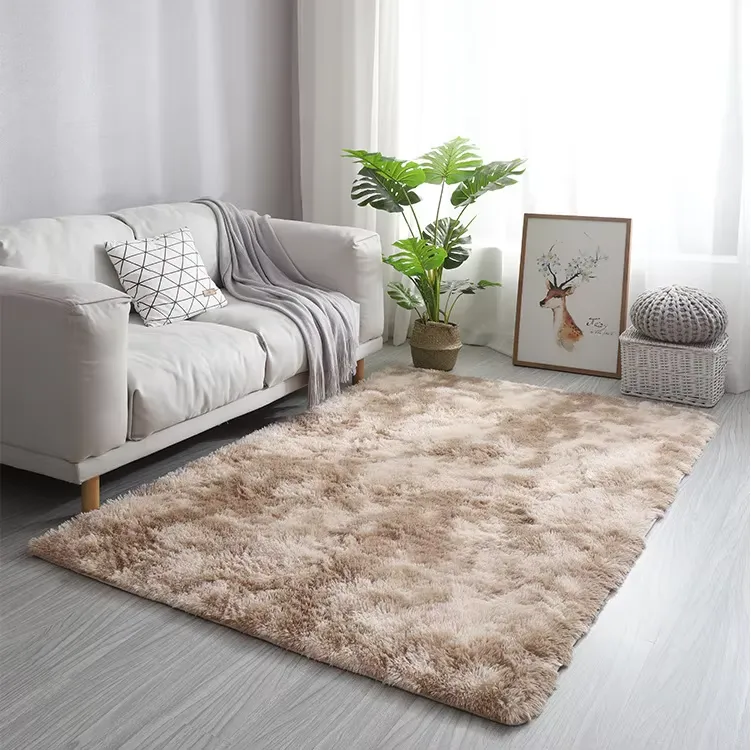
Faux fur grey sheepskin rugs represent a significant development in the interior textiles market, offering an aesthetically pleasing and ethically sourced alternative to genuine sheepskin. Positioned within the broader category of synthetic floor coverings, these rugs are manufactured to mimic the texture and appearance of natural sheepskin, utilizing advanced fiber technologies. Their core performance characteristics revolve around providing thermal insulation, tactile comfort, and visual appeal without the animal welfare concerns or high maintenance requirements associated with real sheepskin. This guide provides a detailed technical overview of faux fur grey sheepskin rugs, encompassing material science, manufacturing processes, performance metrics, failure modes, and relevant industry standards, targeted towards procurement professionals and technical decision-makers in the hospitality, residential, and retail sectors. A key industry pain point is achieving a consistent, high-quality feel and appearance that genuinely replicates the luxury of real sheepskin, while ensuring durability and resistance to common wear and tear.
Material Science & Manufacturing
The primary constituent of faux fur grey sheepskin rugs is typically a blend of polyester and acrylic fibers. Polyester contributes to the rug’s inherent strength, resilience, and resistance to stretching and abrasion. Acrylic fibers, on the other hand, provide a softer, more voluminous texture, closely resembling the natural crimp and density of sheep’s wool. The denier (fiber thickness) of these materials is crucial; lower denier fibers create a finer, more luxurious feel. The backing material is commonly a jute or polypropylene fabric, chosen for its dimensional stability and cost-effectiveness. Manufacturing begins with fiber extrusion, where molten polymer is forced through spinnerets to create continuous filaments. These filaments are then crimped to impart bulk and texture. The crimping process employs techniques like air-jet texturing or mechanical crimping, with precise temperature and pressure control being vital to achieve the desired aesthetic. The fibers are then cut to specific lengths and bonded to the backing material using a tufting process, where needles repeatedly insert the fibers into the backing. Density (stitches per square inch) and pile height are key parameters controlled during tufting. Following tufting, the rug undergoes a shearing process to create a uniform pile surface. Finally, a latex or synthetic rubber coating may be applied to the backing to enhance grip and prevent slippage. Dyeing is typically performed at the fiber stage, using disperse dyes for polyester and basic dyes for acrylic, ensuring colorfastness and resistance to fading.
Performance & Engineering
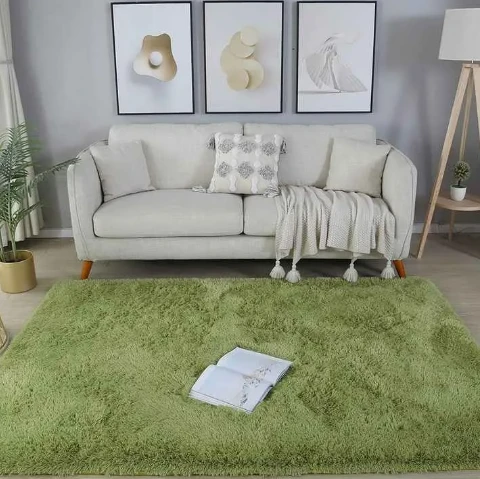
Performance evaluation of faux fur grey sheepskin rugs centers around several key engineering principles. Thermal resistance (R-value) is a critical parameter, dictating the rug’s ability to provide insulation. This is dependent on pile height, fiber density, and fiber type. Compressive strength is important, as the rug will be subjected to foot traffic and furniture weight. Higher compressive strength indicates better resistance to matting and deformation. Abrasion resistance is assessed using methods like the Taber abrasion test, which quantifies the material’s ability to withstand wear and tear. Pile recovery – the rug’s ability to spring back after being compressed – is also a significant performance indicator. Environmental resistance is paramount, especially concerning moisture and UV exposure. Polyester and acrylic exhibit reasonable resistance to water absorption, but prolonged exposure can lead to mildew growth. UV stabilizers are often added to the fibers to mitigate fading and degradation caused by sunlight. Compliance with flammability standards (e.g., California Proposition 65, British Standards BS 5867) is essential, particularly for use in public spaces. The selection of backing material impacts slip resistance, crucial for preventing accidents. Force analysis, utilizing finite element modeling (FEM), can be employed to optimize fiber density and backing construction to maximize both comfort and durability under varying load conditions.
Technical Specifications
| Parameter | Unit | Typical Value | Test Method |
|---|---|---|---|
| Pile Height | mm | 30-60 | ASTM D388 |
| Fiber Composition | % | Polyester 80%, Acrylic 20% | ASTM D789 |
| Density | oz/yd² | 800-1200 | ASTM D388 |
| Thermal Resistance (R-value) | m²⋅K/W | 0.8-1.2 | ASTM C518 |
| Abrasion Resistance (Taber) | Cycles to Wear | >500 | ASTM D3886 |
| Colorfastness to Light | Grey Scale Rating | 4-5 | ISO 105-B02 |
Failure Mode & Maintenance
Faux fur grey sheepskin rugs are susceptible to several failure modes. Matting and crushing of the pile are common, resulting from prolonged foot traffic and compression. This is exacerbated by lower fiber density and inadequate backing support. Fiber shedding, particularly during initial use, is a natural occurrence, but excessive shedding indicates poor fiber bonding. Delamination of the pile from the backing can occur due to adhesive failure or mechanical stress. Oxidation and UV degradation can cause color fading and embrittlement of the fibers, particularly in areas exposed to direct sunlight. Staining from spills is a frequent issue; while polyester and acrylic are relatively stain-resistant, prompt cleaning is essential. Mildew growth can occur in humid environments if the rug remains wet for extended periods. Maintenance involves regular vacuuming to remove dust and debris. Spot cleaning with a mild detergent and water is recommended for spills. Professional cleaning is advised for deep cleaning and stain removal. Avoid harsh chemicals and abrasive cleaners, as these can damage the fibers. Rotating the rug periodically can help distribute wear and prevent uneven matting. To mitigate failure, consider rugs with higher pile density, reinforced backing, and UV-stabilized fibers.
Industry FAQ
Q: What is the primary difference in durability between a polyester and acrylic faux fur rug?
A: Polyester generally exhibits superior abrasion resistance and resilience compared to acrylic. While acrylic provides a softer texture, polyester holds up better under foot traffic and is less prone to pilling and matting over time. However, high-quality acrylic blends can significantly improve durability and are often used in conjunction with polyester to balance comfort and performance.
Q: How does the backing material affect the lifespan of the rug?
A: The backing material plays a crucial role. Jute is environmentally friendly but susceptible to moisture damage and can degrade over time. Polypropylene is more durable and water-resistant but less breathable. A high-quality backing provides dimensional stability and prevents delamination of the pile. Look for backings with a robust latex or synthetic rubber coating to enhance grip and prevent shifting.
Q: What is the typical lifespan of a faux fur grey sheepskin rug under moderate residential use?
A: With proper care, a well-constructed faux fur rug can last 5-8 years under moderate residential use. Factors affecting lifespan include fiber quality, pile density, backing material, and frequency of cleaning. Higher-end rugs with superior materials and construction can last considerably longer.
Q: Are faux fur rugs a fire hazard? What flammability standards should be considered?
A: Polyester and acrylic are inherently flammable. However, most faux fur rugs are treated with fire retardants to meet industry safety standards. Important standards to consider include California Proposition 65, British Standards BS 5867, and NFPA 701 (for commercial applications). Always check the rug’s label for flammability certification.
Q: How important is pile height in relation to the feel and cleaning of the rug?
A: Pile height significantly impacts both the feel and cleaning requirements. Longer pile heights (e.g., 60mm) provide a more luxurious and plush feel, but they can be more difficult to clean and prone to matting. Shorter pile heights (e.g., 30mm) are easier to maintain but may not offer the same level of comfort. Regular vacuuming is essential for all pile heights to prevent dust and debris buildup.
Conclusion
Faux fur grey sheepskin rugs represent a sophisticated alternative to natural sheepskin, offering comparable aesthetics and comfort with enhanced ethical and practical benefits. The selection of appropriate fiber composition—primarily a blend of polyester and acrylic—coupled with robust manufacturing processes and stringent quality control, are critical to achieving optimal performance characteristics such as thermal resistance, abrasion resistance, and durability. Understanding the potential failure modes, including matting, delamination, and UV degradation, and implementing proactive maintenance strategies are essential for maximizing the lifespan of these products.
Looking forward, continued advancements in fiber technology and manufacturing techniques will likely lead to even more realistic and durable faux fur options. Focus areas for innovation include the development of bio-based polymers to enhance sustainability, improved UV stabilizers for increased colorfastness, and novel backing materials to enhance grip and prevent shifting. By prioritizing technical specifications and adhering to relevant industry standards, manufacturers and consumers can ensure the long-term satisfaction and value of faux fur grey sheepskin rugs.