

faux fur navy rug Performance Analysis
Introduction
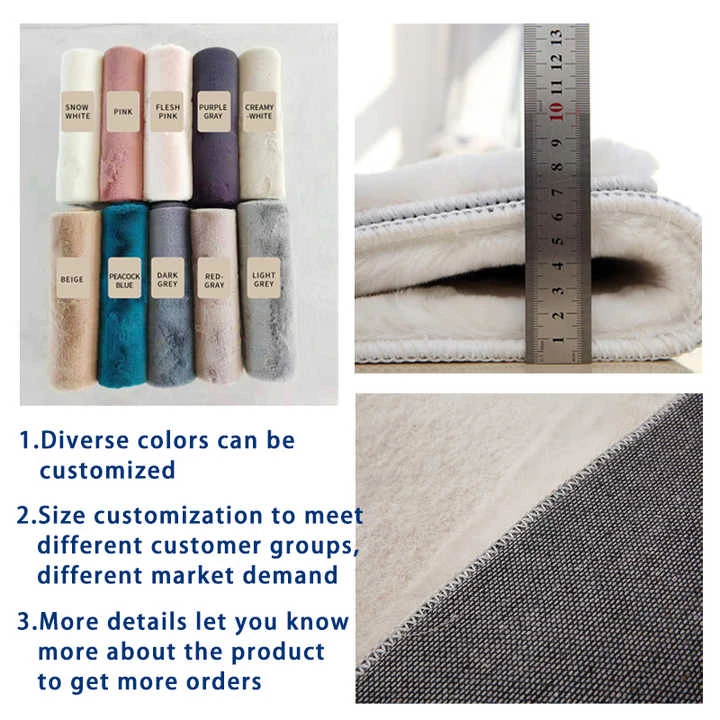
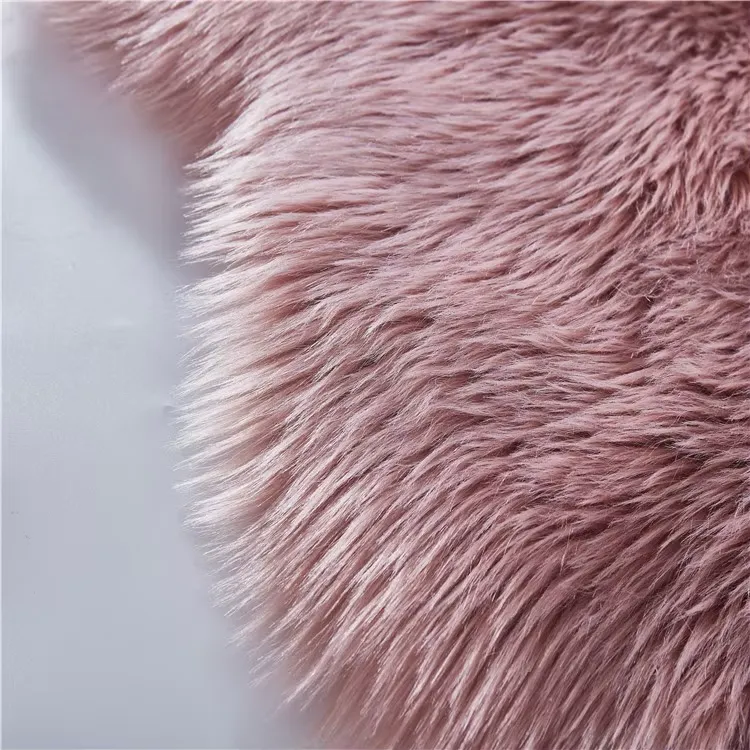
Faux fur navy rugs represent a significant segment within the broader decorative textile market, offering an aesthetic alternative to genuine animal fur. Technically, these rugs are constructed from synthetic fibers designed to mimic the appearance and tactile properties of natural fur, commonly utilized in residential and light commercial interior applications. Their position in the value chain begins with petrochemical feedstock production, progressing through polymer synthesis, fiber extrusion, dyeing, and finally, rug manufacturing via techniques like tufting or weaving. Core performance characteristics include pile height, fiber density, durability under foot traffic, colorfastness, and resistance to shedding. A key industry pain point centers on balancing consumer demand for luxury aesthetics with the need for environmentally sustainable and ethically sourced materials. Further concerns relate to achieving acceptable levels of flame retardancy and maintaining consistent product quality across varying production batches.
Material Science & Manufacturing
The foundational material for faux fur navy rugs is typically a synthetic polymer, most commonly polypropylene (PP) or polyester (PET). Polypropylene is favored for its cost-effectiveness, inherent moisture resistance, and ability to be easily textured. Polyester offers superior dye uptake, resulting in richer and more durable colors. Fiber production utilizes melt extrusion, where polymer pellets are heated and forced through spinnerets to create continuous filaments. These filaments are then drawn (stretched) to increase tensile strength and orient the polymer chains. The navy dye is incorporated either during the melt extrusion process (solution dyeing) or post-extrusion through dyeing baths. Rug manufacturing primarily employs tufting, where fibers are inserted into a backing material (often polypropylene or jute) using needles. Alternatively, weaving involves interlacing yarns to create a more dense and structurally robust pile. Critical parameters include denier (fiber thickness), pile height, stitch density (for tufting), and yarn twist (for weaving). Consistent control of extrusion temperature, dye concentration, and backing material uniformity are paramount for achieving a high-quality product. The backing material’s GSM (grams per square meter) directly impacts the rug's overall weight and dimensional stability. Anti-shedding treatments, typically involving latex application, are also critical.
Performance & Engineering
The performance of a faux fur navy rug is heavily influenced by its structural integrity and environmental resistance. Force analysis reveals that the pile height and fiber density directly correlate with the rug’s ability to withstand compression and maintain its shape under foot traffic. A higher pile height offers greater perceived luxury but can be more prone to matting. Fiber tenacity (tensile strength) is crucial for resisting tearing and abrasion. Environmental resistance considerations include colorfastness to light (measured using the AATCC 163 standard) and resistance to common household spills. The backing material’s dimensional stability is critical to prevent wrinkling or warping, especially in humid environments. Compliance requirements are driven by flammability standards, such as California Proposition 65 (relating to VOC emissions) and the Federal Flammable Fabrics Act. Functional implementation necessitates careful consideration of underlayment selection to enhance cushioning and prevent slippage. Static charge build-up, a common issue with synthetic fibers, can be mitigated through the inclusion of antistatic agents during fiber production.
Technical Specifications
| Parameter | Polypropylene (PP) | Polyester (PET) | Unit |
|---|---|---|---|
| Fiber Denier | 200-600 | 300-800 | dtex |
| Pile Height | 20-60 | 20-80 | mm |
| Pile Weight | 800-1500 | 1000-2000 | g/m² |
| Backing Material | Polypropylene/Jute | Polypropylene/Jute | - |
| Colorfastness to Light (AATCC 163) | Grade 4-5 | Grade 5-6 | - |
| Flammability (ASTM D2859) | Class I | Class I | - |
Failure Mode & Maintenance
Common failure modes in faux fur navy rugs include fiber shedding, matting, color fading, and delamination of the pile from the backing. Fiber shedding occurs due to inadequate fiber locking during manufacturing or physical abrasion during use. Matting arises from prolonged compression, leading to fiber deformation and loss of resilience. Color fading is primarily caused by UV exposure, particularly in direct sunlight. Delamination results from adhesive failure between the pile fibers and the backing material. Oxidation of the polymer fibers can also contribute to brittleness and discoloration over time. Professional maintenance involves regular vacuuming with a brush attachment to remove loose debris and prevent fiber entanglement. Spot cleaning with mild detergent and water is recommended for spills. Avoid harsh chemicals or abrasive cleaners, as these can damage the fibers. Periodic rotation of the rug can distribute wear more evenly. For significant delamination, professional rug repair services may be necessary. To prolong the lifespan, avoiding direct sunlight exposure and using rug pads can significantly reduce wear and tear.
Industry FAQ
Q: What is the primary difference in performance between polypropylene and polyester faux fur rugs?
A: Polyester generally exhibits superior colorfastness and a softer hand feel compared to polypropylene. However, polypropylene is more resistant to moisture and staining, making it a practical choice for high-traffic areas or households with pets. The choice depends on the prioritized performance characteristics and the intended application.
Q: How does pile height affect the durability of a faux fur rug?
A: Higher pile heights provide a more luxurious feel but are more susceptible to matting and compression. Lower pile heights are more durable and easier to clean, but may lack the same aesthetic appeal. Optimal pile height depends on the expected foot traffic and desired level of comfort.
Q: What flammability standards are most relevant for faux fur rugs?
A: The most relevant standards include ASTM D2859, which assesses the flame propagation characteristics of textiles, and California Proposition 65, which regulates VOC emissions. Compliance with these standards is crucial for ensuring product safety and meeting regulatory requirements.
Q: What causes excessive shedding in a new faux fur rug, and how can it be minimized?
A: Initial shedding is common in new faux fur rugs due to loose fibers from the manufacturing process. Regular vacuuming can help remove these loose fibers. Ensure the rug is properly manufactured with sufficient fiber locking. Using a rug pad can also help stabilize the fibers and reduce shedding over time.
Q: How can I prevent color fading in a navy faux fur rug exposed to sunlight?
A: Direct sunlight exposure can cause significant color fading. Minimizing exposure by positioning the rug away from direct sunlight or using window treatments can help. Look for rugs treated with UV inhibitors during the dyeing process, which provide added protection against fading.
Conclusion
Faux fur navy rugs represent a complex intersection of material science, manufacturing processes, and performance engineering. The selection of appropriate polymers, precise control of fiber extrusion and dyeing, and robust rug construction techniques are all critical for delivering a product that meets consumer expectations for aesthetics, durability, and safety. Understanding the potential failure modes – shedding, matting, and delamination – is essential for developing effective maintenance strategies and extending the lifespan of the rug.
Looking ahead, innovation in sustainable materials, such as recycled polyester and bio-based polymers, will play an increasingly important role in minimizing the environmental impact of faux fur rug production. Further research into fiber locking technologies and backing materials will enhance durability and reduce shedding. Continued focus on meeting stringent flammability and VOC emission standards will be paramount for ensuring product safety and regulatory compliance.