


faux fur round rug 5 Performance Analysis
Introduction
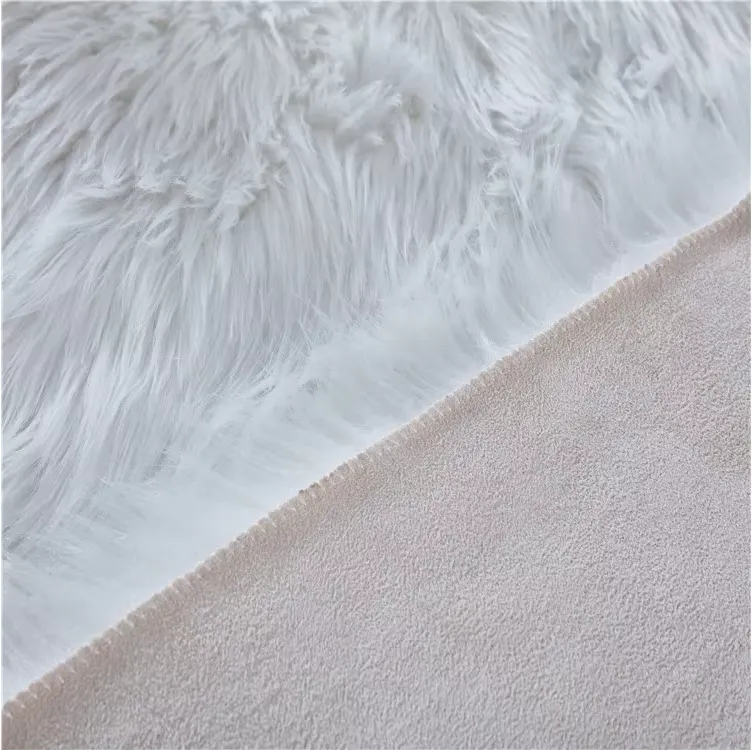
Faux fur round rugs, specifically the “5” designation denoting a diameter of approximately 5 feet, represent a significant segment within the broader decorative textiles market. These rugs are predominantly composed of synthetic fibers engineered to mimic the look and feel of animal fur, offering a cruelty-free and often more cost-effective alternative to genuine fur products. Their technical position resides in the intersection of textile engineering, polymer chemistry, and interior design. Core performance characteristics revolve around tactile comfort, aesthetic appeal, thermal insulation, and durability. The escalating demand for sustainable and ethically sourced materials drives continuous refinement in fiber composition and manufacturing processes. A critical pain point for buyers is discerning the quality of the faux fur – fiber shedding, matting, and colorfastness are key concerns impacting long-term performance and aesthetic retention. Understanding the underlying material science and manufacturing processes is therefore paramount for informed procurement decisions.
Material Science & Manufacturing
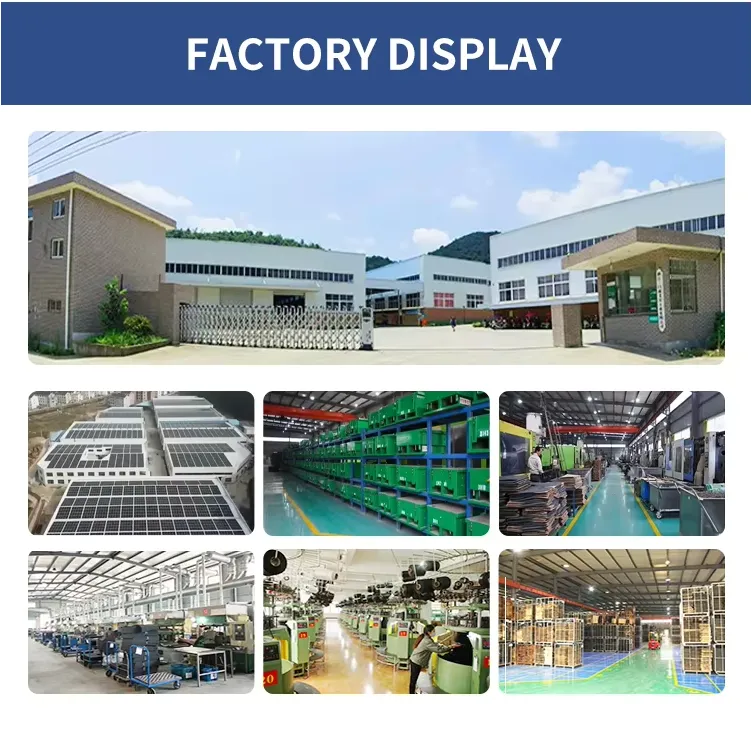
The primary raw material for faux fur round rugs is typically polyester, often in the form of Polyethylene Terephthalate (PET). Acrylic fibers are also commonly used, particularly where a softer, more delicate feel is desired. The PET polymers exhibit inherent properties of high tensile strength (ranging from 60-80 MPa depending on processing), good abrasion resistance, and relatively low moisture absorption. Manufacturing begins with the extrusion of these polymers into continuous filaments. These filaments are then crimped to introduce bulk and texture, mimicking the natural curvature of animal fur. The crimping process relies on mechanical deformation at elevated temperatures. Following crimping, the fibers undergo a dyeing process, utilizing disperse dyes for polyester and basic dyes for acrylic. Precise control of dye concentration and temperature is vital for achieving consistent colorfastness. The dyed fibers are then woven or knitted into a backing material, frequently polypropylene (PP) due to its cost-effectiveness and water resistance. A crucial step involves the ‘pile’ formation - securing the fibers to the backing material. This is often achieved through adhesive bonding with latex-based compounds, followed by brushing to create the desired pile height and density. Parameter control during adhesive application is critical – inconsistent adhesive distribution can lead to fiber shedding. Finally, the rug undergoes finishing processes like shearing to achieve uniform pile length and a final quality inspection.
Performance & Engineering
The performance of a faux fur round rug is governed by several engineering considerations. Pile height, typically ranging from 20mm to 60mm, directly impacts the perceived softness and thermal insulation. Higher pile heights offer greater comfort but are more prone to matting. Fiber density (measured in grams per square meter – GSM) determines the rug's overall weight and durability. Higher GSM values correlate with improved wear resistance. The backing material provides structural integrity and prevents slippage. The rug’s compressive strength – its ability to withstand sustained loads without permanent deformation – is a critical factor in high-traffic areas. Environmental resistance is also paramount. Exposure to UV radiation can cause color fading and fiber degradation. Polyester exhibits moderate UV resistance, while acrylic is more susceptible to degradation. Flame retardancy is a crucial safety consideration; most faux fur rugs are treated with fire-retardant chemicals to meet flammability standards (e.g., California Proposition 65). Compliance with VOC (Volatile Organic Compound) emission standards is increasingly important, driven by health and environmental concerns. These standards (e.g., CARB Phase 2) limit the allowable levels of formaldehyde and other harmful chemicals released from the rug materials. Force analysis reveals that the primary stresses acting on the rug are compressive forces from foot traffic and shear forces from movement. The rug’s design must adequately distribute these stresses to prevent premature wear and fiber breakage.
Technical Specifications
| Parameter | Unit | Typical Value (Range) | Test Method |
|---|---|---|---|
| Pile Height | mm | 30-50 | ASTM D3689 |
| Fiber Density (GSM) | g/m² | 800-1200 | ISO 307 |
| Total Weight | kg/m² | 1.5-2.5 | In-house testing |
| Tensile Strength (Warp/Weft) | N/5cm | >200 | ASTM D5035 |
| Colorfastness to Light | Rating (1-5) | 4-5 | ISO 105-B02 |
| Flame Retardancy | Pass/Fail | Pass (California Prop 65) | ASTM E84 |
Failure Mode & Maintenance
Common failure modes for faux fur round rugs include fiber shedding, matting, color fading, and delamination of the pile from the backing. Fiber shedding is often caused by insufficient adhesive bonding during manufacturing or mechanical abrasion during use. Matting occurs due to repeated compression of the pile fibers, leading to a loss of their original loft and resilience. UV exposure causes polymer chain scission in the fibers, resulting in color fading and reduced tensile strength. Delamination, a critical failure mode, arises from the degradation of the adhesive bond between the pile and backing, often exacerbated by moisture and temperature fluctuations. Oxidation of the polyester or acrylic fibers can also contribute to long-term degradation, leading to brittleness and reduced performance. Maintenance recommendations include regular vacuuming to remove loose debris and prevent matting. Spot cleaning with a mild detergent and water is recommended for spills. Avoid harsh chemicals and excessive moisture. Professional cleaning is advised annually to restore pile loft and remove embedded dirt. To mitigate delamination, avoid prolonged exposure to direct sunlight and high humidity. For rugs experiencing significant shedding, applying a latex-based rug adhesive to the backing can temporarily improve fiber retention, but this is a palliative measure, not a permanent fix.
Industry FAQ
Q: What differentiates a high-quality faux fur rug from a lower-cost alternative?
A: The primary differentiators lie in the fiber composition, pile density, and adhesive quality. High-quality rugs utilize premium polyester or acrylic fibers with a higher denier (fiber thickness), resulting in a softer, more durable pile. Higher GSM values indicate greater fiber density, enhancing wear resistance. Critically, superior adhesives are employed to ensure a robust bond between the pile and backing, minimizing shedding and delamination. Lower-cost rugs often compromise on these factors, leading to reduced performance and lifespan.
Q: How does the backing material affect the rug’s performance?
A: The backing material provides structural support and prevents slippage. Polypropylene (PP) is commonly used due to its cost-effectiveness and water resistance, but it offers limited durability. Higher-quality rugs may employ a jute or latex-coated backing for improved strength and dimensional stability. The backing’s thickness and weave density also influence its ability to withstand compressive forces and prevent deformation.
Q: Is faux fur susceptible to damage from pets?
A: Yes, pets can cause damage to faux fur rugs. Claws can snag and pull fibers, leading to localized shedding and matting. Pet urine can also damage the fibers and backing, potentially causing discoloration and odor. Regular vacuuming and prompt cleaning of spills are essential. Consider using a rug pad to provide additional cushioning and protect the backing.
Q: What are the key considerations regarding fire safety?
A: Faux fur rugs should meet relevant flammability standards, such as California Proposition 65. Look for rugs that have been treated with fire-retardant chemicals. While these treatments reduce flammability, they do not eliminate the risk of fire. Avoid placing rugs near open flames or heat sources.
Q: How important are VOC emissions, and what standards should I be aware of?
A: VOC emissions are increasingly important due to health and environmental concerns. Rugs can release volatile organic compounds, such as formaldehyde, which can cause respiratory irritation. Look for rugs that are certified to meet low-VOC emission standards, such as CARB Phase 2 or Green Label Plus. These certifications indicate that the rug has been tested and meets strict emission limits.
Conclusion
Faux fur round rugs represent a complex intersection of material science, textile engineering, and consumer demand. Understanding the nuances of fiber composition, manufacturing processes, and performance characteristics is crucial for making informed procurement decisions. The key to longevity and aesthetic retention lies in selecting rugs with high-quality materials, robust construction, and appropriate treatment for environmental resistance and fire safety.
Future developments in this sector are likely to focus on bio-based and recycled fiber alternatives, further reducing the environmental impact of these products. Advancements in adhesive technology will also be critical to improve pile retention and minimize shedding. Continued refinement of manufacturing processes will ensure consistent quality and performance, meeting the evolving demands of the interior design market.