


faux fur rug 2x3 Performance Analysis
Introduction
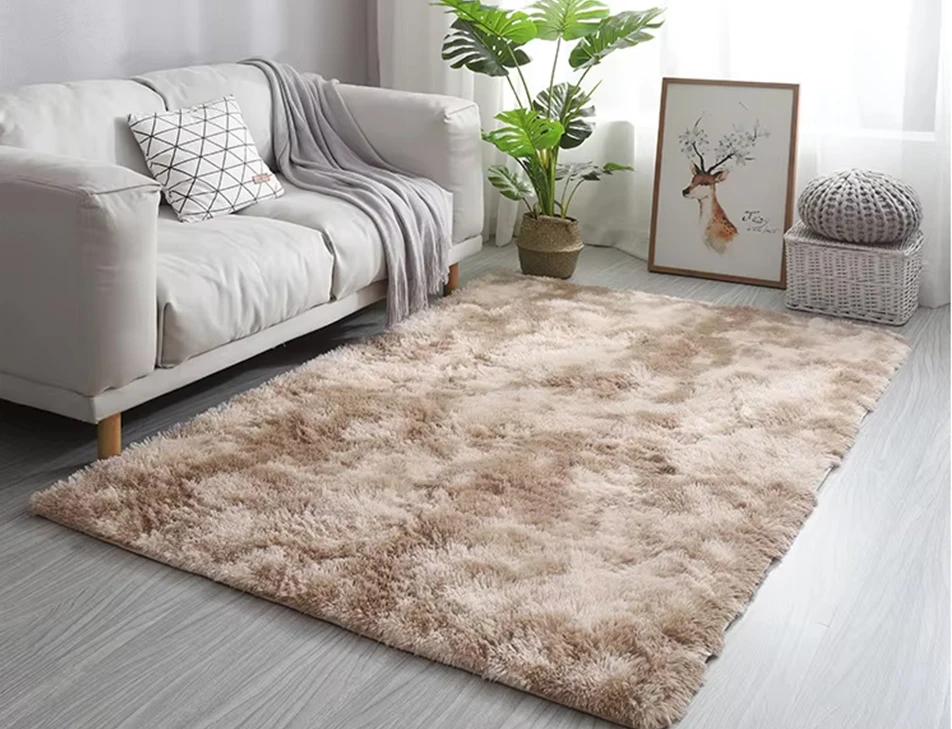
Faux fur rugs, specifically the 2x3 foot dimension, represent a significant segment of the decorative floor covering market. They are engineered as aesthetic substitutes for genuine animal fur, offering a comparable tactile experience without the ethical concerns and high cost associated with natural products. Technically positioned between textile manufacturing and interior design, faux fur rugs rely heavily on advancements in synthetic fiber technology, polymer chemistry, and textile processing. Core performance characteristics include pile height, density, fiber composition, backing material, and durability, all impacting the perceived quality and lifespan of the product. The industry faces ongoing challenges related to achieving realistic texture, minimizing shedding, and enhancing resistance to abrasion, crushing, and soiling. This guide provides a comprehensive technical overview of faux fur rug 2x3 construction, performance, and maintenance.
Material Science & Manufacturing
The foundation of a faux fur rug 2x3 lies in the selection of synthetic fibers, predominantly acrylic and polyester, though polypropylene and modacrylic blends are also utilized. Acrylic fibers (polyacrylonitrile) offer a softer, more luxurious feel closely mimicking natural fur due to their inherent bulk and crimp. However, acrylic tends to exhibit lower resilience and is more susceptible to matting and pilling. Polyester provides superior durability, resistance to abrasion, and colorfastness, but may initially feel less soft. Manufacturing begins with polymer production – typically through the polymerization of acrylonitrile monomers for acrylic or through esterification of ethylene glycol and terephthalic acid for polyester. These polymers are then spun into fibers using melt-spinning processes. Pile fibers are then cut to the desired length, creating the ‘fur’ effect. The backing material is crucial; common choices include jute, polypropylene, or felt, often incorporating a latex or PVC coating for added stability and non-slip properties. Manufacturing processes involve tufting or weaving the fibers into the backing material. Tufting involves inserting fibers through the backing, while weaving interlocks the fibers for increased density and structural integrity. Dyeing occurs either at the fiber stage (solution dyeing for enhanced colorfastness) or after weaving/tufting using various dye classes depending on the fiber type. Key parameter control focuses on fiber denier (thickness), pile density (fibers per square inch), yarn crimp frequency, and coating application rate. Consistent monitoring of these parameters is critical for achieving uniform texture, appearance, and performance.

Performance & Engineering
Performance analysis of faux fur rugs 2x3 centers around several key engineering considerations. Pile compression resistance is critical; repeated foot traffic causes the fibers to bend and deform. Fiber resilience dictates how quickly the pile recovers its original shape. This is directly correlated with the fiber’s inherent elasticity and the structural integrity of the backing. Shear strength of the fiber-backing bond is equally important, preventing fiber pull-out and maintaining rug integrity. Environmental resistance includes assessing the rug’s behavior under varying temperature and humidity conditions. Prolonged exposure to high humidity can promote mildew growth, particularly in jute-backed rugs. Colorfastness, evaluated via light exposure tests (ASTM D4157) and wash fastness tests (ISO 105 C06), determines the rug’s ability to retain its color over time. Flammability is a crucial safety concern, requiring adherence to standards like California Proposition 65 and similar regulations. The rug's overall weight and dimensions contribute to its stability and resistance to shifting. Compliance requirements often include VOC emission testing (California Section 01350) to ensure the rug doesn't off-gas harmful chemicals. Force analysis involves assessing the impact resistance and tensile strength of the backing material, ensuring it can withstand stress without tearing or delaminating.
Technical Specifications
| Parameter | Acrylic Fiber Rug | Polyester Fiber Rug | Polypropylene Fiber Rug |
|---|---|---|---|
| Pile Height (mm) | 20-60 | 20-50 | 15-40 |
| Pile Density (fibers/in2) | 800-1500 | 1200-2000 | 600-1200 |
| Fiber Denier | 2-4 | 3-6 | 4-8 |
| Backing Material | Jute, Felt, Latex Coated | Polypropylene, Latex Coated | Polypropylene |
| Tensile Strength (backing, N/mm2) | 15-25 | 20-30 | 10-20 |
| Colorfastness to Light (Rating 1-5, 5=Excellent) | 3-4 | 4-5 | 3-4 |
Failure Mode & Maintenance
Faux fur rugs 2x3 are susceptible to several failure modes. Shedding is a common initial issue, stemming from loose fibers dislodging during early use. This typically diminishes over time. Matting occurs due to fiber deformation under prolonged compression, reducing pile height and aesthetic appeal. Pilling results from fiber entanglement and surface abrasion, forming small balls of fiber. Degradation from ultraviolet (UV) exposure can cause color fading and fiber embrittlement, particularly with acrylic fibers. Delamination, the separation of the pile from the backing, is often caused by a weak fiber-backing bond or repeated stress. Microbial growth, especially in jute-backed rugs exposed to moisture, can lead to odor and structural weakening. Oxidation can affect acrylic fibers, causing them to become brittle and lose their softness. Maintenance involves regular vacuuming (using a suction-only nozzle to avoid damaging the fibers), spot cleaning with mild detergent and water, and avoiding harsh chemicals or excessive heat. Professional cleaning is recommended annually or bi-annually, depending on usage. For significant matting, gentle brushing can help restore some pile height. Preventative measures include rotating the rug to distribute wear evenly, using rug pads to provide cushioning and protect the backing, and avoiding direct sunlight exposure to minimize UV degradation.
Industry FAQ
Q: What is the primary difference between acrylic and polyester faux fur in terms of longevity?
A: Polyester generally exhibits superior longevity due to its higher abrasion resistance and resilience. Acrylic, while softer initially, is more prone to matting, pilling, and UV degradation, leading to a shorter lifespan, particularly in high-traffic areas or environments with significant sunlight exposure.
Q: How does the backing material affect the overall performance of a faux fur rug?
A: The backing provides structural support and prevents delamination. Jute offers a natural feel but is susceptible to moisture damage. Polypropylene is more durable and water-resistant. Latex coatings enhance grip and stability. The backing’s tensile strength directly impacts the rug’s ability to withstand stress.
Q: What testing standards are crucial for ensuring the safety of a faux fur rug?
A: Key standards include flammability testing (meeting requirements of California Proposition 65 or similar local regulations), VOC emission testing (California Section 01350), and colorfastness testing (ASTM D4157, ISO 105). These ensure the rug doesn't pose fire hazards or release harmful chemicals.
Q: How can I minimize shedding in a new faux fur rug?
A: Initial shedding is normal. Vacuuming regularly (with a suction-only nozzle) helps remove loose fibers. Avoid vigorous brushing or rubbing. Some shedding will persist for the first few weeks, but it should gradually decrease.
Q: Is faux fur rug 2x3 suitable for use in high-moisture environments like bathrooms?
A: Generally, no. While some polyester-backed rugs offer moderate water resistance, prolonged exposure to moisture can lead to mildew growth, particularly in rugs with jute backing. Proper ventilation and rapid drying are crucial if used in such environments. A polypropylene backed rug is the best option if moisture is a concern.
Conclusion
The faux fur rug 2x3 represents a complex intersection of textile engineering, material science, and aesthetic design. Its performance is fundamentally dictated by the choice of synthetic fibers, the robustness of the backing material, and the precision of the manufacturing process. Understanding the inherent trade-offs between acrylic and polyester – softness versus durability – is crucial for selecting the appropriate product for a given application. Proper maintenance, including regular cleaning and preventative measures, is essential for maximizing the rug’s lifespan and preserving its aesthetic qualities.
The future of faux fur rug technology will likely focus on developing more sustainable fiber sources, enhancing fiber resilience and minimizing shedding through advanced polymer engineering, and incorporating innovative backing materials for improved durability and moisture resistance. Further advancements in dyeing techniques will also contribute to improved colorfastness and environmental responsibility. Continued adherence to stringent safety and performance standards will remain paramount for ensuring consumer satisfaction and product reliability.