

faux fur rug 5x8 Technical Analysis
Introduction
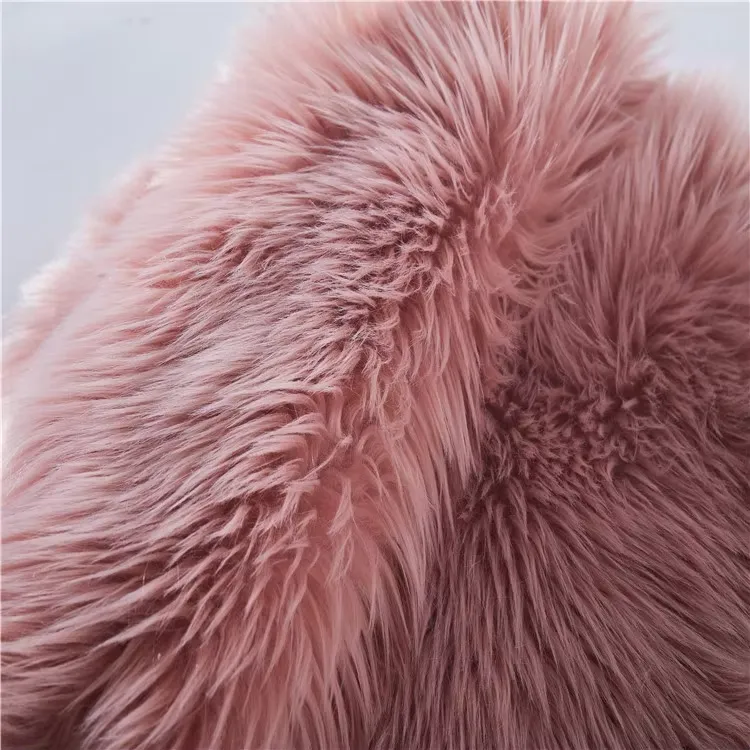
Faux fur rugs, specifically those measuring 5x8 feet, represent a significant segment within the broader decorative floor coverings market. Positioned as an alternative to natural animal hides, these rugs offer aesthetic appeal with ethical and economic advantages. The product’s technical position lies in the convergence of textile engineering, polymer chemistry, and manufacturing techniques designed to mimic the texture and appearance of genuine fur. Core performance characteristics center around pile height, fiber density, backing material durability, and resistance to shedding, staining, and abrasion. The industry faces increasing demand for sustainable materials, driving innovation in fiber composition and manufacturing processes to minimize environmental impact. Procurement challenges frequently revolve around ensuring consistent quality, accurate fiber content labeling, and adherence to flammability standards. This guide provides a comprehensive technical analysis of 5x8 faux fur rugs, addressing material science, manufacturing, performance parameters, potential failure modes, and relevant industry regulations.
Material Science & Manufacturing
The foundation of a 5x8 faux fur rug lies in its synthetic fiber composition. Predominantly, these rugs utilize acrylic, polyester, or a blend of both. Acrylic fibers, known for their wool-like texture and bulk, provide excellent softness and warmth. However, acrylic exhibits relatively lower abrasion resistance and a tendency to pill. Polyester, conversely, offers superior durability, stain resistance, and colorfastness, though it may lack the luxurious feel of acrylic. Fiber denier (fineness) significantly impacts the rug’s texture; lower denier fibers create a softer, more realistic feel. The manufacturing process typically begins with the extrusion of the polymer into filaments. These filaments undergo crimping – a mechanical process imparting wave-like curves – to enhance bulk and simulate the natural wave of animal fur. Following crimping, the fibers are cut to a specific pile height, ranging from short-pile (approximately 0.5 inches) to long-pile (up to 2 inches or more). The cut fibers are then tufted or woven into a primary backing material, commonly polypropylene or jute. Tufting involves inserting the fibers through the backing, securing them with adhesive. Weaving interlocks the fibers directly within the backing structure, resulting in a more durable but often stiffer product. A secondary backing, typically latex or felt, is applied to provide additional stability, cushioning, and prevent shedding. Critical parameters during manufacturing include maintaining consistent fiber density, ensuring proper adhesive application (avoiding both insufficient adhesion, leading to shedding, and excessive adhesive, causing stiffness), and controlling pile height uniformity. Precise control of dye application is also crucial for achieving consistent color and preventing color bleeding.

Performance & Engineering
The performance of a 5x8 faux fur rug is dictated by several engineering considerations. Load-bearing capacity and compression set are key. The rug must withstand repeated foot traffic without significant deformation or loss of pile height. This is primarily a function of the fiber density, backing material strength, and adhesive bond integrity. Environmental resistance is another critical factor. Prolonged exposure to sunlight can cause UV degradation, leading to color fading and fiber embrittlement. Moisture exposure can promote mold growth within the backing material, particularly if it’s organic (e.g., jute). Therefore, rugs intended for high-moisture environments often incorporate moisture-resistant backing materials and antimicrobial treatments. Flammability is a major compliance requirement. Faux fur rugs must meet specific flammability standards (discussed in the Standards & Regulations section) to minimize fire hazards. This often involves treating the fibers with flame retardants. The static charge build-up is also an engineering concern. Synthetic fibers readily accumulate static electricity, potentially causing discomfort and attracting dust. Anti-static treatments can mitigate this effect. Force analysis focuses on the shear strength of the tuft bind and the tensile strength of both the primary and secondary backing materials. Higher shear strength minimizes shedding, while robust tensile strength resists tearing and delamination. The rug's weight per square meter (GSM) is a significant metric affecting both durability and perceived quality; higher GSM generally correlates with increased pile density and resilience.
Technical Specifications
| Parameter | Acrylic Fiber | Polyester Fiber | Pile Height (inches) | Backing Material |
|---|---|---|---|---|
| Tensile Strength (psi) | 2,000 - 3,000 | 3,500 - 5,000 | 0.5 - 2.0 | Polypropylene, Jute, Latex |
| Abrasion Resistance (cycles to failure) | 5,000 - 10,000 | 15,000 - 25,000 | Density (oz/sq yd) | 800-1500 |
| Moisture Regain (%) | 14 - 18 | 0.4 - 0.8 | Flammability (pillory test) | Pass/Fail (Dependent on treatment) |
| UV Resistance (color fade after 500 hours) | Significant | Moderate | Shedding Rate (g/m²) | < 5 |
| Static Charge (Volts) | High | Moderate | Compression Set (%) | <10 |
| Cost per kg | $3 - $6 | $2 - $4 | Pile Density (fibers/sq inch) | 500-1200 |
Failure Mode & Maintenance
Faux fur rugs are susceptible to several failure modes. Shedding, particularly during initial use, is a common issue stemming from loose fibers or inadequate tuft bind. Pilling occurs when fibers become entangled and form small balls on the surface, primarily affecting acrylic rugs. Fiber breakage results from repeated abrasion or exposure to sharp objects. Delamination involves separation of the pile from the backing, often caused by adhesive failure or backing material degradation. Color fading arises from UV exposure, leading to a dull or uneven appearance. Matting and crushing occur under heavy furniture or high-traffic areas, compressing the pile and reducing its resilience. Mold and mildew growth can develop in the backing material if exposed to moisture. Maintenance is crucial for extending the rug’s lifespan. Regular vacuuming (using a suction-only nozzle to avoid damaging the fibers) removes dust and debris. Spot cleaning with a mild detergent and water addresses spills promptly. Avoid harsh chemicals or abrasive cleaners. Professional cleaning is recommended annually or bi-annually, depending on usage. Rotation of the rug every six months distributes wear evenly. To prevent matting, use rug pads underneath heavy furniture. Store the rug in a dry, well-ventilated area when not in use. Regular brushing with a soft-bristled brush can help restore pile height and prevent matting.
Industry FAQ
Q: What is the difference between acrylic and polyester faux fur in terms of longevity?
A: Polyester generally exhibits superior longevity compared to acrylic. While acrylic offers a softer feel, polyester boasts higher abrasion resistance and better resilience to crushing. Over time, acrylic fibers are more prone to pilling and breakage, leading to a noticeable decline in appearance. Polyester maintains its structural integrity for a longer duration, particularly under moderate to high traffic conditions.
Q: How does the backing material impact the overall durability of the rug?
A: The backing material significantly influences the rug's durability. Polypropylene provides good moisture resistance and is cost-effective, but offers limited structural support. Jute is more environmentally friendly but susceptible to mold and mildew in humid environments. Latex backing provides excellent adhesion and cushioning but can degrade over time, becoming brittle and causing delamination. The optimal backing depends on the intended use and environmental conditions.
Q: What flammability standards are typically applied to faux fur rugs?
A: Faux fur rugs must generally comply with flammability standards like California Technical Bulletin 117 (TB 117) for residential applications and UFAC Class 1 or NFPA 701 for commercial settings. These standards assess the rug's resistance to ignition and the rate at which flames spread. Flame retardant treatments are often applied to meet these requirements.
Q: What steps can be taken to minimize shedding in a new faux fur rug?
A: Initial shedding is common. Frequent vacuuming (suction only, no beater bar) for the first few weeks is crucial to remove loose fibers. A rug pad can help stabilize the rug and reduce fiber displacement. Avoid vigorous agitation or scrubbing. Some shedding is inevitable, but these measures will minimize it.
Q: How can I prevent color fading due to sunlight exposure?
A: Minimize direct sunlight exposure whenever possible. Use curtains or blinds to filter sunlight. Rotate the rug periodically to ensure even exposure. Consider applying a UV protectant spray specifically designed for synthetic fibers, although this may slightly alter the texture.
Conclusion
The 5x8 faux fur rug represents a complex intersection of material science, textile engineering, and consumer demand. Its performance hinges on the careful selection of fiber types (acrylic or polyester), robust manufacturing processes, and adherence to stringent quality control measures. Understanding the potential failure modes – shedding, pilling, delamination, and UV degradation – is paramount for both manufacturers and end-users. Proper maintenance practices, including regular vacuuming, spot cleaning, and the use of rug pads, are essential for maximizing the rug’s lifespan and preserving its aesthetic appeal.
Looking ahead, the industry will likely see increased emphasis on sustainable materials and manufacturing techniques, such as utilizing recycled polymers and minimizing water consumption. Further research into fiber modification and coating technologies could enhance UV resistance and abrasion resistance, improving the longevity and performance of these rugs. The demand for specialized finishes, such as antimicrobial and anti-static treatments, is also expected to grow, driven by consumer preferences for enhanced comfort and hygiene.