


faux fur rug 9x12 Performance Analysis
Introduction
Faux fur rugs, particularly the 9x12 format, represent a significant segment of the home textiles market, offering an affordable and ethically sourced alternative to genuine animal fur. These rugs are primarily utilized for enhancing aesthetic appeal and providing tactile comfort within residential spaces. Technically, a 9x12 faux fur rug consists of a backing material, typically jute or polypropylene, onto which synthetic fibers – primarily acrylic or polyester – are densely anchored, mimicking the look and feel of natural fur. The performance characteristics, notably pile height, density, and fiber composition, directly correlate to perceived quality and durability. This guide will provide an in-depth examination of the materials, manufacturing processes, performance parameters, potential failure modes, and relevant industry standards associated with 9x12 faux fur rugs, focusing on the technical considerations critical for sourcing, quality control, and end-user satisfaction. A key industry pain point revolves around inconsistent fiber quality, leading to shedding and matting, impacting both consumer perception and product lifespan. Understanding the underlying material science is crucial for mitigating these issues.
Material Science & Manufacturing
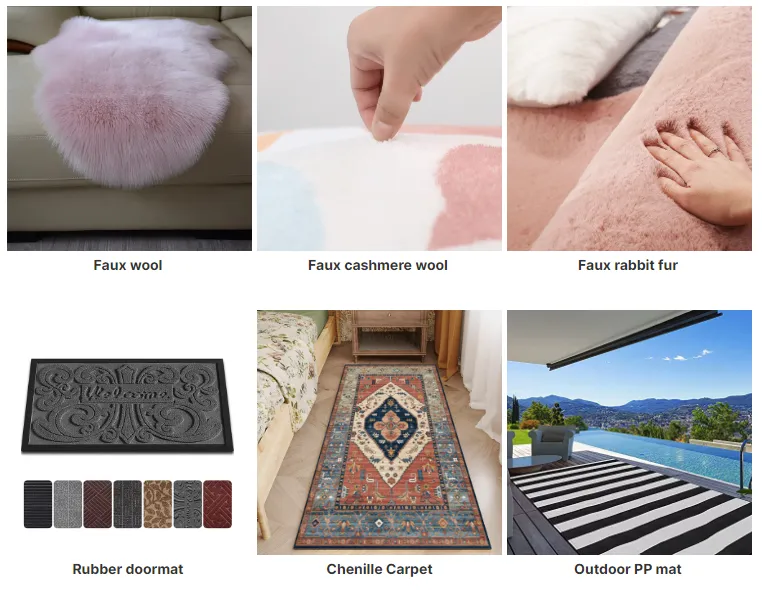
The core material composition of a 9x12 faux fur rug dictates its properties. The primary fiber component is typically either acrylic or polyester. Acrylic fibers (polyacrylonitrile) offer a softer, more luxurious feel, closely resembling natural fur, and exhibit excellent bulk and drape. However, acrylic is susceptible to pilling and can be less resistant to abrasion compared to polyester. Polyester fibers, conversely, are known for their high tensile strength, resilience, and resistance to crushing, making them more durable in high-traffic areas. Polyester faux fur tends to be less expensive but may lack the premium feel of acrylic. The backing material is commonly polypropylene (PP) due to its cost-effectiveness and inherent moisture resistance, though jute is used for more eco-conscious options, accepting that it introduces potential issues with moisture absorption.
Manufacturing involves several key stages. First, the synthetic fibers are extruded and dyed to the desired color. This dyeing process must ensure colorfastness to prevent bleeding during cleaning. Next, the fibers are cut to a specific length, defining the pile height. Pile height significantly impacts the rug’s softness and visual density. The fibers are then mechanically anchored into the backing material using a tufting or weaving process. Tufting involves inserting the fibers through the backing, securing them with a latex adhesive. Weaving, a more complex and expensive process, interlocks the fibers with the backing threads, creating a more durable and stable structure. Post-tufting or weaving, the rug undergoes a shearing process to achieve a uniform pile height and a refined appearance. Critical parameters during manufacturing include fiber density (measured in ounces per square yard), stitch rate, and adhesive application. Insufficient adhesive or improper stitch rates contribute to fiber shedding and premature wear. Quality control focuses on dimensional accuracy, color consistency, and fiber retention testing.
Performance & Engineering
The performance of a 9x12 faux fur rug is governed by its ability to withstand compressive forces, resist abrasion, and maintain its aesthetic qualities over time. Compressive force analysis is crucial for determining the rug's resilience and ability to recover its original shape after being subjected to foot traffic. Higher pile heights generally offer greater comfort but are more prone to flattening. Abrasion resistance, measured using methods like the Wyzenbeek test, indicates the rug's durability against wear and tear. A higher Wyzenbeek count signifies greater longevity. Environmental resistance is a critical concern. Exposure to direct sunlight can cause fading and degradation of the synthetic fibers, particularly acrylic. Moisture resistance, primarily dependent on the backing material, impacts the rug’s susceptibility to mold and mildew growth.
Compliance requirements often focus on flammability and VOC emissions. In the US, the Federal Flammable Fabrics Act (FFFA) mandates that rugs meet specific flammability standards. Regulations regarding Volatile Organic Compounds (VOCs) are increasingly stringent, particularly concerning the latex adhesives used in tufting. Engineered performance focuses on optimizing fiber density and pile height to balance comfort, durability, and cost. Recent advancements include the development of specialized polyester fibers with enhanced resilience and UV resistance, addressing key performance limitations. Furthermore, techniques for improving adhesive bonding strength are continually being refined to minimize fiber shedding. The selection of the backing material plays a crucial role; polypropylene provides superior moisture resistance, while jute offers a more sustainable, although less durable, alternative.
Technical Specifications
| Parameter | Acrylic Fiber | Polyester Fiber | Polypropylene Backing | Jute Backing |
|---|---|---|---|---|
| Pile Height (mm) | 25-60 | 20-50 | N/A | N/A |
| Fiber Density (oz/yd²) | 800-1200 | 600-1000 | N/A | N/A |
| Tensile Strength (MPa) | 40-60 | 70-90 | 25-35 | 30-40 |
| Abrasion Resistance (Wyzenbeek cycles) | 500-800 | 800-1500 | N/A | N/A |
| Moisture Absorption (%) | 3-5 | 0.5-1.5 | 0.1-0.5 | 10-15 |
| Colorfastness (Rating 1-5) | 3-4 | 4-5 | N/A | N/A |
Failure Mode & Maintenance
Common failure modes in 9x12 faux fur rugs include fiber shedding, matting, pilling, and degradation due to UV exposure. Shedding is primarily caused by inadequate fiber anchoring or low-quality adhesive. Matting occurs when the fibers become compressed and lose their resilience, resulting in a flattened appearance. This is exacerbated by prolonged foot traffic and improper cleaning. Pilling, the formation of small balls of fiber on the surface, is particularly prevalent with acrylic fibers and results from fiber abrasion. UV degradation leads to color fading and fiber embrittlement, weakening the rug’s structure. Another failure mode is delamination of the fibers from the backing, often due to adhesive failure caused by high humidity or repeated cleaning.
Preventative maintenance is crucial for extending the rug’s lifespan. Regular vacuuming, ideally with a suction-only vacuum cleaner (avoiding beater bars), helps remove loose fibers and debris. Promptly addressing spills prevents staining and potential fiber damage. Professional cleaning is recommended every 12-18 months to remove embedded dirt and restore the pile. Avoid direct sunlight exposure to minimize UV degradation. If shedding is a persistent issue, applying a rug adhesive designed for synthetic fibers can help re-anchor loose fibers. For delamination, professional repair involving re-adhering the fibers to the backing is often necessary. Avoid harsh chemicals or abrasive cleaners, as these can damage the synthetic fibers and compromise the rug’s integrity. Rotating the rug periodically helps distribute wear evenly and prevents localized matting.
Industry FAQ
Q: What is the primary difference between acrylic and polyester faux fur in terms of long-term durability?
A: While acrylic offers a softer, more luxurious feel initially, polyester generally exhibits superior long-term durability. Polyester fibers are inherently more resilient to abrasion and crushing, resulting in a longer lifespan, particularly in high-traffic areas. Acrylic is more prone to pilling and can degrade faster under prolonged stress.
Q: How does the backing material affect the overall performance and maintenance of the rug?
A: The backing material significantly influences moisture resistance and structural integrity. Polypropylene (PP) backing provides excellent moisture resistance, preventing mold and mildew growth. Jute backing, while more eco-friendly, is susceptible to moisture absorption and may require more frequent cleaning and drying. A robust backing is crucial for preventing delamination.
Q: What flammability standards are typically applied to faux fur rugs, and what testing is involved?
A: In the US, the Federal Flammable Fabrics Act (FFFA) dictates flammability requirements. Testing typically involves exposing a sample of the rug to a flame and measuring the rate of flame spread and char length. The rug must meet specific criteria to be compliant. Similar standards exist internationally, such as those set by EN in Europe.
Q: What are the key factors to consider when evaluating the quality of the adhesive used in tufting?
A: Adhesive quality is paramount. Key factors include tensile strength, shear strength, and resistance to temperature and humidity fluctuations. A high-quality adhesive ensures strong fiber anchoring, minimizing shedding. Testing should confirm the adhesive’s ability to maintain bond strength over time and under stress.
Q: What is the impact of pile height on both comfort and maintenance requirements?
A: Higher pile heights generally provide greater comfort and a more luxurious feel, but they are more prone to matting and require more frequent vacuuming to maintain their appearance. Lower pile heights are more durable and easier to clean, but offer less cushioning. The optimal pile height depends on the intended use and desired level of comfort.
Conclusion
The selection of a 9x12 faux fur rug necessitates careful consideration of material science principles and manufacturing processes. The choice between acrylic and polyester fibers, coupled with the backing material (polypropylene versus jute), fundamentally impacts the rug’s durability, performance, and maintenance requirements. Understanding the potential failure modes—shedding, matting, pilling, and degradation—and implementing preventative maintenance strategies are crucial for maximizing the rug’s lifespan and preserving its aesthetic appeal.
Future advancements in faux fur rug technology are likely to focus on developing more sustainable fiber options, improving adhesive bonding strength, and enhancing UV resistance. Furthermore, advancements in tufting and weaving techniques will likely lead to more durable and aesthetically pleasing rugs. Prioritizing quality control throughout the manufacturing process, with rigorous testing of fiber strength, colorfastness, and adhesive performance, will remain paramount for ensuring customer satisfaction and mitigating industry pain points related to inconsistent product quality.