


faux fur rug living room Material Performance
Introduction
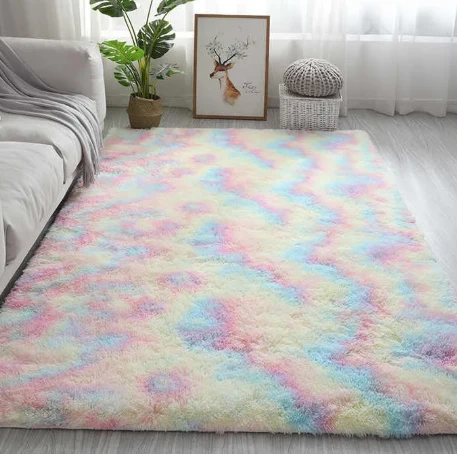
Faux fur rugs for living rooms represent a significant segment within the broader decorative textile industry, increasingly favored as alternatives to genuine animal fur due to ethical concerns, cost considerations, and improved manufacturing techniques. This guide provides a comprehensive technical overview of faux fur rugs, covering their material composition, manufacturing processes, performance characteristics, potential failure modes, and relevant industry standards. The core performance of a faux fur rug revolves around simulating the tactile qualities of real fur – softness, density, and thermal insulation – while maintaining durability and aesthetic appeal. Increasingly, consumer demand focuses on rugs exhibiting high pile density, realistic texture, and resistance to shedding, necessitating advanced fiber technologies and construction methods. This guide is geared toward procurement managers, interior designers, and quality control engineers involved in the selection, specification, and long-term maintenance of these products.
Material Science & Manufacturing
The vast majority of faux fur rugs are constructed from synthetic polymers, predominantly acrylic and polyester. Acrylic fibers (polyacrylonitrile) are favored for their close resemblance to natural wool and their ability to create a plush, soft texture. However, acrylic exhibits relatively lower abrasion resistance and susceptibility to pilling compared to polyester. Polyester, often in the form of polyethylene terephthalate (PET), offers superior durability, resilience, and resistance to crushing. The base cloth or backing material is typically composed of polypropylene (PP) or jute. Polypropylene provides strength and dimensional stability, while jute offers a more natural, biodegradable option.
Manufacturing involves several key stages. Fiber production begins with polymer extrusion, where molten polymer is forced through spinnerets to create continuous filaments. These filaments are then crimped and cut to the desired staple length. The “pile” – the fur-like surface – is created through tufting or weaving. Tufting involves inserting the fibers into the backing material using needles, followed by latex adhesion to secure them. Weaving, while less common for high-pile faux fur, creates a more durable and intricate structure. Following pile creation, the rug undergoes shearing to achieve the desired pile height and density, and a final backing is applied for added stability and protection. Parameter control during extrusion (polymer temperature, spinneret size) directly impacts fiber diameter and texture. Tufting density and latex adhesive composition are critical for pile retention and overall rug durability. Dyeing is typically performed on the fibers before tufting or weaving, utilizing acid dyes for acrylic and disperse dyes for polyester.
Performance & Engineering
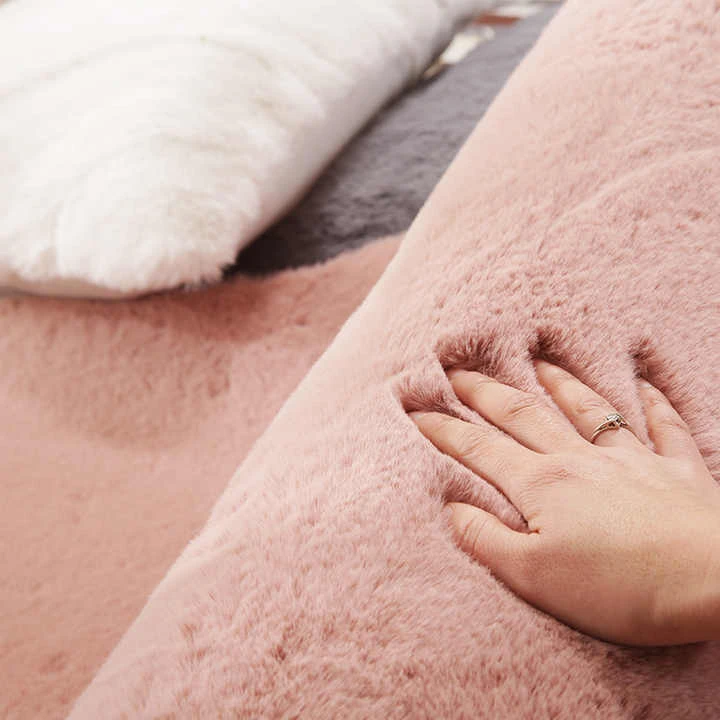
The performance of a faux fur rug is assessed through several key engineering parameters. Pile height and density directly correlate to the perceived softness and thermal insulation. Higher pile heights (e.g., 50mm+) offer a more luxurious feel but can be prone to matting. Density, measured in ounces per square yard, influences durability and resistance to crushing. Tensile strength, assessed according to ASTM D4157, determines the rug’s ability to withstand pulling forces, crucial for areas with high foot traffic. Colorfastness to light (ASTM D1654) and washing (ISO 105 C06) are essential for maintaining aesthetic appearance over time. Flammability is a critical safety concern, and faux fur rugs should meet relevant flammability standards, such as California Proposition 65 for formaldehyde emissions and the Federal Flammability Standard FF 1-70.
Force analysis is important in understanding how the rug will deform under load. The compression set, the permanent deformation after sustained pressure, should be minimized. Environmental resistance includes UV stability (to prevent fading from sunlight), resistance to mold and mildew (particularly in humid environments), and resistance to common household cleaning agents. Compliance requirements vary by region. In the EU, REACH regulations restrict the use of certain chemicals in textile production. In the US, the Consumer Product Safety Improvement Act (CPSIA) addresses lead content and other safety hazards.
Technical Specifications
| Parameter | Acrylic Fiber Rug | Polyester Fiber Rug | Backing Material |
|---|---|---|---|
| Pile Height (mm) | 20-60 | 20-60 | N/A |
| Pile Density (oz/yd²) | 800-1500 | 1000-2000 | N/A |
| Fiber Denier | 2-6 | 3-8 | N/A |
| Tensile Strength (lbs/in) | 5-8 | 8-12 | 15-25 (Polypropylene) / 8-12 (Jute) |
| Colorfastness to Light (Rating 1-5) | 3-4 | 4-5 | N/A |
| Flammability (Pass/Fail - FF 1-70) | Pass (with treatment) | Pass | N/A |
Failure Mode & Maintenance
Common failure modes in faux fur rugs include shedding, matting, pilling, and fiber degradation. Shedding occurs due to insufficient fiber anchorage in the backing, often exacerbated by high traffic or aggressive vacuuming. Matting arises from the compression of the pile fibers, reducing their loft and resilience. Pilling is caused by the formation of small fiber balls on the surface, particularly prevalent with acrylic fibers. Fiber degradation results from UV exposure, leading to discoloration and brittleness. Oxidation can also occur, especially in polyester exposed to heat and oxygen.
Maintenance practices significantly impact lifespan. Regular vacuuming (using a suction-only attachment) is crucial for removing loose fibers and debris. Avoid aggressive brushing or vacuuming with beater bars, as these can damage the pile. Spot cleaning should be performed with a mild detergent and water, avoiding harsh chemicals. Professional cleaning is recommended every 12-18 months. To mitigate shedding, a rug pad can provide additional backing support. To prevent matting, rotate the rug regularly to distribute wear. UV protectant sprays can help slow down fiber degradation from sunlight exposure. For minor pilling, a fabric shaver can be used to remove the fiber balls, but caution should be exercised to avoid damaging the underlying fibers.
Industry FAQ
Q: What is the primary difference in durability between acrylic and polyester faux fur rugs?
A: Polyester generally exhibits superior abrasion resistance and resilience compared to acrylic. Acrylic fibers, while softer, are more prone to pilling and fiber breakdown under prolonged wear. Therefore, polyester rugs are typically recommended for high-traffic areas.
Q: How does the backing material affect the overall performance of a faux fur rug?
A: The backing material provides structural support and dimensional stability. Polypropylene backing is favored for its strength and resistance to moisture, while jute offers a more eco-friendly but less durable option. The quality of the backing adhesive is also critical for preventing fiber shedding.
Q: What flammability standards are typically applied to faux fur rugs?
A: Faux fur rugs are commonly tested against the Federal Flammability Standard FF 1-70. In California, they must also comply with Proposition 65 regulations regarding formaldehyde emissions. Meeting these standards is crucial for ensuring product safety.
Q: How can I minimize shedding in a newly purchased faux fur rug?
A: Initial shedding is common in new rugs. Regular vacuuming with a suction-only attachment, avoiding aggressive brushing, and the use of a quality rug pad can significantly reduce shedding over time. A low-moisture foam cleaning can also help set the fibers.
Q: What impact does UV exposure have on the lifespan of a faux fur rug, and how can it be mitigated?
A: Prolonged UV exposure can cause fiber discoloration and brittleness, particularly in acrylic fibers. Rotating the rug to minimize direct sunlight exposure and applying a UV protectant spray can help extend its lifespan.
Conclusion
Faux fur rugs represent a versatile and aesthetically pleasing flooring solution, offering a viable alternative to natural fur. The performance of these rugs is intrinsically linked to the selection of raw materials – acrylic and polyester being the dominant fiber types – and the precision of the manufacturing process, encompassing fiber extrusion, tufting/weaving, and finishing. Understanding the technical specifications, potential failure modes, and relevant industry standards is critical for ensuring product quality, durability, and consumer safety.
Future advancements in faux fur rug technology will likely focus on developing more sustainable fiber sources (e.g., recycled polyester), improving fiber bonding techniques to reduce shedding, and enhancing UV resistance. Moreover, increasing emphasis on eco-friendly manufacturing processes and adherence to stringent environmental regulations will shape the future of the industry. Proper maintenance, as outlined in this guide, remains paramount for maximizing the lifespan and aesthetic appeal of these products.