

faux fur rug navy Performance Analysis
Introduction
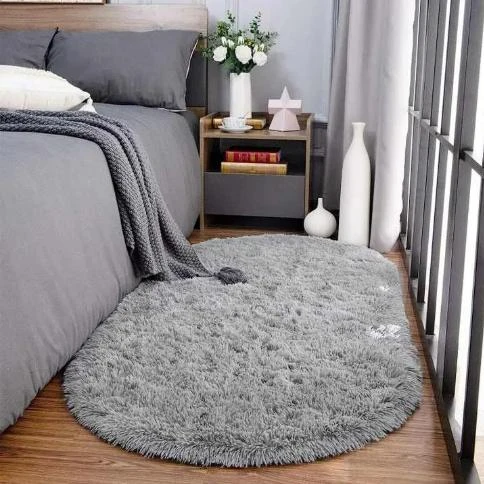
Faux fur rugs, particularly in the navy color variant, represent a significant segment of the floor covering industry, bridging the aesthetic appeal of animal fur with ethical and economic considerations. Positioned within the broader textile and home furnishings supply chain, these rugs serve as a decorative and comfort-enhancing product for residential and commercial spaces. Core performance characteristics center around tactile softness, visual texture, thermal insulation, and ease of maintenance. Unlike natural fur, faux fur is typically manufactured from synthetic polymers, offering a cost-effective alternative that addresses animal welfare concerns and allergy sensitivities. The navy color, a popular choice, introduces a versatile design element capable of complementing diverse interior palettes. This guide provides a comprehensive technical overview of faux fur rug (navy) construction, performance, failure modes, and industry standards, catering to the needs of procurement managers, quality control engineers, and textile specialists.
Material Science & Manufacturing
The predominant raw material for faux fur rugs is polyacrylonitrile (PAN) fiber, often marketed under trade names like Acrylonitrile or Creslan. PAN provides a desirable combination of softness, bulk, and dyeability. Other polymers, such as modacrylic or polyester, may be blended to modify properties like flame retardancy or durability. The manufacturing process begins with the polymerization of acrylonitrile monomer, followed by fiber extrusion. Fiber denier (thickness) is a critical parameter, typically ranging from 0.5 to 3.0 DPU (Denier Per Unit length) to achieve a soft hand feel. The extruded fibers are then crimped – a mechanical process inducing waves or bends – to enhance bulk and loft. These crimped fibers are subsequently dyed using solution dyeing or piece dyeing techniques. Solution dyeing, where pigment is added during the extrusion process, offers superior colorfastness. The dyed fibers are then attached to a backing material, commonly polypropylene or jute. The attachment method significantly impacts durability; tufting is the most common, involving insertion of fiber loops into the backing, followed by coating with a latex adhesive. Alternative methods include weaving or needle punching. Pile height, ranging from 20mm to 60mm, dictates the rug’s texture and perceived luxury. Control of pile density (number of tufts per square inch) is crucial for performance and aesthetic consistency. Finishing treatments, such as brushing and shearing, further refine the rug’s appearance and tactile qualities. Quality control at each stage – polymerization, extrusion, crimping, dyeing, tufting, and finishing – is essential to ensure a consistent final product.
Performance & Engineering
The performance of a faux fur rug is governed by several key engineering principles. Compressive resilience – the ability to recover its original shape after being compressed – is paramount for comfort and longevity. This is directly related to fiber crimp and pile density. Tensile strength, measured according to ASTM D2256, determines resistance to tearing and stretching. A minimum tensile strength of 150 N/50mm is generally considered acceptable for residential rugs. Abrasion resistance, assessed using methods like the Taber Abrasion Tester (ASTM D4966), indicates resistance to wear and tear from foot traffic. Colorfastness to light, evaluated via AATCC 16E, is crucial to prevent fading over time; a rating of 4 or higher (on a scale of 1-5) is desirable. Fire retardancy is a critical safety concern. Faux fur rugs should meet flammability standards like California Technical Bulletin 117 or similar regional regulations. The backing material’s contribution to dimensional stability must be considered; shrinkage or stretching can lead to warping or buckling. Thermal insulation, quantified by R-value, provides comfort by reducing heat loss. The rug's thermal performance depends on pile height, density, and fiber type. Environmental resistance – resistance to mold, mildew, and UV degradation – is also a key performance indicator, particularly for outdoor applications. The rug must withstand cyclical loading (repeated compression and recovery) without significant loss of performance.
Technical Specifications
| Parameter | Unit | Typical Value (Navy Faux Fur Rug) | Test Method |
|---|---|---|---|
| Fiber Composition | - | 80% Polyacrylonitrile, 20% Modacrylic | FTIR Spectroscopy |
| Pile Height | mm | 40 | Visual Inspection/Ruler |
| Pile Density | Tufts/sq. inch | 1200-1800 | Manual Count/Image Analysis |
| Backing Material | - | Polypropylene | Visual Inspection/Chemical Analysis |
| Tensile Strength | N/50mm | 180 | ASTM D2256 |
| Abrasion Resistance | Cycles to Wear | > 5000 | ASTM D4966 (Taber Abraser) |
| Colorfastness to Light | Rating (1-5) | 4.5 | AATCC 16E |
Failure Mode & Maintenance
Faux fur rugs are susceptible to several failure modes. Pile shedding is common, particularly during initial use, resulting from loose fibers. This is usually a cosmetic issue, but excessive shedding indicates poor fiber locking. Matting, or pile compression, occurs under high-traffic areas, reducing the rug’s plushness. This can be mitigated with regular vacuuming and rug rotation. Fiber degradation, caused by UV exposure or chemical attack (e.g., cleaning agents), leads to discoloration and reduced strength. Delamination, separation of the pile from the backing, is a critical failure mode indicating inadequate adhesive bonding. This can be caused by excessive moisture or mechanical stress. Crushing can occur due to heavy objects placed on the rug for extended periods. Maintenance recommendations include regular vacuuming (avoiding beater bars), spot cleaning with mild detergent and water, and professional cleaning when necessary. Avoid harsh chemicals, excessive moisture, and direct sunlight. Promptly address spills to prevent staining. For delamination, professional re-bonding may be possible, but extensive damage typically necessitates replacement. Regular rotation of the rug can distribute wear evenly and prolong its lifespan. Preventative measures, such as using rug pads, can provide additional cushioning and protect both the rug and the floor beneath it.
Industry FAQ
Q: What is the primary difference between a high-end and a low-end faux fur rug in terms of material composition?
A: High-end faux fur rugs typically employ higher quality polyacrylonitrile fibers with superior crimp and dyeability. They also often incorporate a greater percentage of modacrylic for enhanced flame retardancy and softness. Lower-end rugs may utilize a lower grade of PAN, blended with a higher proportion of polyester, resulting in a less luxurious feel and potentially reduced durability.
Q: How does the backing material affect the overall lifespan of the rug?
A: The backing material is critical. Polypropylene offers good resistance to moisture and abrasion, but its adhesive bonding can degrade over time. Jute is more sustainable but prone to moisture damage and mildew. A high-quality latex adhesive is essential for secure pile attachment, and the backing’s weight and construction influence its ability to withstand stress and prevent delamination.
Q: What is the significance of colorfastness testing, and what rating is acceptable for indoor use?
A: Colorfastness testing (AATCC 16E) assesses the rug’s resistance to fading upon exposure to light. A rating of 4 or higher (on a scale of 1-5) is generally considered acceptable for indoor use, ensuring the navy color remains vibrant over time. Lower ratings indicate a higher risk of fading and discoloration.
Q: What are the flammability standards I should be aware of when procuring faux fur rugs?
A: In the US, California Technical Bulletin 117 is a common standard. Internationally, EN 13501-1 (European Classification of Reaction to Fire) and similar regional regulations should be considered. Compliance with these standards ensures the rug meets safety requirements for fire resistance.
Q: Can faux fur rugs be cleaned with steam cleaners?
A: Generally, steam cleaning is not recommended for faux fur rugs. The high heat can damage the synthetic fibers and potentially melt the adhesive. Vacuuming and spot cleaning with a mild detergent are the preferred methods. If professional cleaning is required, seek a specialist experienced with synthetic rugs.
Conclusion
Faux fur rugs, particularly in navy, offer a compelling blend of aesthetic appeal, comfort, and ethical sourcing. Understanding the underlying material science – the properties of polyacrylonitrile, modacrylic, and backing materials – is fundamental to evaluating product quality and performance. The manufacturing process, from fiber extrusion to finishing, demands precise control of parameters like denier, crimp, pile height, and adhesive bonding to ensure durability and consistency.
Procurement decisions should be informed by rigorous testing against established standards (ASTM, AATCC, etc.) and a thorough assessment of potential failure modes. Proper maintenance practices – regular vacuuming, prompt spill cleanup, and avoidance of harsh chemicals – are essential to maximizing the rug’s lifespan and maintaining its aesthetic integrity. Continued innovation in fiber technology and manufacturing processes will likely lead to even more durable, sustainable, and aesthetically pleasing faux fur rug options in the future.