

faux fur rug throw Performance Analysis
Introduction
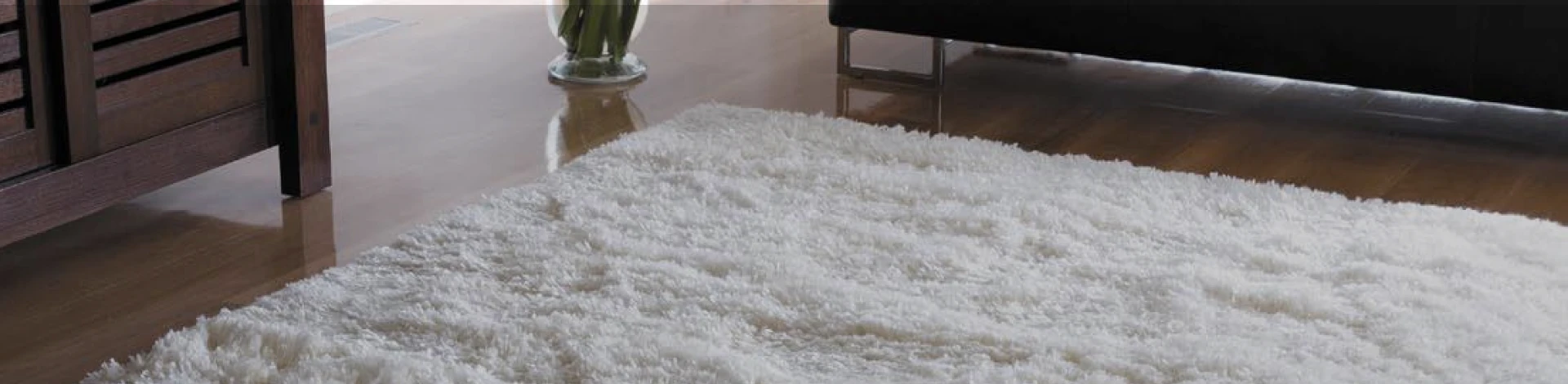
Faux fur rug throws represent a significant segment within the broader decorative textiles market, positioned as a cost-effective and ethically sourced alternative to genuine animal fur. These throws, typically used for aesthetic appeal and comfort, fall within the supply chain between raw material production (primarily polyester and acrylic fibers) and retail distribution, serving both residential and commercial applications. Core performance characteristics include thermal insulation, visual texture, and durability against standard domestic use. The industry faces increasing scrutiny regarding microplastic shedding during washing and end-of-life recyclability, prompting innovation in fiber composition and construction techniques. Understanding these factors is crucial for manufacturers, retailers, and consumers seeking a balance between luxury, affordability, and environmental responsibility. The increasing demand for vegan and cruelty-free products further fuels the growth of the faux fur throw market.
Material Science & Manufacturing
The dominant raw materials in faux fur rug throw production are polyester and acrylic fibers, often derived from petrochemical feedstocks. Polyester, specifically polyethylene terephthalate (PET), provides inherent strength, wrinkle resistance, and colorfastness. Acrylic fibers, composed of acrylonitrile, offer a softer texture and improved wool-like appearance. Fiber denier – a unit of measurement for fiber fineness – significantly influences the pile height and overall feel of the throw, ranging typically from 1-5 denier for finer textures to 10-15 denier for more substantial pile depths. Manufacturing processes primarily involve knitting or weaving these fibers onto a backing material, usually a cotton or polyester base cloth. A crucial step is the “tipping” or “brushing” process, where specialized machinery uses rotating bristles to create the characteristic fur-like appearance. Parameter control during tipping is critical; insufficient brushing results in a flat, unconvincing texture, while excessive brushing can lead to fiber breakage and premature wear. Pile density (fibers per square inch) and pile height (length of the fibers) are meticulously controlled to achieve desired aesthetic and performance characteristics. The backing material undergoes a finishing process, often involving latex application, to enhance stability and prevent fiber shedding. Dyeing occurs either at the fiber stage (solution dyeing for superior colorfastness) or after fabric formation, employing various dye classes suited to synthetic fibers (disperse dyes for polyester, basic dyes for acrylic).
Performance & Engineering
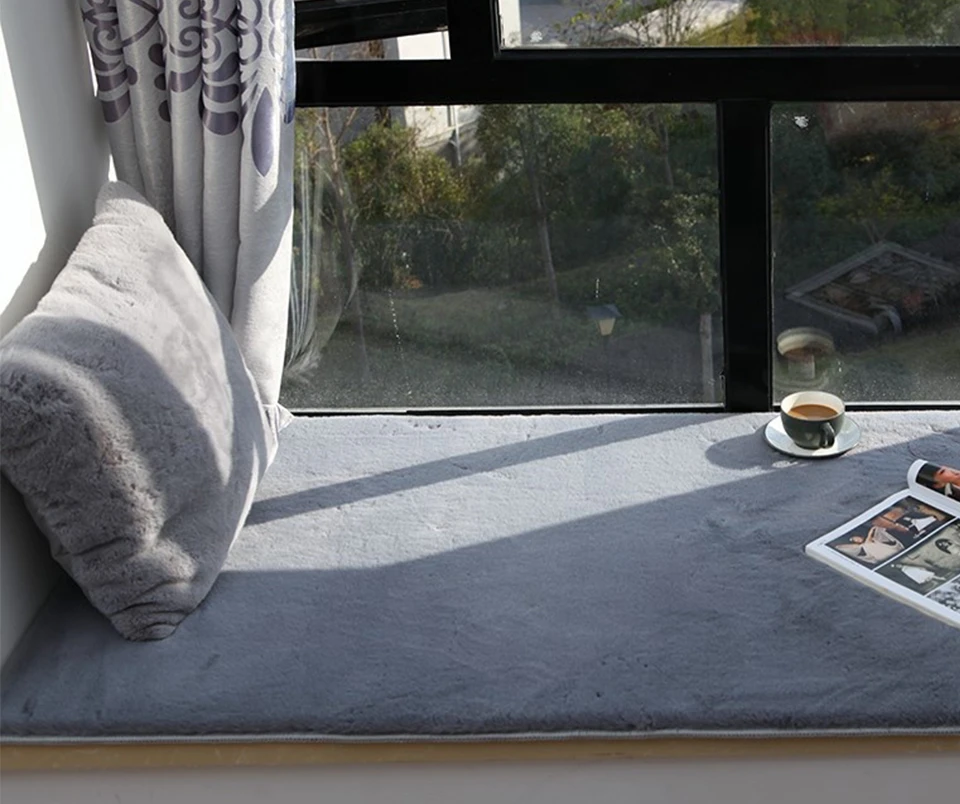
The performance of a faux fur rug throw is critically linked to its structural integrity and environmental resistance. Force analysis reveals that the pile’s resistance to compression and shear stress determines its resilience and ability to maintain its appearance under foot traffic. Tensile strength, measured using ASTM D4266, indicates the fabric’s resistance to tearing, with values typically ranging from 15-30 lbs/inch depending on fiber type and construction. Environmental resistance focuses on colorfastness to light (ISO 105-B02) and wash fastness (ISO 105-C06), critical for maintaining aesthetic appeal over time. Flammability is a significant safety concern addressed through compliance with standards like CAL 117 for residential furniture. The thermal resistance (R-value) – a measure of thermal insulation – depends on pile height and density, with thicker, denser throws providing greater warmth. Microplastic shedding during laundering presents an ongoing environmental challenge. The rate of shedding is influenced by fiber type (acrylic tends to shed more than polyester), weave structure, and washing conditions (temperature, detergent type, agitation). Engineering efforts are focused on developing locking fiber structures and applying surface treatments to minimize microplastic release. Proper backing construction plays a critical role in dimensional stability, preventing stretching or warping during use and cleaning.
Technical Specifications
| Parameter | Polyester Faux Fur | Acrylic Faux Fur | Microfiber Faux Fur (Polyester Blend) |
|---|---|---|---|
| Fiber Composition | 100% Polyester | 100% Acrylic | 80% Polyester, 20% Microfiber |
| Pile Height (mm) | 25-60 | 30-70 | 20-40 |
| Pile Density (fibers/in²) | 800-1500 | 600-1200 | 1000-1800 |
| Tensile Strength (lbs/inch) | 20-25 | 15-20 | 25-30 |
| Colorfastness to Light (ISO 105-B02) | Grade 4-5 | Grade 3-4 | Grade 5 |
| Flammability (CAL 117) | Compliant | Compliant (with treatment) | Compliant |
Failure Mode & Maintenance
Faux fur rug throws are susceptible to several failure modes. Fiber fatigue cracking, particularly in acrylic fibers, occurs due to repeated bending and compression, leading to a loss of pile integrity and a flattened appearance. Delamination of the pile from the backing material is a common issue, often caused by inadequate latex adhesion or excessive stress. Oxidation of the fibers, especially with prolonged exposure to UV light, results in discoloration and brittleness. Microplastic shedding, as previously discussed, is a continuous degradation process that reduces the throw’s mass and contributes to environmental pollution. Matting, caused by prolonged compression in high-traffic areas, diminishes the plushness of the fur. Maintenance recommendations include regular vacuuming with a brush attachment to remove dust and debris. Spot cleaning with mild detergent and cold water is preferred; avoid harsh chemicals. Machine washing is possible, but use a gentle cycle, cold water, and a microfiber laundry bag to minimize shedding and fiber damage. Tumble drying on low heat or air drying is recommended. Avoid ironing, as heat can melt synthetic fibers. Periodic professional cleaning can extend the lifespan of the throw and restore its appearance.
Industry FAQ
Q: What is the primary difference in durability between polyester and acrylic faux fur?
A: Polyester generally exhibits superior abrasion resistance and tensile strength compared to acrylic. While acrylic offers a softer, more natural feel, it’s more prone to pilling, matting, and fiber breakage over time, especially with frequent use and washing. Polyester faux fur tends to hold its shape and texture for a longer duration.
Q: How significant is the issue of microplastic shedding, and what mitigation strategies are being employed?
A: Microplastic shedding is a significant environmental concern, with faux fur throws contributing to the overall plastic pollution problem. Mitigation strategies include using tighter weave structures to reduce fiber release, applying surface coatings to lock fibers in place, and exploring alternative fiber compositions, such as bio-based polyesters. Washing in a laundry bag and using liquid detergents instead of powder detergents can also reduce shedding.
Q: What are the key considerations when assessing the flammability of a faux fur throw?
A: Compliance with flammability standards such as CAL 117 is paramount. These standards assess the rate of flame spread and smoke development. The backing material and any applied flame retardant treatments significantly influence flammability performance. Documentation verifying compliance should be readily available from the manufacturer.
Q: Can faux fur throws be effectively recycled, and what are the current recycling challenges?
A: Recycling faux fur throws presents significant challenges due to the mixed-fiber composition (polyester, acrylic, backing materials). Conventional textile recycling infrastructure often cannot separate these materials efficiently. Chemical recycling technologies, which break down polymers into their constituent monomers, offer a potential solution but are currently limited in scale and cost-effectiveness. Downcycling into lower-value products is more common.
Q: What role does pile density play in the thermal performance and overall quality of the throw?
A: Pile density directly correlates with thermal insulation. Higher pile density traps more air within the fibers, creating a greater barrier to heat transfer. Increased density also contributes to a more luxurious feel and improved resilience. However, excessively high density can make the throw feel stiff and reduce its breathability.
Conclusion
Faux fur rug throws represent a complex intersection of material science, manufacturing engineering, and consumer demand. The selection of appropriate fibers (polyester, acrylic, or blends), coupled with precise control over manufacturing parameters such as pile height, density, and backing construction, are critical for achieving optimal performance characteristics – including thermal insulation, durability, and aesthetic appeal. Addressing the ongoing challenges related to microplastic shedding and recyclability requires continued innovation in fiber technology and responsible manufacturing practices.
Moving forward, the industry will likely see increased adoption of bio-based synthetic fibers, advanced locking fiber structures designed to minimize shedding, and improved chemical recycling technologies to facilitate end-of-life material recovery. A comprehensive understanding of these technical factors is essential for stakeholders throughout the supply chain, from raw material suppliers to retailers and ultimately, the end consumer.