


faux fur sheepskin area rug Performance Analysis
Introduction
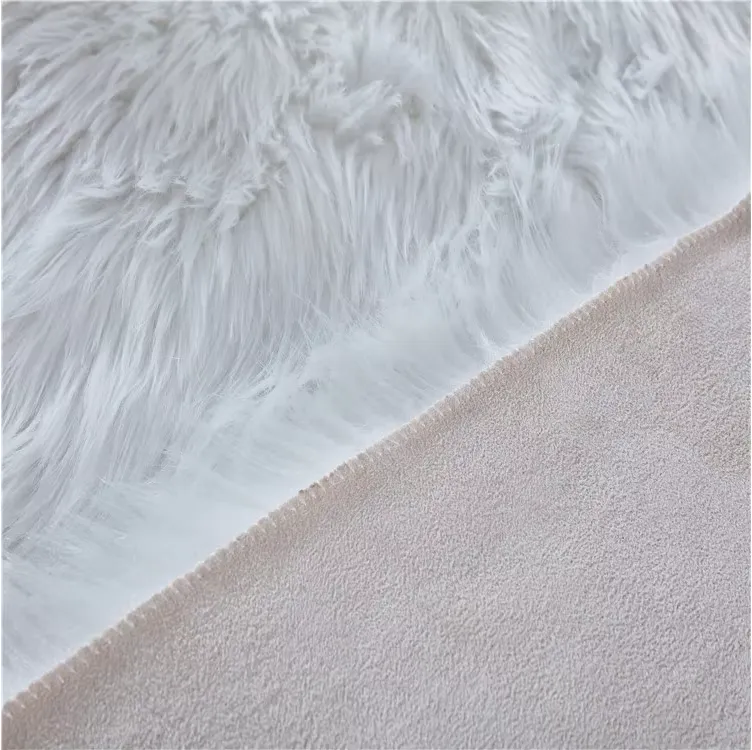
Faux fur sheepskin area rugs represent a significant advancement in interior textile engineering, providing a cost-effective and ethically sourced alternative to genuine sheepskin. Positioned within the broader floor covering industry, these rugs function as both decorative elements and tactile comfort surfaces. Their construction relies on the replication of the natural pile and density of sheep fleece using synthetic fibers, primarily acrylic and polyester. Core performance characteristics center around thermal insulation, softness, aesthetic appeal, and durability against standard residential traffic. The increasing demand is driven by a growing preference for animal-friendly products and advancements in fiber technology allowing for increasingly realistic textures and enhanced performance metrics.
Material Science & Manufacturing
The primary raw materials in faux fur sheepskin rug manufacturing are acrylic, polyester, and polypropylene fibers, alongside a backing material typically consisting of jute, felt, or latex. Acrylic fibers offer a superior hand-feel, closely mimicking the softness of natural sheepskin, but exhibit lower resilience. Polyester provides greater durability and resistance to crushing, making it ideal for high-traffic areas, though the texture can be less convincing. Polypropylene is a cost-effective option but is more susceptible to matting. The manufacturing process begins with fiber extrusion, where molten polymer is forced through spinnerets to create filaments. These filaments are then crimped, cut to the desired length (typically 30-50mm to replicate sheep fleece), and dyed using solution dyeing or piece dyeing techniques. The pile is then embedded into a backing material, commonly through tufting or needle punching. Tufting involves inserting loops of fiber into a primary backing, followed by a secondary backing application for added stability and comfort. Needle punching interlocks fibers mechanically, creating a dense, durable pile. Critical parameters during manufacturing include fiber denier (influencing softness), pile height (determining plushness), pile density (impacting durability and warmth), and the quality of the backing material (affecting dimensional stability and slip resistance). Quality control focuses on pile uniformity, colorfastness, and adherence to flammability standards.
Performance & Engineering
Performance evaluation of faux fur sheepskin rugs necessitates analysis of several key engineering properties. Thermal resistance (R-value) is crucial, typically ranging from 0.8 to 1.5, dependent on pile height and density. This impacts the rug's ability to insulate flooring and contribute to energy efficiency. Compressive strength and resilience are assessed using standardized indentation tests to determine the rug's ability to withstand foot traffic and recover from compression. Wear resistance is evaluated via abrasion testing (Taber abrasion) to quantify fiber loss and pile degradation over time. Slip resistance, essential for safety, is measured using a ramp incline test, ensuring a coefficient of friction exceeding 0.7. Environmental resistance includes assessment of colorfastness to light (exposure testing per AATCC 16E), resistance to water absorption (critical for preventing mildew growth), and flammability testing (meeting requirements of NFPA 701). Compliance requirements vary by region but generally include adherence to California Proposition 65 regarding phthalates and lead content, and REACH regulations concerning restricted substances. Force analysis during manufacturing and use considers the tensile strength of the fibers and the shear forces acting on the pile, ensuring structural integrity and preventing delamination.
Technical Specifications
| Fiber Composition | Pile Height (mm) | Pile Density (oz/sq yd) | Backing Material |
|---|---|---|---|
| 100% Polyester | 30-40 | 800-1200 | Jute with Latex Coating |
| 80% Acrylic, 20% Polyester | 50-60 | 1200-1800 | Felt |
| 100% Polypropylene | 20-30 | 600-800 | PVC |
| 70% Acrylic, 30% Polyester | 40-50 | 1000-1500 | Jute with TPR backing |
| 90% Polyester, 10% Nylon | 35-45 | 900-1300 | Recycled Felt |
| 100% Acrylic | 60-70 | 1500-2000 | Latex |
Failure Mode & Maintenance
Common failure modes in faux fur sheepskin rugs include fiber shedding, pile matting, delamination of the backing, and discoloration. Fiber shedding is primarily attributed to low-quality fibers or inadequate tufting. Pile matting results from repeated compression, reducing the loft and aesthetic appeal. Delamination occurs when the adhesive bond between the pile and backing fails, often due to moisture exposure or substandard adhesive. Discoloration can be caused by UV exposure or staining from spills. Fatigue cracking in the backing material can occur with prolonged use, especially in areas with concentrated foot traffic. Maintenance protocols should include regular vacuuming (using a suction-only nozzle to avoid snagging fibers), spot cleaning with a mild detergent and water, and avoidance of harsh chemicals or abrasive cleaners. Professional cleaning is recommended annually. Preventative measures include rotating the rug to distribute wear evenly, using rug pads to provide cushioning and prevent slippage, and protecting the rug from direct sunlight. In cases of significant delamination, re-gluing the pile to the backing with a suitable latex adhesive may be possible, but the repair will likely be visible. Oxidation of the fibers, especially acrylic, can occur over long periods, leading to brittleness and color fading.
Industry FAQ
Q: What is the difference between acrylic and polyester faux fur, and which is more durable?
A: Acrylic fibers generally offer a softer hand-feel, more closely resembling natural sheepskin. However, polyester is significantly more durable, exhibiting better resilience, crush resistance, and resistance to abrasion. For high-traffic areas, polyester is the preferred choice, despite the potentially slightly less luxurious texture. Acrylic is more prone to matting and fiber shedding under heavy use.
Q: How does the backing material affect the performance of the rug?
A: The backing material is crucial for dimensional stability, slip resistance, and overall durability. Jute provides a natural and relatively inexpensive option, but can be susceptible to moisture damage. Felt offers good cushioning and is relatively stable, but may not be as durable as latex. Latex provides a strong bond and excellent slip resistance, but can degrade over time and may contain allergens. TPR backings are a synthetic alternative offering durability and stability.
Q: What flammability standards apply to faux fur sheepskin rugs?
A: Faux fur rugs must meet specific flammability requirements depending on the region. In the US, NFPA 701 is a common standard for testing and classifying the flammability of textiles. European standards include EN 13501-1. Rugs should be labeled with their flammability rating.
Q: How can I prevent the pile from matting and losing its loft?
A: Regular vacuuming with a suction-only nozzle is the most effective preventative measure. Avoid using beater bars, as they can damage the fibers. Rotate the rug periodically to distribute wear evenly. Using a rug pad provides cushioning and helps to prevent compression. Avoid placing heavy furniture directly on the rug for extended periods.
Q: Are faux fur rugs suitable for individuals with allergies?
A: Faux fur rugs are generally more hypoallergenic than natural sheepskin, as they do not contain lanolin, a common allergen. However, the fibers themselves can still trap dust and allergens, so regular cleaning is essential. Consider choosing rugs with hypoallergenic backing materials, such as recycled felt or latex-free options.
Conclusion
Faux fur sheepskin area rugs represent a sophisticated balance of aesthetic appeal, functional performance, and ethical sourcing. Their manufacturing process, while seemingly simple, relies on precise control of material properties and production parameters to achieve the desired softness, durability, and thermal characteristics. Understanding the nuances of fiber composition, pile construction, and backing materials is essential for selecting a rug that meets specific application requirements.
Continued innovation in synthetic fiber technology, coupled with advancements in manufacturing techniques, will likely lead to further improvements in the performance and sustainability of these products. Future developments may focus on utilizing recycled materials, enhancing flame retardancy, and creating more realistic textures that closely mimic the natural properties of sheepskin. The ongoing demand for animal-friendly alternatives ensures a continued market for these engineered textile solutions.