


faux fur sheepskin throw Technical Analysis

Introduction
Faux fur sheepskin throws represent a significant advancement in textile engineering, providing a cost-effective and ethically sourced alternative to natural sheepskin. These throws occupy a niche within the broader home textiles industry, positioned between decorative blankets and functional area rugs. Their core performance characteristics center around thermal insulation, tactile comfort, and aesthetic appeal. This guide provides an in-depth technical analysis of faux fur sheepskin throws, covering material composition, manufacturing processes, performance metrics, potential failure modes, and relevant industry standards. The escalating demand for vegan and cruelty-free products has propelled the growth of this sector, necessitating a comprehensive understanding of the technical aspects to ensure quality control and product durability. A primary industry pain point revolves around replicating the nuanced feel and longevity of genuine sheepskin while maintaining affordability and addressing concerns regarding fiber shedding and flammability.
Material Science & Manufacturing
The primary material component of faux fur sheepskin throws is typically a blend of polyester microfibers, often utilizing Polyethylene Terephthalate (PET) or Polypropylene (PP). PET offers superior durability and resilience, while PP provides a softer, more flexible texture. The density of the fiber pile, measured in grams per square meter (gsm), directly impacts the perceived quality and thermal performance. Manufacturing begins with the creation of a woven or knitted base fabric, often polyester or cotton, providing structural integrity. This base is then ‘needled’ with the microfibers, a process involving repeatedly driving the fibers into the base fabric using barbed needles. Critical parameters in this stage include needle gauge, penetration depth, and fiber density. Higher gauge needles and deeper penetration create a denser, more secure pile. Following needling, the fabric undergoes a brushing and shearing process to achieve the desired pile length and texture, mimicking the appearance of natural sheepskin. Chemical treatments, such as anti-pilling agents and flame retardants, are often applied to enhance performance and meet safety regulations. The choice of dye plays a crucial role in colorfastness and resistance to UV degradation. Disperse dyes are commonly used for polyester fibers, while reactive dyes are employed for cotton bases. Ensuring proper dye fixation is paramount to prevent bleeding and fading during washing. Pile height typically ranges from 20mm to 60mm depending on the desired aesthetic and comfort level. The backing material is also crucial, frequently utilizing a non-woven fabric composed of polypropylene for added stability and grip.
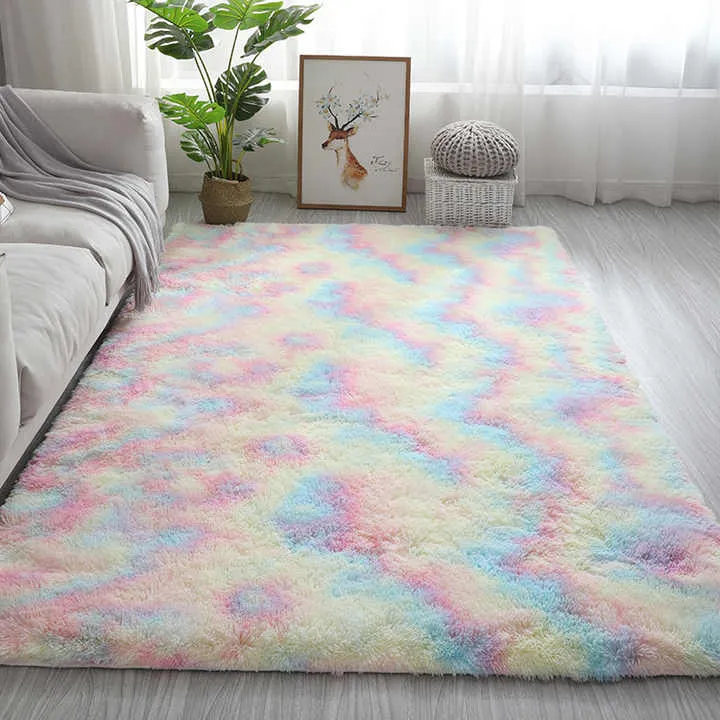
Performance & Engineering
The performance of faux fur sheepskin throws is fundamentally governed by its thermal insulation properties, determined by the air entrapment within the fiber pile. The Clo value, a unit of thermal resistance, is a key metric, typically ranging from 1.0 to 2.5 for these throws. Force analysis reveals that the weight distribution is relatively uniform, though localized stress concentrations can occur around seams and edges. The tensile strength of the base fabric and the pile adhesion strength are critical for resisting tearing and fiber loss. Environmental resistance is primarily assessed through tests for colorfastness to light, washing, and abrasion. Exposure to UV radiation can cause fiber degradation and color fading, necessitating the use of UV stabilizers in the fiber formulation. Compliance requirements, particularly regarding flammability, are stringent. Most jurisdictions require faux fur throws to meet standards such as California Technical Bulletin 117 or similar fire safety regulations. This often involves treatment with flame retardants, although concerns regarding the environmental impact of some chemicals are driving research into alternative, inherently flame-resistant fiber compositions. The moisture vapor transmission rate (MVTR) is relatively low, contributing to a feeling of warmth but also potentially leading to condensation if used in humid environments. Static electricity buildup is another consideration, often mitigated through the use of anti-static treatments. The pile density impacts the ‘bounce-back’ or recovery of the fibers after compression, affecting the overall feel and longevity of the throw. Durability is directly correlated with the quality of the fiber, the integrity of the base fabric, and the effectiveness of the pile anchoring process.
Technical Specifications
| Parameter | Unit | Typical Range | Test Method |
|---|---|---|---|
| Pile Height | mm | 20-60 | ASTM D3654 |
| Pile Density | gsm | 200-600 | EDANA 114.1 |
| Tensile Strength (Base Fabric) | N/5cm | 50-200 | ISO 13934-1 |
| Colorfastness to Light | Grade (1-5) | 4-5 | ISO 105-B02 |
| Flammability (Ignition Time) | seconds | <2 | California TB 117 |
| Moisture Vapor Transmission Rate (MVTR) | g/m²/24h | <500 | ASTM E96 |
Failure Mode & Maintenance
Common failure modes in faux fur sheepskin throws include fiber shedding, pile matting, color fading, and seam separation. Fiber shedding occurs due to incomplete anchoring of the microfibers during manufacturing or mechanical abrasion during use. Pile matting results from the collapse of the fiber structure under sustained compression, reducing loft and thermal insulation. Color fading is primarily caused by UV degradation, particularly with lower-quality dyes. Seam separation arises from stress concentrations at the seams and inadequate stitching. Oxidation of the polyester fibers can occur over extended periods, leading to brittleness and discoloration. Failure analysis often reveals that a combination of factors contributes to premature failure. Maintenance recommendations include regular vacuuming with a brush attachment to remove dust and debris, avoiding harsh detergents or bleach during washing, and air-drying to prevent thermal damage. Professional cleaning may be necessary for stubborn stains or significant pile matting. To mitigate fiber shedding, consumers should avoid excessive friction and abrasion. To extend the lifespan of the throw, it is recommended to store it in a cool, dark, and dry environment when not in use. Addressing seam separation promptly with reinforcement stitching can prevent further unraveling. Routine inspection for loose fibers and prompt removal will also minimize shedding and maintain aesthetic appeal.
Industry FAQ
Q: What differentiates a high-quality faux fur sheepskin throw from a lower-priced alternative?
A: The primary differentiators are fiber denier (finer fibers generally feel softer and more realistic), pile density (gsm), base fabric strength, and dye quality. High-quality throws utilize finer denier polyester microfibers, have a higher pile density for improved warmth and texture, employ a robust base fabric for durability, and utilize colorfast dyes to resist fading. Furthermore, superior manufacturing processes, including meticulous needling and shearing, contribute to a more luxurious and long-lasting product.
Q: How does the flammability of faux fur sheepskin compare to natural sheepskin, and what treatments are common?
A: Faux fur, being synthetic, is generally more flammable than natural sheepskin, which contains lanolin that provides some inherent fire resistance. Therefore, faux fur throws typically require flame retardant treatments to meet safety standards. Common treatments include chemical applications that interfere with the combustion process. However, there's a growing trend toward inherently flame-resistant polyester fibers to avoid the use of potentially harmful chemicals.
Q: What is the expected lifespan of a faux fur sheepskin throw with typical household use?
A: The expected lifespan varies depending on the quality of materials and frequency of use, but a well-constructed faux fur sheepskin throw should last between 3-7 years with proper care. Factors that shorten lifespan include excessive washing, exposure to direct sunlight, and heavy abrasion.
Q: How can I minimize fiber shedding in a new faux fur sheepskin throw?
A: Initial fiber shedding is normal, especially in higher-pile throws. Regular vacuuming with a brush attachment is essential. Avoid using a beater bar vacuum, as this can exacerbate shedding. Gentle hand washing or spot cleaning is preferable to machine washing, and avoid using fabric softener. Tumble drying on a low heat setting can help to loosen and remove loose fibers.
Q: What are the environmental considerations associated with faux fur sheepskin throws?
A: The primary environmental concern is the use of petroleum-based polyester fibers. However, the production of faux fur generally has a lower environmental impact than raising sheep for natural sheepskin, which requires significant land use and contributes to greenhouse gas emissions. The increasing availability of recycled polyester fibers offers a more sustainable alternative. Additionally, the chemical treatments used for flame retardancy and anti-pilling require careful consideration regarding their environmental impact and disposal.
Conclusion
Faux fur sheepskin throws represent a sophisticated application of textile engineering, successfully mimicking the aesthetic and tactile qualities of natural sheepskin while offering a more accessible and ethically sourced alternative. Understanding the nuances of material selection, manufacturing processes, and performance characteristics is crucial for ensuring product quality and durability. The ongoing challenges within the industry center around enhancing flame retardancy, minimizing fiber shedding, and improving the sustainability of materials.
Future developments are likely to focus on incorporating bio-based polymers into fiber formulations, refining needling techniques to improve pile adhesion, and developing innovative surface treatments to enhance stain resistance and UV protection. Addressing consumer concerns regarding environmental impact and safety will be paramount to the continued growth and acceptance of faux fur sheepskin throws within the home textiles market.