

faux fur white fluffy rug Performance Analysis
Introduction
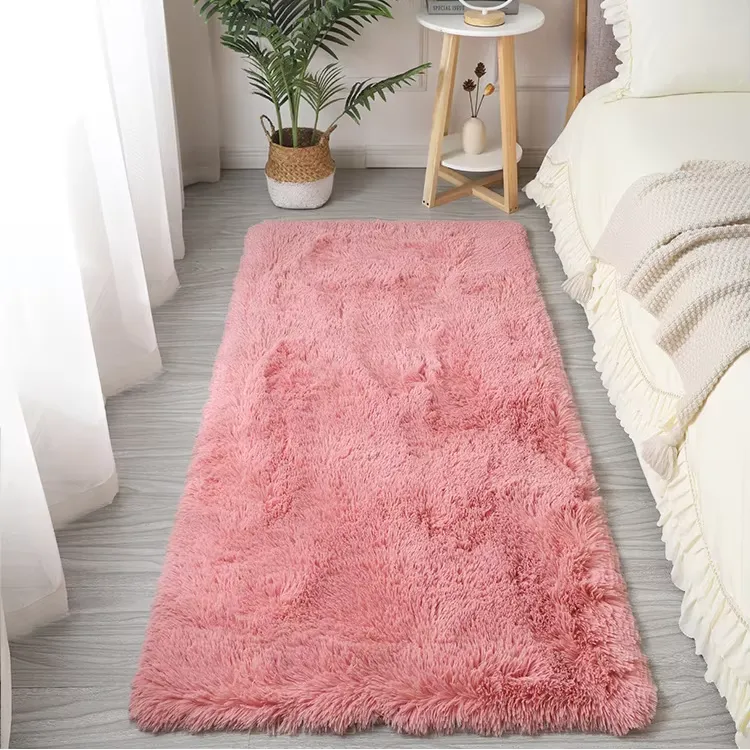
Faux fur white fluffy rugs represent a significant segment within the broader floor covering market, offering a cost-effective and ethically sourced alternative to genuine animal fur. Positioned between traditional textiles and specialized synthetic flooring, these rugs primarily function as decorative elements, providing warmth and tactile comfort. The core performance characteristics revolve around perceived softness, aesthetic appeal, and ease of maintenance. However, understanding the material composition, manufacturing processes, and potential degradation pathways is critical for informed procurement and long-term performance evaluation. This guide provides an in-depth technical analysis of faux fur white fluffy rugs, covering material science, manufacturing, performance, failure modes, and relevant industry standards.
Material Science & Manufacturing
The majority of faux fur rugs utilize a two-component system: a backing material and the pile fibers. Backing materials commonly consist of Polypropylene (PP), Polyester (PET), or a blend of both. PP offers cost-effectiveness and good resistance to moisture, while PET provides superior strength and resilience. The pile fibers are typically constructed from acrylic or modacrylic polymers. Acrylic offers a closer resemblance to natural fur due to its inherent bulk and ability to accept dyes, resulting in a more visually appealing product. Modacrylic fibers improve flame retardancy and reduce static build-up.
Manufacturing involves several key processes. Firstly, the backing material is often produced through needle-punching or thermal bonding of fibers to create a stable substrate. Secondly, the pile fibers are tufted or woven into the backing. Tufting, the more prevalent method for fluffy rugs, involves inserting fibers through the backing with needles, followed by latex adhesion to secure them. Woven faux fur rugs, though less common, offer greater durability and definition. Key parameters during tufting include fiber density (measured in stitches per square inch), pile height (ranging from 20mm to 80mm), and yarn denier (affecting fiber thickness and softness). Latex adhesion requires precise temperature and chemical control to ensure adequate bonding without fiber distortion or discoloration. Post-tufting processes include shearing to achieve desired pile length and density, and dyeing or printing to obtain the desired color and pattern. The quality of the dye bath and fixation process directly impacts colorfastness and resistance to fading.
Performance & Engineering
The performance of a faux fur white fluffy rug is dictated by several engineering considerations. Compressive strength is crucial for maintaining pile loft and resisting matting under foot traffic. This is directly correlated with fiber denier and backing material density. Tensile strength, measured across both the pile and backing, determines resistance to tearing and delamination. Environmental resistance, specifically to UV exposure and moisture, is a key concern. Acrylic fibers are susceptible to degradation from prolonged UV exposure, leading to color fading and fiber embrittlement. Moisture absorption, while relatively low for the synthetic materials used, can promote microbial growth within the backing if not properly ventilated.
Compliance requirements depend on the intended market. In the US, the Federal Flammability Standard (16 CFR 1610) mandates that rugs meet specific fire resistance criteria. In Europe, EN 13501-1 classifies building materials based on their fire performance. Furthermore, chemical safety is paramount, with regulations such as REACH (Registration, Evaluation, Authorisation and Restriction of Chemicals) restricting the use of harmful substances in textile production. Pile height and density contribute significantly to the rug’s thermal insulation properties, impacting its ability to retain heat. Load-bearing capacity and creep resistance are also important considerations, particularly for high-traffic areas, where prolonged compression can lead to permanent deformation.
Technical Specifications
| Parameter | Unit | Typical Value (Low End) | Typical Value (High End) |
|---|---|---|---|
| Pile Fiber Material | - | Acrylic | Modacrylic |
| Backing Material | - | Polypropylene (PP) | Polyester (PET) |
| Pile Height | mm | 20 | 80 |
| Fiber Density | stitches/in² | 100 | 300 |
| Yarn Denier | dtex | 150 | 600 |
| Tensile Strength (Pile) | N/cm | 5 | 15 |
| Tensile Strength (Backing) | N/cm | 10 | 30 |
Failure Mode & Maintenance
Faux fur rugs are susceptible to several failure modes. Pile shedding is a common occurrence, especially during initial use, resulting from loose fibers and manufacturing debris. This doesn't necessarily indicate a defect but is inherent to the tufting process. Matting, or compression of the pile, occurs under sustained pressure, reducing the rug’s fluffiness and aesthetic appeal. This is exacerbated by low fiber density and backing material lacking sufficient resilience. Delamination, the separation of the pile from the backing, is a more serious failure, often caused by inadequate latex adhesion or mechanical stress. UV degradation causes color fading and fiber embrittlement, particularly in acrylic fibers. Staining from spills can be problematic if not addressed promptly, as the synthetic fibers can absorb certain liquids. Microbial growth within the backing can occur in humid environments, leading to odor and potential material decay.
Maintenance recommendations include regular vacuuming to remove loose debris and prevent matting. Spot cleaning with a mild detergent and water is recommended for spills. Avoid harsh chemicals or abrasive cleaners, which can damage the fibers. Professional cleaning is advisable for deep cleaning and stain removal. Rotating the rug periodically helps to distribute wear evenly. Storing the rug in a cool, dry place when not in use minimizes the risk of mold and mildew growth. Protecting the rug from direct sunlight reduces the rate of UV degradation. Avoid prolonged exposure to high temperatures, as this can soften the latex adhesive and contribute to delamination.
Industry FAQ
Q: What is the primary difference between acrylic and modacrylic pile fibers in terms of performance?
A: Acrylic provides a softer, more natural-looking feel, and generally exhibits better dye uptake for vibrant colors. However, modacrylic offers significantly improved flame retardancy and reduced static build-up, making it a safer and more comfortable option, especially in environments with children or sensitive electronics. Modacrylic typically has a slightly higher cost.
Q: How does the backing material impact the overall durability of the rug?
A: The backing material provides structural support and resists delamination. Polyester backings generally offer superior tensile strength and resilience compared to polypropylene, resulting in a more durable rug. However, polypropylene is more cost-effective and provides adequate performance for low-traffic areas.
Q: What testing methods are used to assess the colorfastness of faux fur rugs?
A: Colorfastness is typically assessed using standardized tests such as AATCC 16 (Colorfastness to Light) and AATCC 15 (Colorfastness to Washing). These tests expose the rug to controlled conditions of light and washing, respectively, and quantify the degree of color change or dye transfer.
Q: Is there a significant difference in maintenance requirements between tufted and woven faux fur rugs?
A: Tufted rugs, due to their construction, are more prone to shedding and require more frequent vacuuming. Woven rugs are generally more durable and less likely to shed, simplifying maintenance. However, woven rugs may be more challenging to clean if heavily soiled.
Q: What are the key considerations for selecting a faux fur rug for a high-traffic area?
A: For high-traffic areas, prioritize rugs with a high fiber density (above 200 stitches/in²), a robust polyester backing, and a lower pile height (20-40mm) to minimize matting. Consider modacrylic fibers for increased durability and stain resistance. Regular cleaning and rotation are crucial to extend the rug’s lifespan.
Conclusion
Faux fur white fluffy rugs offer a viable and aesthetically pleasing alternative to natural fur, serving primarily as decorative floor coverings. Their performance is inherently linked to material selection – acrylic or modacrylic for the pile, and polypropylene or polyester for the backing – and the precision of the manufacturing process, particularly latex adhesion and fiber density control. Understanding potential failure modes, such as pile shedding, matting, and UV degradation, is critical for proper maintenance and maximizing product longevity.
The industry continues to innovate with new fiber technologies and backing materials to enhance durability, flame retardancy, and environmental sustainability. Future developments may focus on incorporating recycled materials and reducing the use of volatile organic compounds (VOCs) in the manufacturing process. Selecting a rug based on intended use, traffic levels, and environmental conditions is crucial for ensuring optimal performance and long-term satisfaction.