

faux fur white table runner Performance Analysis
Introduction
Faux fur white table runners represent a decorative textile element utilized primarily in the hospitality and domestic sectors. Positioned within the broader textile industry, specifically the home furnishings segment, these runners serve an aesthetic function, enhancing table presentation and contributing to overall interior décor. Their technical significance lies in the balance between simulated fur aesthetics, material durability, and ease of maintenance, differentiating them from natural fur alternatives. Core performance characteristics include visual texture replication, resistance to shedding, colorfastness, and washability. Understanding the manufacturing processes and material composition is crucial for assessing long-term performance and suitability for intended applications.
Material Science & Manufacturing
The primary material in faux fur white table runners is typically a synthetic fiber, most commonly polypropylene or acrylic. Polypropylene offers a cost-effective solution with good resilience and inherent water resistance. Acrylic, while more expensive, provides a softer hand feel and closer resemblance to natural fur. Manufacturing begins with polymer extrusion, forming filaments with varying deniers (fiber thickness). These filaments are then processed through a fiberizing stage, cutting them to desired lengths – typically between 30mm and 50mm for a standard faux fur pile. The crucial step involves tufting or knitting. Tufting involves inserting the fibers into a backing material (usually a polyester or polypropylene woven fabric) using needles, creating the pile. Knitting creates loops of yarn that are subsequently cut to generate the fur-like texture. Following this, dyeing is performed, often using solution dyeing, which imparts color throughout the fiber, enhancing colorfastness. A final finishing process includes brushing and shearing to achieve the desired pile height, density, and aesthetic appeal. Parameter control focuses on denier consistency, dye penetration depth, tuft density, and backing fabric tensile strength. Improper control can lead to uneven pile, color variations, and premature wear. The backing material’s weight and weave structure directly impact the runner’s dimensional stability and resistance to stretching.
Performance & Engineering
The performance of a faux fur white table runner is largely dictated by the structural integrity of its pile and backing, and its resistance to environmental factors. Force analysis centers on tensile strength – both of the individual fibers and the overall fabric construct. The backing fabric must withstand the constant pull of the tufted fibers. Shear resistance is also critical, preventing the pile from distorting or matting under use. Environmental resistance focuses on UV stability (to prevent fading), resistance to staining from common food and beverage spills, and flammability. Acrylic fibers generally exhibit better UV resistance than polypropylene. Flammability is addressed through the application of flame-retardant finishes, adhering to specific industry standards. Compliance requirements vary by region, encompassing regulations related to chemical content (e.g., restrictions on phthalates or azo dyes) and flammability (e.g., California Proposition 65). The pile height and density contribute significantly to thermal insulation properties, offering a degree of protection to the table surface. Abrasion resistance, measured using methods like the Taber Abraser, dictates the runner’s durability under repeated use and cleaning.
Technical Specifications
| Parameter | Unit | Typical Value (Range) | Test Method |
|---|---|---|---|
| Pile Fiber Material | - | Polypropylene/Acrylic | Visual Inspection/FTIR Spectroscopy |
| Pile Height | mm | 30-50 | Ruler Measurement |
| Pile Density | fibers/cm² | 800-1500 | Microscopic Count |
| Backing Fabric Material | - | Polyester/Polypropylene | Visual Inspection |
| Backing Fabric Weight | g/m² | 120-200 | Weight Measurement |
| Tensile Strength (Backing) | N/5cm | >200 (Warp & Weft) | ASTM D5035 |
Failure Mode & Maintenance
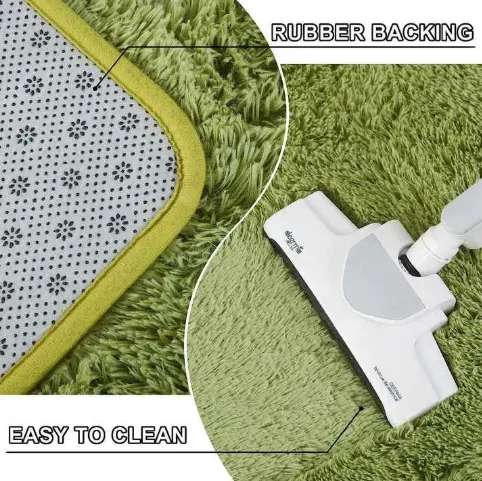
Common failure modes for faux fur white table runners include pile shedding, matting, color fading, and staining. Pile shedding occurs due to fiber breakage at the tuft base, exacerbated by abrasion and repeated use. Matting results from the deformation of fibers under compression, reducing the pile's loft and aesthetic appeal. Color fading is primarily caused by prolonged UV exposure, particularly with polypropylene fibers. Staining can occur from spills, especially oil-based substances. Oxidation of the fibers, though slower, can lead to brittleness and reduced durability. Maintenance is crucial for extending the product lifespan. Regular vacuuming with a low-suction attachment minimizes pile matting and removes loose debris. Spot cleaning with a mild detergent and water is recommended for spills, avoiding harsh chemicals or abrasive cleaners. Machine washing is generally permissible, but requires a gentle cycle and low temperature, and air drying is preferred to prevent fiber damage. Avoid prolonged direct sunlight exposure. Repairing significant shedding or matting is generally not feasible; replacement is typically the most practical solution. Proper storage, away from direct sunlight and moisture, is also essential.
Industry FAQ
Q: What is the primary difference in performance between polypropylene and acrylic faux fur table runners?
A: Acrylic faux fur generally exhibits a softer hand feel, better drape, and superior UV resistance compared to polypropylene. However, polypropylene is more cost-effective, inherently water-resistant, and often more resilient to crushing. The choice depends on the prioritized performance characteristic – aesthetics and longevity versus cost and practicality.
Q: How does the backing fabric influence the overall durability of the runner?
A: The backing fabric provides structural support, preventing stretching and maintaining the pile’s integrity. Higher-weight backings with tighter weaves offer greater tensile strength and dimensional stability. A weak backing will lead to premature pile loosening and fabric distortion.
Q: What flammability standards are typically relevant for faux fur table runners?
A: Depending on the intended market, relevant flammability standards may include California Proposition 65 (for formaldehyde emissions), and general textile flammability standards like 16 CFR Part 1610. Flame retardant finishes are often applied to meet these requirements.
Q: How can colorfastness be evaluated and what factors affect it?
A: Colorfastness is typically evaluated using the AATCC 16E test method (colorfastness to light). Factors affecting colorfastness include the dye type used, the fiber composition (acrylic generally performs better), and the level of UV exposure. Solution dyeing provides the best colorfastness.
Q: What is the expected lifespan of a typical faux fur white table runner with moderate use?
A: With proper care and maintenance, a faux fur white table runner can be expected to last between 2-5 years. Lifespan is influenced by frequency of use, cleaning methods, and exposure to environmental factors such as sunlight and abrasion.
Conclusion
Faux fur white table runners offer a practical and aesthetically pleasing alternative to natural fur, representing a balance of cost, durability, and ease of care. Understanding the material science – specifically the properties of polypropylene and acrylic – and manufacturing processes – tufting, knitting, and dyeing – is fundamental to assessing product quality and predicting long-term performance. Key considerations include pile density, backing fabric strength, and resistance to UV degradation and staining.
Ongoing advancements in fiber technology and dyeing techniques are focused on improving the realism, softness, and longevity of faux fur products. Future developments may include bio-based synthetic fibers offering increased sustainability and enhanced performance characteristics. Proper maintenance, including regular cleaning and protection from prolonged sunlight, remains critical for maximizing the service life of these decorative textile elements.