

Faux Lambskin Performance Analysis
Introduction
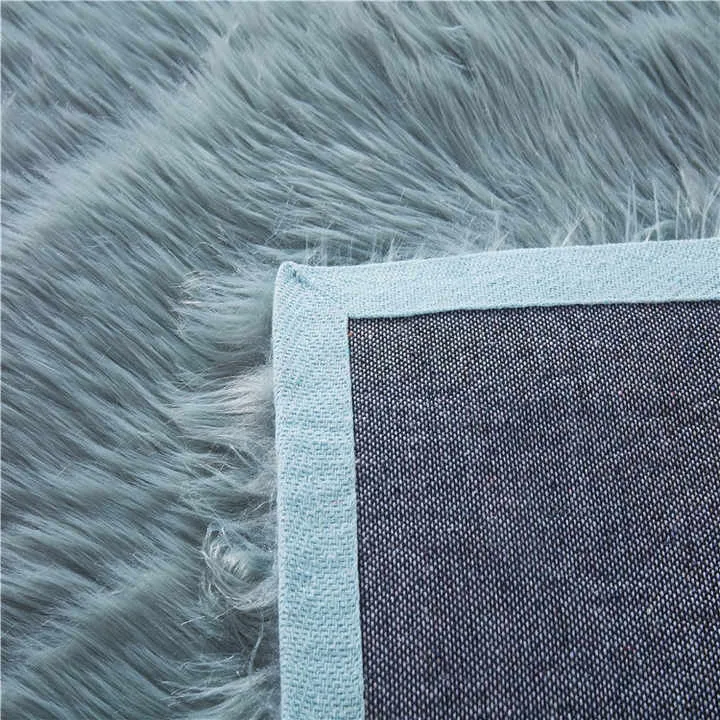
Faux lambskin, also known as artificial lambskin or synthetic lambskin, is a textile engineered to replicate the tactile properties and aesthetic appearance of genuine lambskin. Positioned within the broader synthetic leather and textile industry, it serves as a cruelty-free and often more cost-effective alternative in applications spanning apparel, upholstery, automotive interiors, and specialized protective gear. Its core performance characteristics revolve around simulating the softness, warmth, and drape of natural lambskin while offering improved durability, stain resistance, and ease of maintenance. Unlike natural leather processing, faux lambskin production does not involve animal husbandry or tanning processes, making it a viable material for environmentally conscious manufacturers and consumers. The critical parameters defining its quality include fiber composition, pile height, basis weight, and the efficacy of the coating process used to achieve the desired hand-feel and appearance. Its increasing prevalence is driven by both ethical concerns surrounding animal welfare and advancements in polymer chemistry enabling increasingly realistic simulations of natural materials.
Material Science & Manufacturing
The foundation of faux lambskin lies in its base fabric and the subsequent application of fiber and coating technologies. Common base fabrics include woven or non-woven polyester, nylon, or polypropylene. Polyester offers excellent strength and abrasion resistance, while nylon provides superior elasticity. Polypropylene is favored for its lower cost and moisture resistance. The critical physical property of the base fabric is its porosity, influencing the penetration and adhesion of the subsequent coating. The ‘pile’ – the raised fibers mimicking lamb’s wool – is typically created using microfibers of acrylic, modacrylic, or a blend of these polymers. Acrylic provides a softer feel and better dyeability, while modacrylic offers inherent flame resistance. The fiber denier (fineness) significantly impacts the final product’s softness and realism.
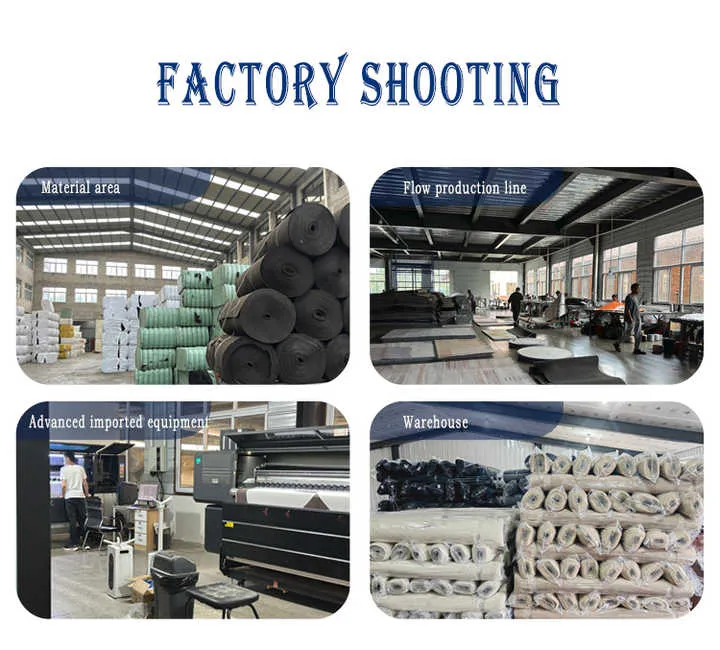
Manufacturing processes vary, but generally involve: 1) Base fabric preparation, including cleaning and pre-treatment to enhance coating adhesion. 2) Pile formation: This can be achieved through needling, flocking, or weaving. Needling involves mechanically interlocking fibers into the base fabric. Flocking utilizes electrostatic attraction to deposit fibers onto an adhesive-coated substrate. Weaving creates a more durable and defined pile structure. 3) Coating: This is the most critical step, employing polyurethane (PU) or polyvinyl chloride (PVC) resins. PU coatings offer superior flexibility, durability, and breathability compared to PVC, which is more rigid and less environmentally friendly. The coating is applied through knife coating, roller coating, or spray coating. Parameters like coating weight, curing temperature, and humidity are rigorously controlled to achieve the desired hand-feel, abrasion resistance, and colorfastness. 4) Finishing: This includes processes like brushing, sanding, and calendaring to refine the surface texture and enhance the aesthetic appearance. Dyeing or printing are also applied at this stage, utilizing water-based or solvent-based inks, depending on the fiber composition and desired color depth. Chemical compatibility of the dyes with the polymer fibers is paramount to avoid discoloration or degradation.
Performance & Engineering
The performance of faux lambskin is assessed through a range of mechanical and chemical tests. Tensile strength and tear resistance, measured using methods like ASTM D751 and ASTM D2261, determine the material’s ability to withstand stress and prevent propagation of rips or tears. Abrasion resistance, assessed using the Taber abrasion test (ASTM D3886), indicates the material’s durability and resistance to wear. Hydrostatic pressure resistance (ASTM D737) determines its water resistance, vital for applications like protective clothing. Flammability is a key concern, with testing conducted according to standards like FMVSS 302 (automotive applications) and NFPA 701 (upholstery). The chemical resistance of the coating is evaluated by exposing the material to various solvents, acids, and bases, assessing for discoloration, swelling, or degradation.
Engineering considerations focus on achieving a specific hand-feel and drape. Pile height and density influence the tactile sensation, while the flexibility of the base fabric and coating determine the drape characteristics. Finite Element Analysis (FEA) can be employed to model the material’s behavior under stress, optimizing fiber selection and coating formulation for specific applications. Environmental resistance, particularly UV degradation, is addressed through the incorporation of UV stabilizers into the coating formulation. Long-term exposure to sunlight can cause the polymer to break down, leading to discoloration and loss of mechanical properties. Breathability, although typically lower than natural lambskin, is improved through the use of microporous coatings or by perforating the base fabric. Compliance requirements vary depending on the end-use application, with regulations like REACH (Registration, Evaluation, Authorisation and Restriction of Chemicals) in Europe and CPSIA (Consumer Product Safety Improvement Act) in the US dictating permissible chemical content and safety standards.
Technical Specifications
| Parameter | Typical Value (Range) | Test Method | Units |
|---|---|---|---|
| Basis Weight | 150-300 | ASTM D643 | g/m² |
| Pile Height | 8-20 | Visual Inspection/Microscopy | mm |
| Tensile Strength (Warp) | 50-150 | ASTM D751 | N/5cm |
| Tensile Strength (Weft) | 40-120 | ASTM D751 | N/5cm |
| Tear Resistance (Warp) | 20-80 | ASTM D2261 | N |
| Tear Resistance (Weft) | 15-60 | ASTM D2261 | N |
Failure Mode & Maintenance
Faux lambskin, while durable, is susceptible to specific failure modes. Hydrolytic degradation of the PU coating is a common issue, especially in humid environments. This results in coating cracking, loss of flexibility, and eventual delamination. UV degradation, as previously mentioned, leads to discoloration and embrittlement. Abrasion wear, particularly in high-contact areas, causes gradual thinning of the pile and eventual exposure of the base fabric. Seam failure can occur due to stress concentration at stitching points, exacerbated by improper seam construction or low-quality thread. Finally, staining from oils, solvents, or dyes can permanently mar the appearance of the material if not addressed promptly.
Maintenance is crucial for extending the lifespan of faux lambskin. Regular vacuuming or gentle brushing removes dust and debris. Spot cleaning with a mild detergent and water is recommended for spills, avoiding harsh chemicals or abrasive cleaners. For stubborn stains, specialized faux leather cleaners may be necessary. Avoid prolonged exposure to direct sunlight and extreme temperatures. Storage should be in a cool, dry, and well-ventilated area, away from potential sources of ignition or chemical exposure. Preventative measures, such as applying a protective coating or sealant, can enhance resistance to staining and UV degradation. In case of significant damage, professional repair or replacement may be the most viable option. Regular inspection of seams and high-wear areas can identify potential failure points before they escalate into larger problems.
Industry FAQ
Q: What is the primary difference between PU and PVC coated faux lambskin regarding durability and cost?
A: PU-coated faux lambskin generally exhibits superior durability, flexibility, and abrasion resistance compared to PVC-coated alternatives. PU is less prone to cracking and retains its suppleness for a longer period. However, PVC is significantly less expensive to produce, making it a viable option for cost-sensitive applications where extreme durability isn’t paramount. The increased longevity of PU often justifies the higher initial cost, reducing the frequency of replacement.
Q: How does the denier of the microfiber used in the pile affect the final product’s hand-feel?
A: Lower denier microfibers (finer fibers) result in a softer, more luxurious hand-feel, closely mimicking the texture of natural lambskin. Higher denier fibers provide greater durability and abrasion resistance but can feel coarser to the touch. The optimal denier depends on the intended application; apparel typically utilizes lower denier fibers, while upholstery may benefit from slightly higher denier for increased wear resistance.
Q: What tests are critical for verifying the flammability performance of faux lambskin intended for automotive interiors?
A: For automotive applications, FMVSS 302 (Flammability of Interior Materials) is the primary regulation. This standard includes tests for horizontal burning rate, vertical burning rate, and smoke density. Meeting these requirements is non-negotiable for automotive manufacturers to ensure passenger safety in the event of a vehicle fire.
Q: How susceptible is faux lambskin to degradation from common cleaning agents?
A: Faux lambskin can be susceptible to damage from harsh cleaning agents, particularly those containing solvents or abrasive particles. Prolonged exposure to alcohol-based cleaners, bleach, or strong detergents can cause discoloration, cracking, or delamination of the coating. Mild soap and water are generally recommended, and specialized faux leather cleaners are available for more stubborn stains.
Q: What is the role of REACH and CPSIA compliance in the manufacturing of faux lambskin?
A: REACH (in Europe) and CPSIA (in the US) regulate the use of hazardous chemicals in manufactured goods. Faux lambskin manufacturers must ensure that their materials and processes comply with these regulations, limiting the presence of restricted substances like phthalates, heavy metals, and formaldehyde. Compliance requires rigorous testing and documentation to demonstrate adherence to the specified limits.
Conclusion
Faux lambskin represents a significant advancement in synthetic textile technology, offering a compelling alternative to natural lambskin across diverse applications. Its performance is intrinsically linked to the interplay between base fabric properties, fiber selection for the pile, and the sophistication of the coating process. Understanding the material’s inherent limitations, particularly regarding hydrolytic and UV degradation, is crucial for informed selection and preventative maintenance. Rigorous testing according to established industry standards, such as ASTM and FMVSS, ensures quality control and compliance with safety regulations.
Looking forward, ongoing research and development efforts are focused on enhancing the breathability, durability, and environmental sustainability of faux lambskin. Bio-based polymers and water-based coating technologies offer promising avenues for reducing the material’s environmental footprint. The development of more realistic textures and improved resistance to abrasion and staining will further broaden its applicability and solidify its position as a preferred material in various industries. Ultimately, the continued refinement of faux lambskin will hinge on a commitment to innovation and a deep understanding of the underlying material science principles.