


faux pelt rug Performance Analysis

Introduction
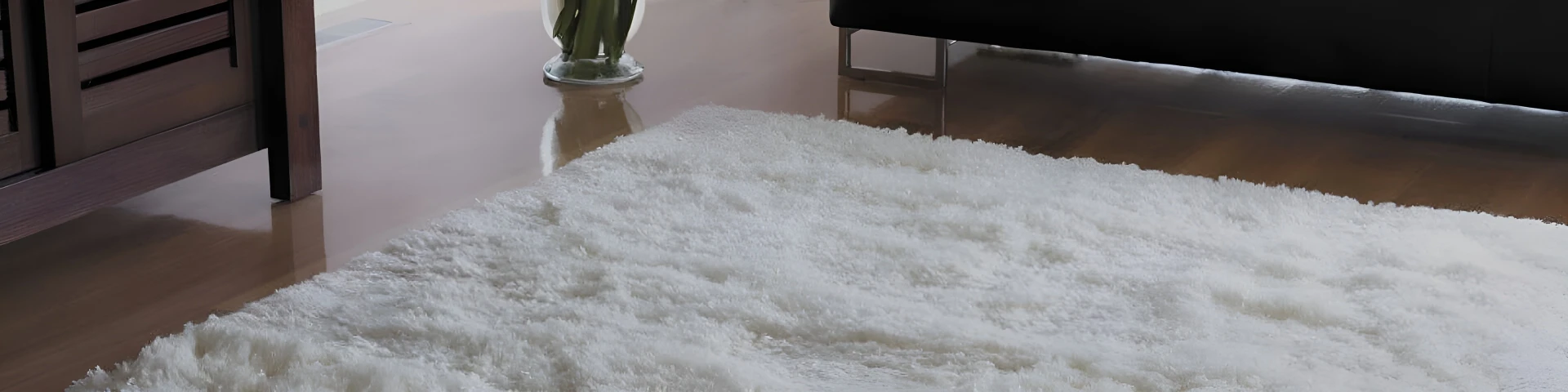
Faux pelt rugs, also known as artificial sheepskin rugs, represent a synthetic alternative to genuine animal hides, primarily utilized for decorative and comfort applications. Their position within the textile industry chain is as a finished good, heavily reliant on polymer science and textile manufacturing processes. The core performance characteristics center on replicating the aesthetic and tactile qualities of real fur – namely, softness, density, and warmth – while addressing ethical concerns and offering increased durability and ease of care. Critical performance metrics include pile height, fiber density, abrasion resistance, colorfastness, and flammability. The market demand is driven by interior design trends, consumer preference for animal-free products, and price point sensitivity. A key industry pain point lies in balancing aesthetic realism with performance longevity and minimizing environmental impact during production and end-of-life.
Material Science & Manufacturing
The primary raw materials for faux pelt rugs are synthetic polymers, predominantly acrylic, polyester, and polypropylene. Acrylic fibers offer a luxurious, wool-like texture and excellent dyeability, contributing significantly to aesthetic realism. Polyester provides superior durability, resilience, and resistance to fading, while polypropylene is valued for its cost-effectiveness and inherent stain resistance. Manufacturing typically involves several stages. First, the polymer is extruded into fibers. The fiber diameter significantly impacts the softness and density of the final product; finer fibers (denier) yield a softer, more realistic feel. These fibers are then mechanically tangled or bonded to a backing material—often a non-woven fabric composed of polypropylene or jute—using techniques such as needle punching, thermal bonding, or adhesive application. Needle punching interlocks the fibers, creating a dense, durable pile. Thermal bonding uses heat to fuse the fibers together. Pile height is controlled during the manufacturing process by adjusting the fiber feed rate and the speed of the backing material. Critical parameter control centers on maintaining consistent fiber density, uniform pile height, and secure bonding between the fibers and the backing. Dyeing occurs either before or after fiber bonding, utilizing reactive dyes for acrylic and disperse dyes for polyester, chosen for their colorfastness properties. Quality control focuses on pile density uniformity, color matching, and adherence to flammability standards.
Performance & Engineering
The performance of a faux pelt rug is dictated by its ability to withstand mechanical stress, environmental factors, and maintain aesthetic integrity. Force analysis considerations include compressive strength (resistance to flattening under weight), tensile strength (resistance to tearing), and shear strength (resistance to delamination between the pile and backing). Environmental resistance is primarily concerned with UV degradation, moisture absorption, and temperature fluctuations. Prolonged exposure to UV radiation can cause fiber discoloration and embrittlement, particularly in acrylic fibers. Moisture absorption can lead to mold growth and fiber degradation, impacting structural integrity. Performance specifications must adhere to flammability standards (such as those mandated by California Bulletin 94), assessing ignition resistance and flame spread. Engineering considerations include the selection of appropriate backing materials to enhance dimensional stability and prevent fraying. Pile density directly influences thermal insulation and acoustic absorption characteristics; higher density generally equates to improved performance in both areas. The type of bonding method impacts durability and resistance to shedding. Furthermore, the rug’s resilience (ability to recover its shape after compression) is a critical performance indicator tied to the fiber type and manufacturing process.
Technical Specifications
| Parameter | Acrylic Fiber | Polyester Fiber | Polypropylene Fiber | Typical Range |
|---|---|---|---|---|
| Fiber Denier (dtex) | 1.5 - 5 | 2 - 8 | 1 - 4 | 1.5 – 8 |
| Pile Height (mm) | 20 - 60 | 20 - 60 | 15 - 40 | 15 – 60 |
| Fiber Density (g/m²) | 400 - 1200 | 500 - 1500 | 300 - 800 | 300 - 1500 |
| Tensile Strength (N/cm²) | 40 - 70 | 60 - 90 | 30 - 50 | 30 – 90 |
| Colorfastness to Light (Gray Scale Rating) | 4 - 6 | 6 - 8 | 5 - 7 | 4 – 8 |
| Flammability (Flame Spread Index) | >200 | >200 | >200 | >200 (Compliant with CA Bulletin 94) |
Failure Mode & Maintenance
Faux pelt rugs are susceptible to several failure modes. Shedding is a common issue, resulting from fiber dislodgement during use, particularly during initial periods. This is often related to inadequate fiber bonding. Fiber matting and crushing occur under sustained pressure, reducing pile height and aesthetic appeal. UV degradation leads to fading and embrittlement, especially in acrylic fibers, causing color loss and reduced flexibility. Delamination, the separation of the pile from the backing, is a critical failure mode associated with poor adhesive bonding or degradation of the backing material. Staining from spills and dirt can also compromise appearance and hygiene. Maintenance recommendations include regular vacuuming to remove loose fibers and debris, spot cleaning with mild detergent and water, and avoiding prolonged exposure to direct sunlight. For delamination, professional re-bonding may be possible, though the long-term effectiveness is limited. Preventative measures include rotating the rug to distribute wear evenly and using rug pads to provide cushioning and reduce abrasion. Avoid harsh chemicals and abrasive cleaning tools, as these can damage the fibers and accelerate degradation.
Industry FAQ
Q: What is the primary difference in durability between acrylic and polyester faux pelt rugs?
A: Polyester generally exhibits superior durability and resilience compared to acrylic. While acrylic offers a softer, more luxurious feel, polyester resists abrasion, crushing, and fading more effectively. Polyester fibers maintain their shape better over time, minimizing matting and maintaining pile height for a longer duration. For high-traffic areas, polyester is the preferred choice.
Q: How does the backing material influence the performance of a faux pelt rug?
A: The backing material significantly impacts dimensional stability, durability, and anti-slip properties. Jute backings are more eco-friendly but prone to deterioration with moisture exposure. Polypropylene backings are more durable, water-resistant, and provide better structural support. Non-slip latex or TPR (Thermoplastic Rubber) coatings can be applied to the backing to enhance safety and prevent sliding.
Q: What are the key considerations for selecting a faux pelt rug for a room with high UV exposure?
A: For rooms with significant UV exposure, polyester is the recommended fiber type due to its inherent resistance to fading. Look for rugs specifically treated with UV stabilizers, which further enhance their colorfastness. Regularly rotating the rug can also help distribute UV exposure and minimize localized fading.
Q: How can I determine if a faux pelt rug meets flammability standards?
A: Verify that the rug complies with relevant flammability standards, such as California Bulletin 94. The manufacturer should provide documentation confirming compliance. Look for labels indicating that the rug has been tested and meets the required safety regulations. A Flame Spread Index greater than 200 typically indicates compliance.
Q: What is the environmental impact of faux pelt rug production and disposal?
A: The production of faux pelt rugs relies on petroleum-based polymers, contributing to the carbon footprint. However, it avoids the ethical concerns associated with animal hides. Recycling options for synthetic fibers are limited, and many end up in landfills. Increasingly, manufacturers are exploring recycled polyester options and bio-based polymers to reduce environmental impact. Proper disposal and exploring take-back programs can mitigate landfill waste.
Conclusion
Faux pelt rugs provide a viable and ethically sound alternative to genuine animal hides, offering a combination of aesthetic appeal, comfort, and durability. The selection of appropriate materials – acrylic, polyester, or polypropylene – and manufacturing processes significantly influences performance characteristics such as pile height, resilience, colorfastness, and resistance to wear. Understanding the failure modes associated with these products, and implementing preventative maintenance, is critical for maximizing their lifespan and maintaining their aesthetic qualities.
Future advancements in faux pelt rug technology are likely to focus on utilizing sustainable materials, enhancing fiber bonding techniques, and improving recycling infrastructure. The development of bio-based polymers and closed-loop recycling systems will be crucial for minimizing the environmental impact of this industry segment. Furthermore, innovations in fiber engineering will continue to drive improvements in softness, realism, and overall performance, bridging the gap between synthetic and natural fur products.