

faux rabbit fur rug 160 x 230 Performance Analysis

Introduction
The faux rabbit fur rug, specifically the 160 x 230 cm dimension, represents a significant segment within the broader decorative textile market. It functions as a floor covering designed to provide warmth, comfort, and aesthetic enhancement to interior spaces. Unlike rugs constructed from natural animal fur, these products utilize synthetic fibers engineered to mimic the look and feel of rabbit fur. Its position within the supply chain involves fiber production (typically acrylic or polyester), yarn extrusion, fabric formation via knitting or weaving, shearing and dyeing processes, and finally, rug assembly involving backing application and edge finishing. Core performance characteristics include pile height, fiber density, colorfastness, durability against abrasion, and resistance to shedding. The growing demand stems from ethical concerns surrounding genuine fur, coupled with advancements in synthetic fiber technology that deliver increasingly realistic textures and enhanced performance properties. A key industry challenge is balancing the cost-effectiveness of production with the need to achieve a high-quality, luxurious feel and maintain acceptable environmental standards regarding microplastic release.
Material Science & Manufacturing
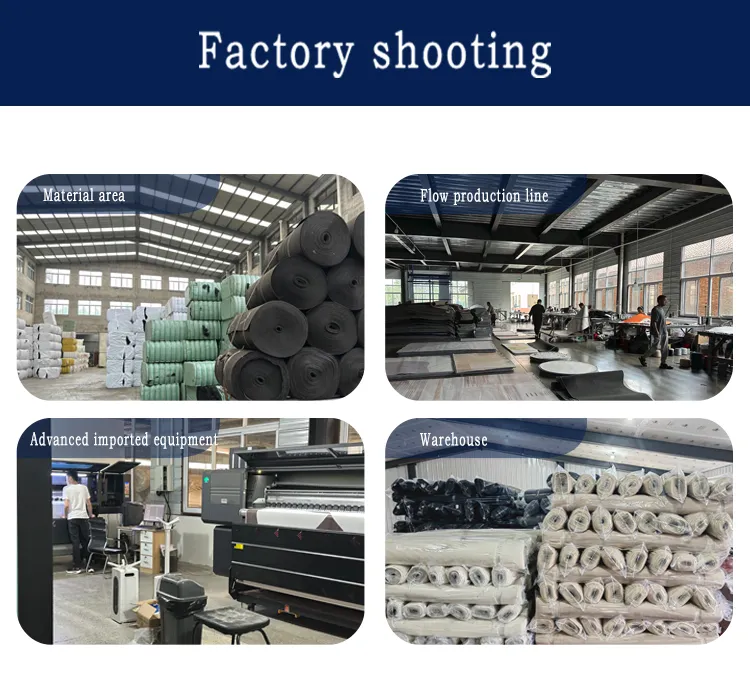
Faux rabbit fur rugs primarily utilize acrylic and polyester microfibers as the raw material. Acrylic fibers, derived from acrylonitrile, offer excellent bulkiness and a soft, wool-like feel, making them cost-effective for replicating fur textures. Polyester, a polymer formed through esterification, provides superior resilience, durability, and resistance to sunlight and abrasion. The choice between the two often depends on the desired price point and performance requirements. Manufacturing commences with polymer synthesis, followed by fiber extrusion, a process which controls fiber diameter and length – crucial factors influencing pile softness and density. The fibers undergo crimping to enhance bulk and create a more realistic fur-like texture. Fabric formation typically employs either knitting or weaving techniques. Knitting offers greater elasticity and softness, while weaving provides enhanced structural integrity. Post-fabrication, the material undergoes a shearing process to achieve the desired pile height and uniformity. Dyeing is usually performed using solution dyeing (adding pigment during fiber extrusion) or yarn dyeing, impacting colorfastness and washability. Finally, a backing material (often jute or polypropylene) is applied using adhesive bonding, and the rug edges are finished to prevent unraveling. Parameter control during extrusion (temperature, die pressure), knitting/weaving (tension, stitch density), and dyeing (temperature, pH, dye concentration) are critical for achieving consistent quality and performance.
Performance & Engineering
The performance of a faux rabbit fur rug is governed by several engineering principles. Force analysis, specifically compression testing, determines the pile resilience and recovery – how well the fibers bounce back after being compressed underfoot. Higher pile density and fiber crimp contribute to improved resilience. Environmental resistance is primarily focused on moisture management and UV stability. Polyester fibers demonstrate superior resistance to moisture absorption and UV degradation compared to acrylic. Colorfastness, assessed using standardized lightfastness tests, measures the rug’s resistance to fading under prolonged exposure to sunlight. Compliance requirements revolve around flammability standards (e.g., California Proposition 65 regarding flame retardants) and VOC emission levels (Volatile Organic Compounds) to ensure indoor air quality. Functional implementation necessitates careful consideration of the backing material's impact on slip resistance and overall rug stability. The weight of the rug and the quality of the adhesive bonding between the pile and the backing are critical for preventing delamination and ensuring long-term durability. Consideration must also be given to potential shedding, a common issue with faux fur rugs, and strategies to minimize fiber loss through appropriate fiber selection and yarn construction.
Technical Specifications
| Parameter | Unit | Typical Value (160x230 cm Rug) | Testing Standard |
|---|---|---|---|
| Pile Height | mm | 30-40 | GB/T 17590 |
| Fiber Density | g/m² | 800-1200 | ISO 307 |
| Fiber Composition | % | Polyester: 80-90, Acrylic: 10-20 | ASTM D7891 |
| Colorfastness to Light | Grade | 4-5 (Grey Scale) | ISO 105-B02 |
| Tensile Strength (Backing) | N/5cm | >200 | GB/T 1978 |
| Shedding Resistance | % Weight Loss | <5% (after 5000 cycles) | TAPPI T434 |
Failure Mode & Maintenance
Common failure modes for faux rabbit fur rugs include fiber shedding, matting (pile compression), delamination (separation of the pile from the backing), and discoloration. Fiber shedding is primarily attributed to insufficient fiber anchoring during yarn construction and wear and tear from foot traffic. Matting occurs due to the flattening of fibers under sustained pressure, reducing the rug’s plushness. Delamination is often caused by inadequate adhesive bonding strength or degradation of the adhesive over time, exacerbated by humidity and temperature fluctuations. Discoloration can result from UV exposure or staining. Oxidation of acrylic fibers can also contribute to yellowing. Maintenance practices to mitigate these failures include regular vacuuming (using a low-suction attachment to minimize fiber removal), spot cleaning with a mild detergent solution, and avoiding direct sunlight exposure. For delamination, professional re-bonding may be required. Periodically rotating the rug can distribute wear evenly, reducing localized matting. Avoid harsh chemicals or abrasive cleaning methods, as these can damage the fibers and accelerate degradation. Proper storage in a dry, well-ventilated area is essential to prevent mildew growth and adhesive breakdown.
Industry FAQ
Q: What is the primary difference between acrylic and polyester faux fur, and how does it impact cost and durability?
A: Polyester generally exhibits higher durability, better UV resistance, and a slightly more resilient pile compared to acrylic. However, acrylic is typically less expensive to produce, resulting in a lower price point for rugs utilizing predominantly acrylic fibers. The choice often represents a trade-off between cost and long-term performance.
Q: How can I minimize shedding with a faux rabbit fur rug?
A: Shedding is inherent to these types of rugs, particularly during the initial use. Regular, gentle vacuuming with a low-suction attachment is crucial. Avoid vigorous shaking or brushing. Higher-quality rugs with tightly constructed yarn and robust fiber anchoring will exhibit less shedding overall.
Q: What are the environmental concerns associated with faux fur rugs, particularly regarding microplastic release?
A: Polyester and acrylic fibers are synthetic polymers and can contribute to microplastic pollution during washing and wear. Using a rug pad can reduce abrasion and fiber loss. Consider rugs manufactured with recycled content and explore washing bags designed to capture microfibers during laundering.
Q: What flammability standards are typically applicable to faux fur rugs, and how are they addressed?
A: Regulations like California Proposition 65 dictate limits on flame retardant chemicals. Many manufacturers utilize inherently flame-resistant fibers or apply non-toxic flame retardant treatments to meet these standards. Always check the product label for compliance information.
Q: What is the recommended cleaning procedure for removing stains from a faux rabbit fur rug?
A: Spot clean immediately with a mild detergent solution (water and a small amount of dish soap). Avoid harsh chemicals or abrasive cleaners. Gently blot the stain, working from the outside in, and rinse with clean water. Allow the rug to air dry completely. For larger or stubborn stains, professional cleaning is recommended.
Conclusion
The faux rabbit fur rug, 160 x 230 cm, represents a sophisticated blend of material science, manufacturing engineering, and aesthetic design. Its performance is intrinsically linked to the properties of its constituent fibers – primarily acrylic and polyester – and the precision of the manufacturing processes employed. Understanding the nuances of pile construction, backing adhesion, and environmental resistance is crucial for selecting a rug that provides both comfort and longevity. The industry faces ongoing challenges in minimizing microplastic release and ensuring compliance with evolving safety standards.
Looking ahead, innovation in fiber technology will likely focus on developing more sustainable and durable synthetic materials. Further advancements in yarn construction techniques will aim to minimize shedding and enhance pile resilience. The integration of smart textile technologies, such as anti-static coatings and self-cleaning functionalities, may also emerge, further elevating the performance and consumer appeal of these popular floor coverings. Ultimately, a holistic assessment of material properties, manufacturing processes, and lifecycle impacts is essential for ensuring the long-term viability and responsible production of faux rabbit fur rugs.